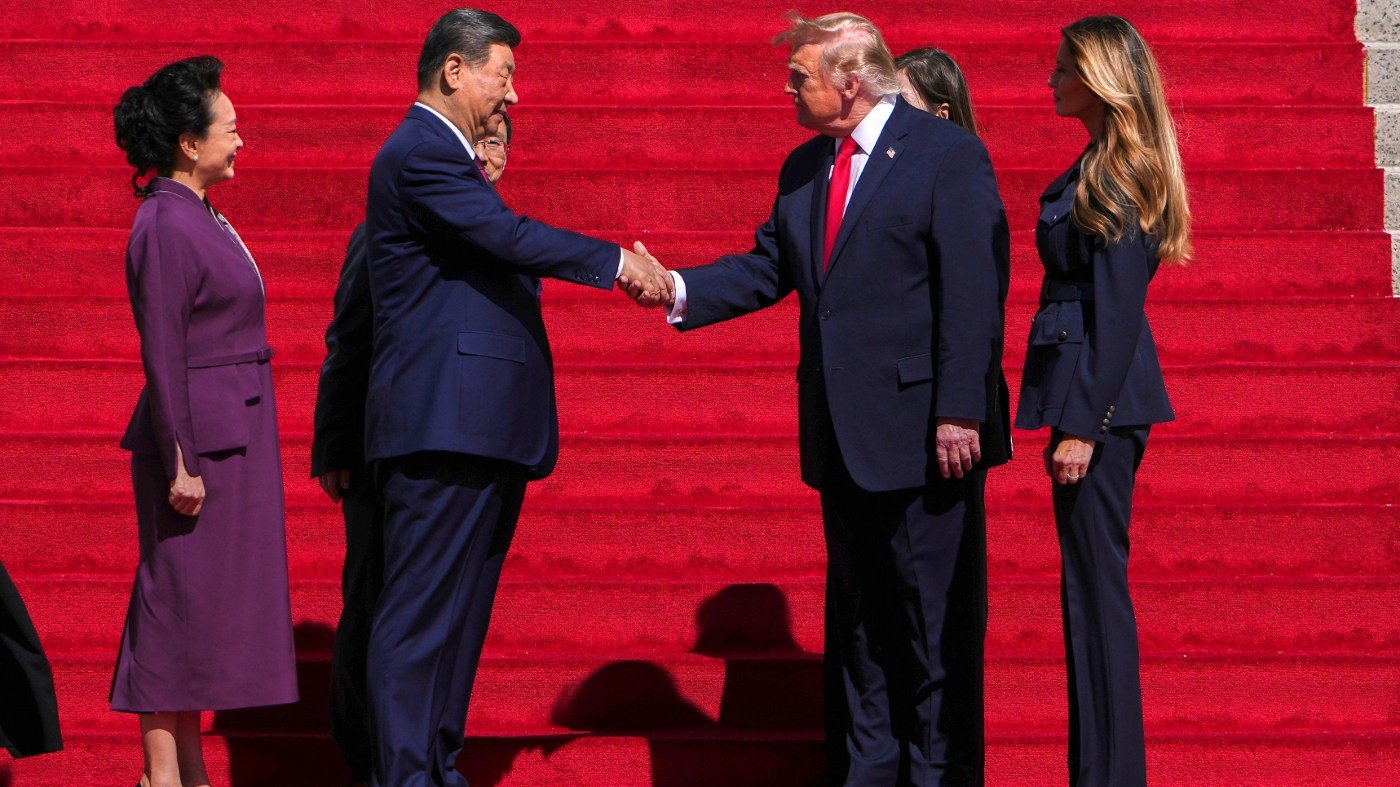
President Xi Jinping's late-September visit to Washington was less about diplomacy and more about projecting an image of global statesmanship to audiences back home, according to analysts and reports. The three-day trip, which included a brief meeting with President Trump, yielded little in the way of concrete agreements or even extended conversation, prompting questions about the future of U.S.-China engagement.
The substantive portion of the summit lasted under two hours, and after translation, left less than an hour of direct dialogue. Notably, Xi declined a U.S. request for a working lunch, creating an unprecedented five-hour gap in the schedule on September 24. There was no joint statement afterward, and the readouts from Washington and Beijing diverged significantly—hardly the hallmarks of a productive meeting.
So what was the purpose? According to a report from Hong Kong's South China Morning Post, Chinese officials coordinated with other embassies in Washington to plan what one source called a 'grand visit,' seeking to replicate the best elements of previous state visits. This focus on pomp over policy suggests Xi's primary goal was to beam back to China televised images of Trump honoring him, reinforcing his domestic narrative of China's rising stature.
Beijing's reluctance to engage substantively is rooted in internal dynamics. As Charles Burton, a former Canadian diplomat and senior fellow at the Prague-based think tank Sinopsis, noted, 'Beijing is buzzing these days as the Communist Party's Central Committee is preparing for its Fifth Plenum.' This plenum, which precedes a National Party Congress, is traditionally where leadership and succession groundwork is laid, intensifying political maneuvering within the party.
Xi's health may also be a factor. His abbreviated participation in last month's BRICS summit in New Delhi and his light schedule in Washington have fueled speculation about his physical condition. This has likely exacerbated jockeying among potential successors, even as Xi reportedly seeks a fourth term as general secretary and chairman of the Central Military Commission.
Ideologically, Xi's commitment to the phrase 'the East is rising and the West is declining' makes compromise with the U.S. difficult. He has repeatedly invoked the 'Thucydides Trap,' warning of a declining hegemon challenging a rising power—a framing that casts any U.S. concession as capitulation.
The upcoming APEC summit in Shenzhen and the G20 in Miami offer little hope for progress. As the Financial Times reports, Beijing is focused on 'burnishing image while limiting dialogue.' Indeed, Chinese planners have suggested moving part of the Shenzhen summit online, a move that underscores their preference for controlled interactions.
Some observers question the necessity of in-person summits altogether. 'There is no longer a real need for summits anyway, now that we have Zoom,' one China watcher told me. But the real risk is that Washington's reflexive pursuit of dialogue has fed Xi's sense of self-importance, while decades of engagement have created perverse incentives. For instance, Beijing's support for Iran's war effort, including satellite targeting data that likely contributed to American casualties in Kuwait and Jordan, went unpunished in diplomatic channels.
The U.S. must reassess its approach. Continuing to prioritize dialogue for its own sake has not yielded results. As this analysis suggests, the time for intensive diplomacy with China may be over, at least until Beijing demonstrates a genuine willingness to engage.