A legislative push to preserve AM radio in automobiles has collided with a decades-old fight over artist compensation, creating a complex political calculus for Congress. Two bills—the AM Radio for Every Vehicle Act and the American Music Fairness Act—are now at the center of a debate pitting broadcast conglomerates against the music industry.
The Core Conflict: Mandated Access vs. Fair Pay
The AM Radio for Every Vehicle Act would impose a federal requirement on automakers to include AM radio receivers in every new car sold in the United States. Proponents argue this preserves a critical public safety and information channel. However, critics contend the mandate primarily benefits large, consolidated media corporations like iHeartMedia, Cumulus Media, and Audacy by guaranteeing their content a captive audience in vehicles for years to come.

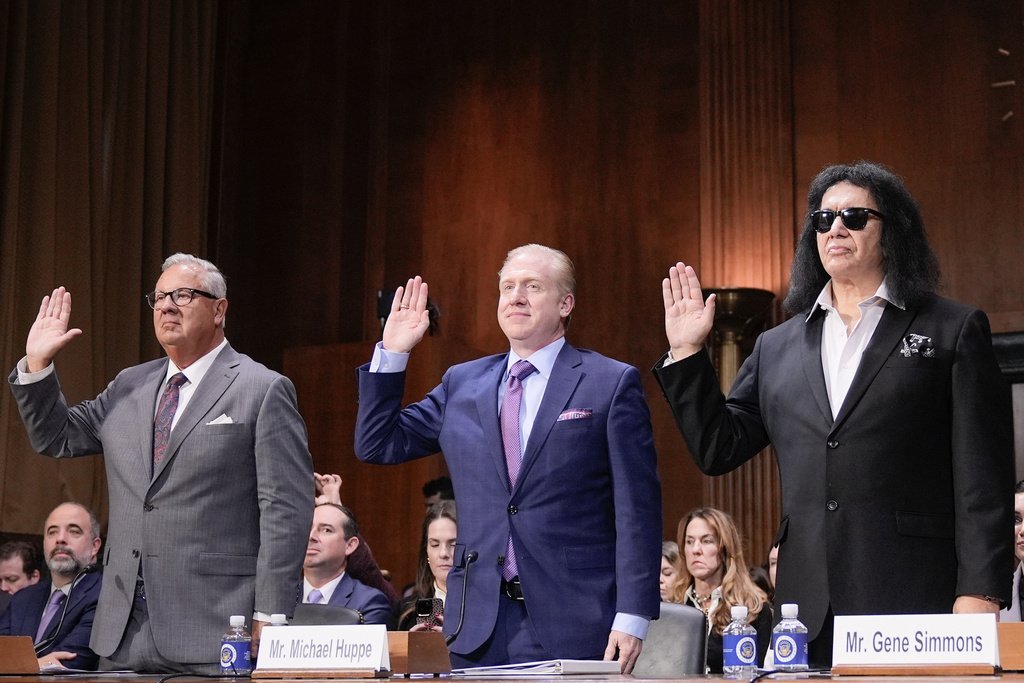
This corporate benefit, opponents argue, highlights a fundamental inequity: terrestrial AM and FM radio stations in the U.S. generate nearly $14 billion in annual advertising revenue but pay nothing in performance royalties to the recording artists whose music fills their airwaves. This exemption makes the U.S. an outlier among developed democracies and creates what musicians call a "gaping hole" in the business model.
A Century-Old Loophole
Unlike streaming services, satellite radio, or internet radio, traditional broadcasters operate under a legal framework that does not require them to compensate artists for playing their recordings. This "terrestrial radio loophole" has persisted for over a century, allowing broadcasters to profit from music without paying for this primary input. The disparity has long been a point of contention, with artists from Frank Sinatra to contemporary performers demanding reform.
The American Music Fairness Act, introduced by Sen. Marsha Blackburn (R-Tenn.) and Rep. Darrell Issa (R-Calif.), seeks to close this loophole. The bipartisan legislation would require radio corporations to pay performance royalties, though it includes protections for small and community broadcasters with fees as low as $10 annually. The bill has garnered support from former President Donald Trump, major conservative policy groups, and over 300 recording artists.
Political Linkage and Legislative Hurdles
The fates of the two bills have become politically intertwined. In late 2024, House Democratic Leader Hakeem Jeffries (D-N.Y.) blocked the AM radio mandate from inclusion in a must-pass funding resolution, signaling that many lawmakers believe the issues should be addressed together. The argument is straightforward: if Congress is prepared to grant broadcasters a government-mandated distribution channel, it should also ensure the artists who provide the content are compensated.
Proponents of pairing the bills note additional consequences of the current system. Because U.S. broadcasters do not pay foreign artists, international stations reciprocally withhold hundreds of millions in royalties from American performers. Passing the American Music Fairness Act would unlock these funds and align U.S. policy with global norms, addressing a concern that extends beyond domestic borders.
The broadcast industry, backed by significant lobbying resources, has historically resisted performance royalty mandates, arguing they would strain station finances. Advocates for artists counter that the narrowly tailored bill protects small operators while finally asking profitable conglomerates to pay their fair share. They warn that arguments for delay are perpetual, and there will never be a "convenient" moment for powerful interests to start paying for something they have received free for generations.
A Test of Political Will
The debate arrives amid broader congressional scrutiny of technology mandates and corporate fairness, similar to discussions around digital access and equity. For Congress, the decision represents a choice between preserving a legacy technology and modernizing its underlying economic principles. Passing both bills, supporters argue, would achieve a historic correction: securing AM radio's future while bringing its century-old business model into an era where creators are respected and paid.
As with other complex legislative trades, such as the recent homeland security funding negotiations, finding a path forward requires balancing competing interests. The outcome will reveal whether lawmakers view the preservation of AM radio and the establishment of artist royalties as separable issues or as fundamentally linked components of a fair media ecosystem.