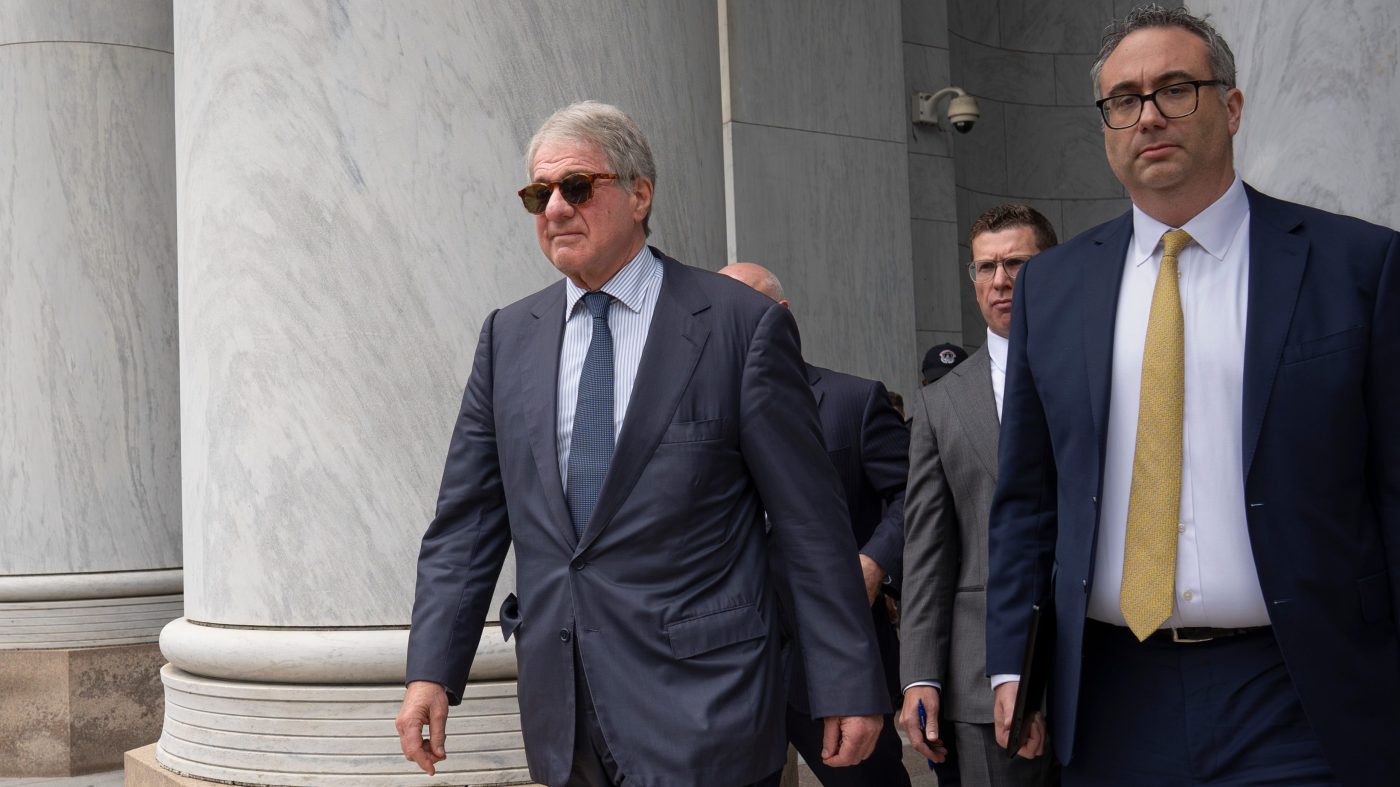
House Oversight Committee Chairman James Comer (R-Ky.) escalated his investigation into the late sex offender Jeffrey Epstein on Friday, issuing two subpoenas to billionaire investor Leon Black during a voluntary interview. Comer said Black declined to answer questions about nondisclosure agreements (NDAs) he had with women, which the panel believes are central to understanding Epstein's network.
“Answers about the terms and substance of these NDAs are critical to our investigation,” Comer said in a statement. “For this reason, today I issued subpoenas to Mr. Black for NDAs and to appear for a deposition in the near future. We owe it to the American people to provide transparency and ensure accountability for survivors.”
One subpoena compels Black to sit for a formal deposition before the committee on July 16. The other demands that he produce all NDAs tied to the probe. Comer told reporters after the interview that the committee is pressing for details on whether Epstein was directly involved in drafting or funding those agreements. “We want to know, was Jeffrey Epstein involved in the NDAs? Was he involved in writing? Was he involved in awarding funds to the women for the NDAs? What was the reason for the NDAs?” Comer said. “We want to know everything about the NDAs, so that’s very important to our investigation.”
The subpoenas mark a significant hardening of the committee’s stance. Black had voluntarily appeared for a transcribed interview, but his refusal to discuss the NDAs prompted Comer to issue compulsory process. The move reflects a broader push by House Republicans to scrutinize Epstein’s connections to powerful figures, even as divided government threatens to paralyze congressional oversight in other areas.
Black, a co-founder of the private equity firm Apollo Global Management, has faced scrutiny over his ties to Epstein for years. He has previously acknowledged payments to Epstein for tax and estate planning advice but denied knowledge of Epstein’s criminal activities. The NDAs in question involve women who may have been victims of or witnesses to Epstein’s trafficking ring, and the committee wants to know whether the agreements were used to shield Epstein’s enablers.
The investigation comes as lawmakers grapple with broader debates about wealth and accountability. While some Democrats have pushed for measures like a one-time billionaire wealth tax in California, the Epstein probe has drawn bipartisan interest in exposing how money can buy silence. Comer’s subpoenas signal that the committee intends to pursue the issue aggressively, regardless of political blowback.
Legal experts note that enforcing the subpoenas could lead to a court battle if Black resists. The committee has the power to hold him in contempt of Congress, but such actions often drag on for months. For now, Comer is betting that the threat of public exposure will force Black to comply. “We’re not going to let billionaires hide behind legal fees,” Comer said. “This is about justice, not politics.”
The next hearing is expected to focus on the role of financial intermediaries in Epstein’s operations, with lawmakers eyeing additional witnesses. The committee has not ruled out issuing more subpoenas to other wealthy individuals linked to Epstein.