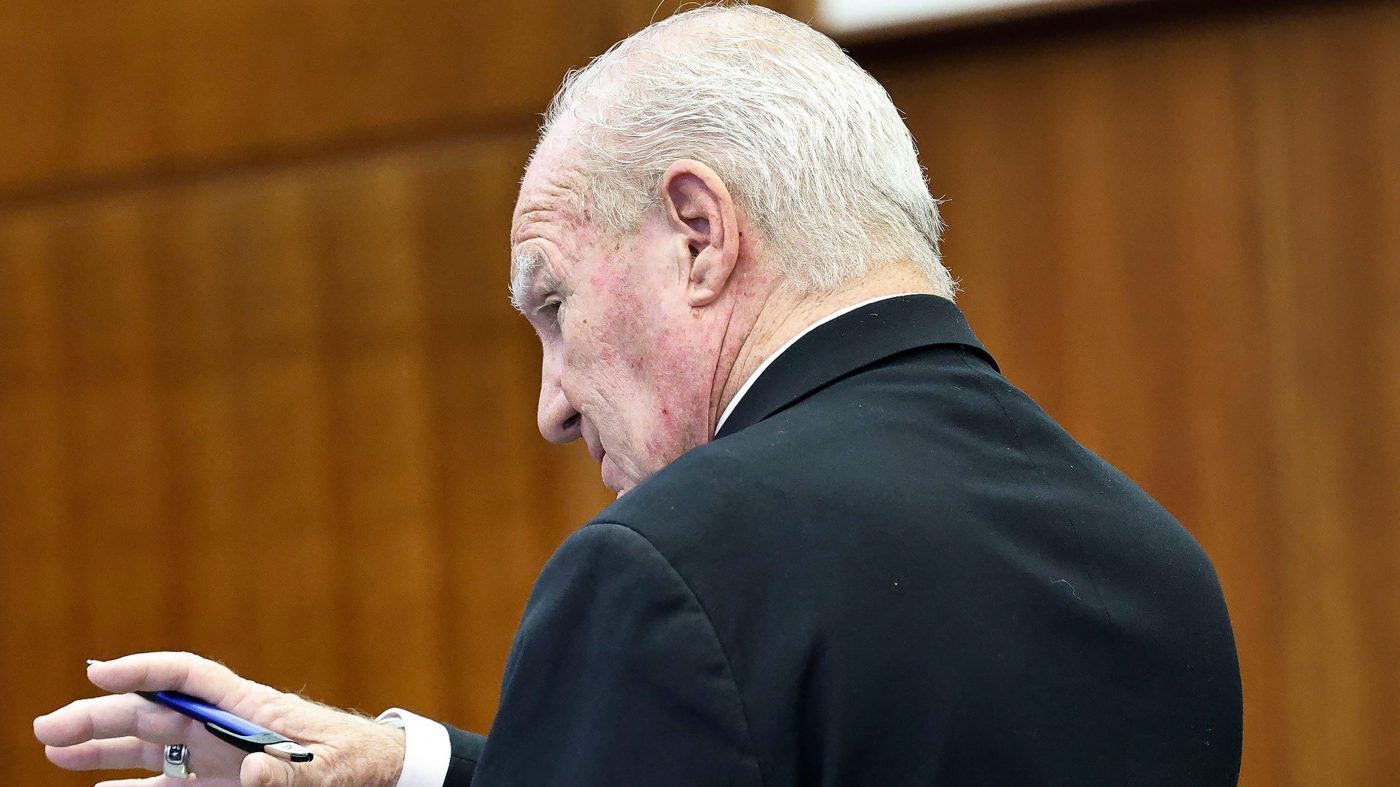
Defense attorney Kevin Reddington is moving to have the murder case against Lindsay Clancy thrown out, arguing that a retrial would violate constitutional protections against double jeopardy. The filing is expected ahead of a September 29 hearing where a judge will chart the next steps following the mistrial.
“I’m hoping that Judge Sullivan allows the termination of the case. This case is just a case that needs to be done,” Reddington told reporters, signaling his intent to press for dismissal.

Clancy faces murder charges in the deaths of her three young children. Prosecutors painted the killings as premeditated, while Reddington has maintained that his client was in the throes of postpartum psychosis and therefore not criminally responsible.
The trial ended with a deadlocked jury—nine women and three men. According to multiple accounts, 11 jurors favored an insanity acquittal, but a single holdout juror remained convinced of her guilt. That juror later told 60 Minutes that he never doubted her guilt, a revelation that has fueled public debate.
The district attorney has yet to announce whether he will seek a retrial. Reddington says he is open to negotiations, noting, “I would hope that he’d like to talk.”
The case has drawn intense national scrutiny, with conspiracy theories swirling online, including unsubstantiated claims about Clancy’s husband, Patrick Clancy. In a recent tearful interview, Patrick Clancy spoke about leaning on his deceased children for strength, a moment that resonated with many.
Reddington dismissed the 60 Minutes appearance as offering nothing new, saying the decision to participate was between Patrick Clancy and his own legal team.
Legal experts note that double jeopardy protections typically bar retrials after acquittals, but a mistrial due to a hung jury generally allows prosecutors to try again. Reddington’s motion may hinge on arguments of prosecutorial misconduct or other procedural issues, though no specifics have been filed publicly.
Meanwhile, the political fallout has been unusual. Florida Governor Ron DeSantis has offered asylum to the holdout juror, citing media scrutiny. That move has drawn criticism from legal scholars who see it as an improper intervention in a state case.
As the September hearing approaches, the defense is also weighing retrial strategy if dismissal fails, including the possibility of a sequestered jury to avoid external pressures. Reddington has not ruled out any avenue, but his immediate focus is on ending the case.
For now, the families of the victims and the public await the judge’s decision, which could set a precedent for how postpartum psychosis is treated in high-profile murder trials.