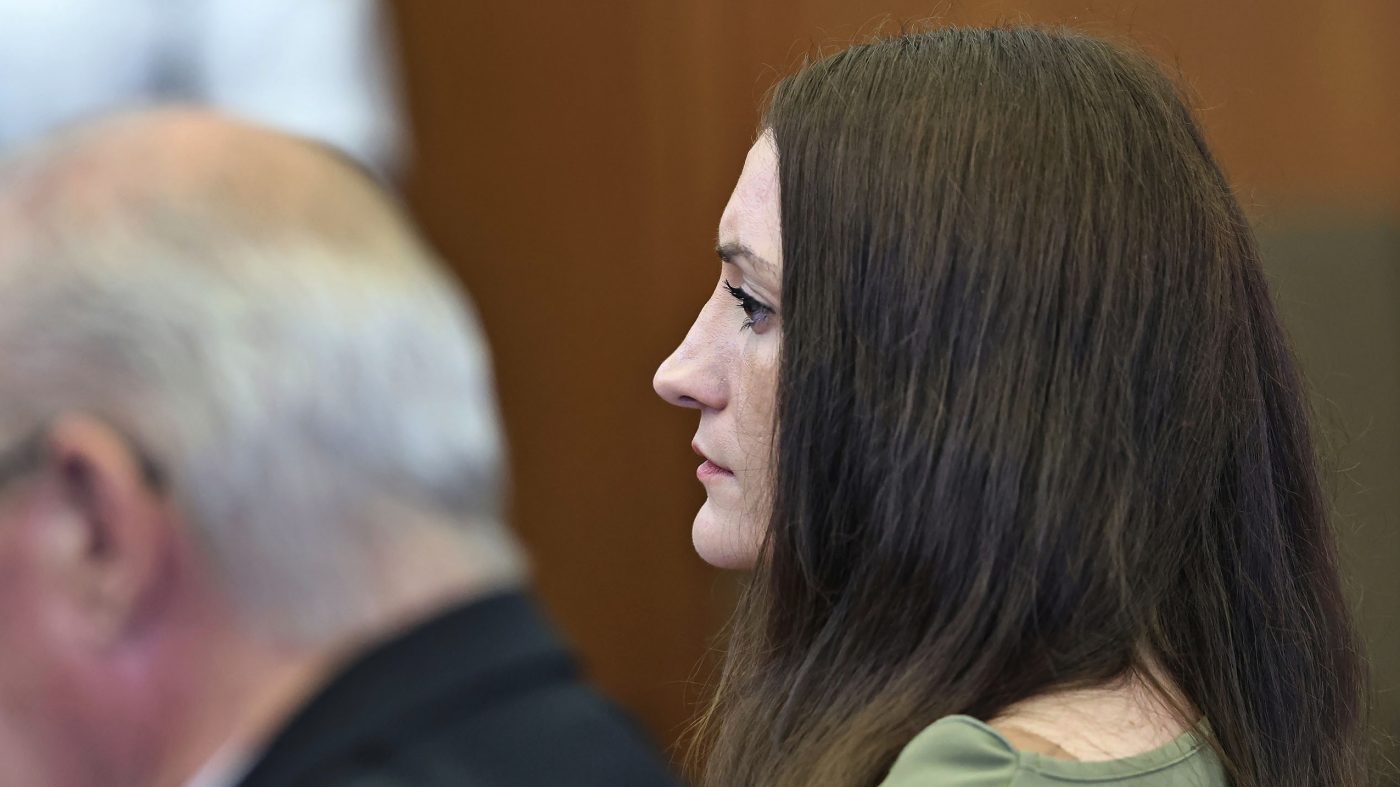
The defense team for Lindsay Clancy is already mapping out its approach for a possible second trial, following a mistrial that left the jury deadlocked 11-1 in favor of acquittal by reason of insanity. While prosecutors have yet to announce whether they will retry the case, Clancy's lawyer, Kevin Reddington, has signaled readiness, telling reporters, "she'll be ready, we'll be ready."
Reddington has also indicated he will file a motion to bar a retrial on double-jeopardy grounds, a legal maneuver that could halt proceedings entirely. If that motion fails, however, the case is likely to head back to court, with both sides refining their strategies based on the first trial's outcome.

Lessons from the First Trial
The initial trial centered on whether Clancy, who admitted to killing her three children, should be held criminally responsible or found not guilty due to postpartum psychosis. Throughout the proceedings, Clancy became visibly overwhelmed, prompting multiple pauses. On the day two medical examiners testified about the autopsies, she broke down, audibly saying, "I can't do this."
Legal experts say a retrial could be psychologically less daunting for Clancy, given that the majority of the first jury appeared to accept her defense. Randall Kessler, an adjunct professor at Emory Law School, suggested that Clancy's team should reassure her by pointing to the near-victory: "Look at what happened, look what you've already been through, what else can they say about you that hasn't been said?"
Kessler also advised that Clancy's defense should emphasize the broader implications of her case, particularly around mental health awareness and systemic gaps in healthcare. "Whatever you did, however you portrayed yourself, do the same thing," he said, referring to the strategy that nearly secured an insanity verdict.
Advantages in a Retrial
One key advantage for the defense in a second trial is familiarity with the prosecution's case. Having already seen the state's evidence and witness testimony, the defense can pinpoint weaknesses and exploit them more effectively. "Whatever they did that worked, they can do more of it," Kessler noted.
Critically, the burden of proof remains with prosecutors, meaning the defense only needs to raise reasonable doubt, not prove Clancy's innocence. This dynamic could shape how the defense approaches its case, focusing on undermining the prosecution's narrative rather than constructing an entirely new one.
Another pivotal factor will be jury selection. Kessler emphasized that in a retrial, the defense can more carefully vet potential jurors for their views on mental illness and criminal responsibility. "It's less important what the argument is than who the argument is being made to," he said, suggesting that a jury more receptive to psychiatric defenses could be decisive.
Reddington, who described Clancy as "like a daughter" to him, declined to elaborate on her current state, simply saying, "She's not good." The emotional toll of the proceedings has been evident, and a retrial would undoubtedly prolong the ordeal for all involved.
As the legal process unfolds, the possibility of a sequestered jury in a retrial has been floated, which could further isolate jurors from outside influences. Meanwhile, the case has sparked broader conversations about postpartum psychosis and the criminal justice system's handling of mental health defenses, with some advocates calling for reforms.
The decision on whether to pursue a second trial now rests with prosecutors, who must weigh the costs and the likelihood of securing a conviction. For Clancy's defense, the path forward is clear: refine the approach that nearly worked, and hope that a new jury sees the case through the same lens.