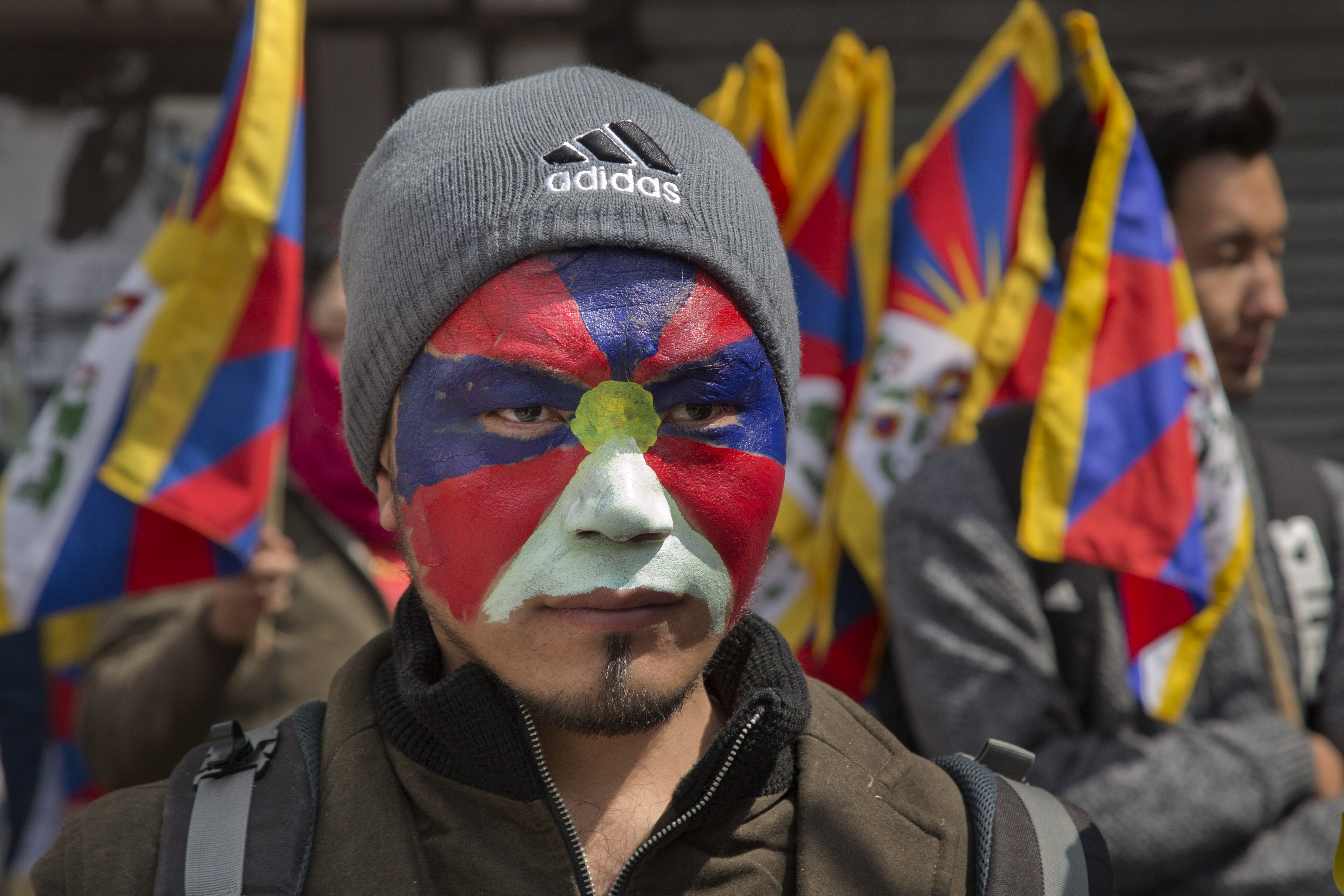
While the world has focused on China's mass internment of Uyghurs in Xinjiang, a quieter but equally consequential campaign is playing out on the Tibetan Plateau. Beijing is not just policing dissent or curbing religious practice; it is attempting something far more permanent: the systematic erasure of Tibetan culture, language, and identity by targeting its children.
Over the past decade, China has forcibly placed more than one million Tibetan children—nearly four out of every five—into state-run, Mandarin-language boarding schools. Many are taken from their families at age four or five and kept away for most of the year. These institutions are presented as instruments of development, but in reality, they function as tools of forced assimilation, designed to sever children from their language, faith, and cultural inheritance.
Forced Assimilation as Geopolitical Strategy
This is not simply a human-rights scandal; it is a geopolitical project with far-reaching implications for Asia's future balance of power. By eroding Tibetan identity, Beijing aims to consolidate control over a region that sits at the strategic crossroads of South and Central Asia. The campaign echoes efforts in Xinjiang, where similar boarding school policies have drawn international condemnation, but the scale in Tibet is staggering.
Children as young as four are separated from their parents for up to ten months a year. They are taught in Mandarin, with Tibetan language and history marginalized or omitted. Religious practices, including Buddhism, are suppressed, and traditional cultural expressions are replaced with state-approved narratives. The goal, critics say, is to create a generation that identifies as Chinese, not Tibetan.
Domestic and International Implications
The policy has drawn sharp criticism from human rights groups and some Western governments, but Beijing has dismissed such concerns as interference in its internal affairs. The United States and its allies have imposed sanctions on Chinese officials over Xinjiang, but similar measures for Tibet have been slower to materialize. Meanwhile, China's growing economic and strategic ties with countries like Russia and Brazil complicate efforts to hold Beijing accountable. As Putin's war in Ukraine deepens Russia's economic and strategic subordination to China, Moscow is unlikely to join any pressure campaign.
In the United States, the issue has become a political flashpoint. Republicans have increasingly pointed to China's human rights abuses as evidence of a broader threat, even as GOP leaders finger China in the growing backlash over data centers. The Biden administration has maintained sanctions on Chinese officials but has not designated Tibet's boarding school program as genocide, a step some activists demand.
Resistance and Resilience
Despite the pressure, Tibetan communities have found ways to resist. Underground schools teaching Tibetan language and culture have emerged, and exiled Tibetan leaders have called for international solidarity. However, with four out of five children in state-run schools, the cultural transmission is under existential threat. The campaign is designed to be irreversible: once a generation loses its language and traditions, they cannot be easily reclaimed.
The geopolitical stakes are high. A Tibet fully integrated into China's ethnic Han identity would remove a long-standing source of tension along the Indian border and strengthen Beijing's hand in regional disputes. As Taiwan's envoy insists the island must arm itself amid the China threat, the parallels are clear: Beijing's approach to ethnic minorities is part of a broader strategy to assert dominance over all its claimed territories.
For now, the world watches as China quietly, permanently attempts to erase Tibet. Whether the international community will treat this with the same urgency as Xinjiang remains an open question.