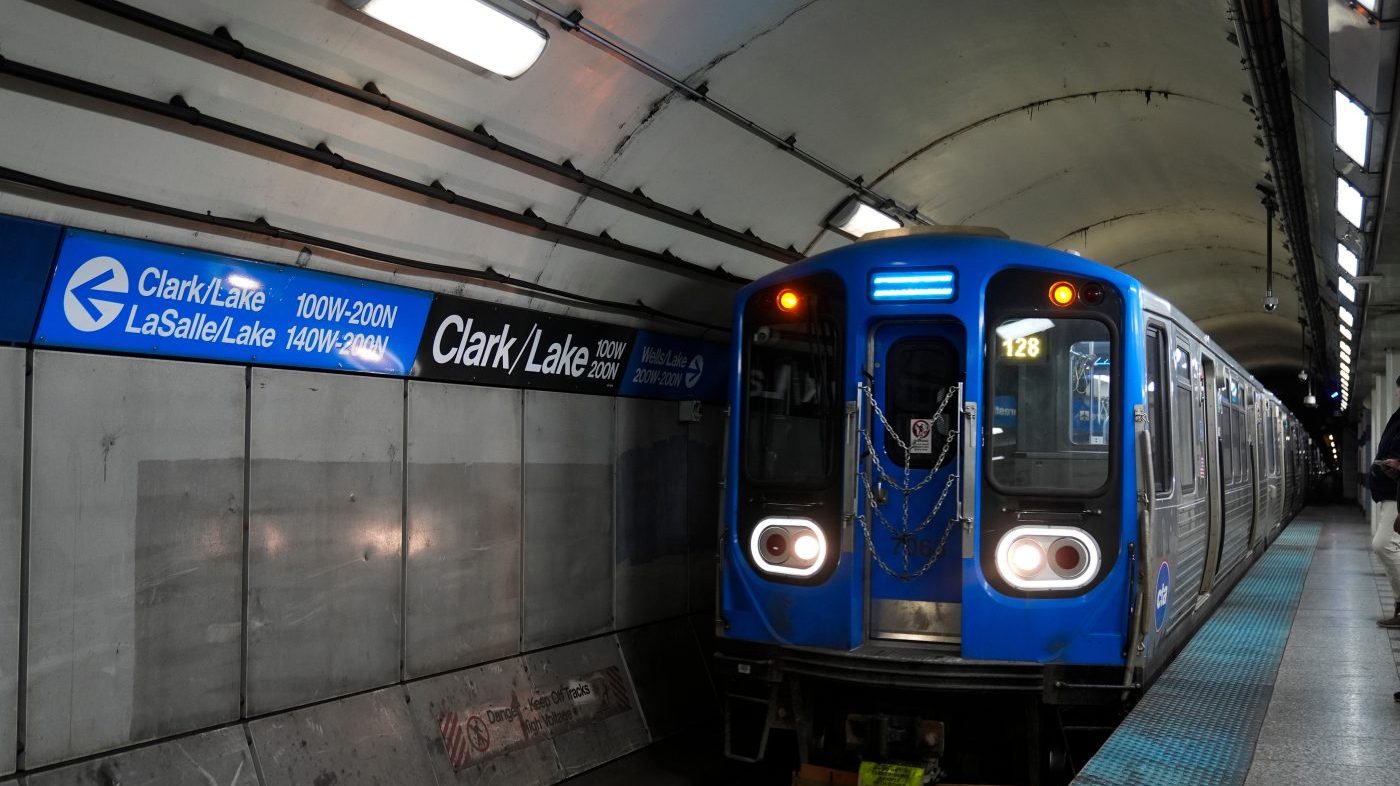
The Chicago Transit Authority filed a federal lawsuit on Friday against the Trump administration, alleging the White House illegally froze $2.1 billion in previously approved infrastructure grants. The legal action centers on funds earmarked for major expansions of Chicago's Red and Purple rail lines, projects the transit agency says are now at risk of stalling completely.
Allegations of Political Retaliation
In a 51-page complaint filed in the U.S. District Court for the Northern District of Illinois, CTA attorneys argue the funding suspension amounts to unlawful political retaliation. The agency contends the Trump administration paused the grants to punish Democratic lawmakers during the October government shutdown, a move orchestrated by Office of Management and Budget Director Russell Vought.

"Defendants' unlawful actions cause CTA irreparable harm in spades," states the legal filing. "With federal funding frozen, and notwithstanding the extraordinary measures CTA has taken over the last several months to carry on the RPM and RLE Projects, work on CTA's crucial infrastructure projects is set to grind to a halt unless this Court provides relief."
Contradictory Compliance Claims
The administration justified the freeze by claiming the CTA failed to meet new federal standards concerning diversity, equity, and inclusion initiatives in contracting. However, the transit authority's lawsuit presents a starkly different narrative, asserting the projects were already operating under federal requirements to benefit "socially and economically disadvantaged" businesses, including those owned by women and racial minorities.
CTA maintains it remains in full compliance with all current regulations. The lawsuit suggests the administration's stated rationale masks a politically motivated decision, noting the timing coincided precisely with budgetary confrontations between the White House and congressional Democrats. This pattern of using federal funding as leverage echoes broader administration tactics in legislative negotiations.
Project Status and Local Impact
The affected projects represent one of the largest transit modernization efforts in Chicago's history. Work began in 2019 and has already delivered four new stations that opened to the public last summer. The Red-Purple Modernization program aims to rebuild century-old infrastructure, increase capacity, and improve service reliability for hundreds of thousands of daily riders.
Acting CTA President Nora Leerhsen emphasized the agency's determination in a public statement. "I am fully committed to the success of these projects, and we will take every step necessary to ensure that they move forward," Leerhsen said. The freeze threatens not only construction timelines but also thousands of local construction jobs and long-term economic benefits for the region.
Administration's Defense
The Department of Transportation, named as a defendant alongside the Federal Transit Administration, defended the funding pause in a statement to media. A DOT spokesperson argued the administration "will fight to ensure federal dollars do not go towards discriminatory, illegal, and wasteful contracting practices."
"The American people don't care what race or gender construction workers, pipefitters, or electricians are," the spokesperson continued. "They just want these important projects built quickly and efficiently." This stance reflects the administration's broader skepticism toward equity-focused policies, a position that has manifested in other areas including energy and environmental regulation.
Broader Political Context
The lawsuit emerges amid ongoing tensions between the Trump administration and Democratic-led cities over federal funding and policy priorities. Infrastructure investment has repeatedly become entangled in broader political conflicts, with the administration leveraging grants to advance policy objectives unrelated to transportation.
Legal experts suggest this case could establish important precedents regarding the executive branch's authority to withhold congressionally appropriated funds. The outcome may influence how future administrations approach infrastructure politics, particularly as debates continue over major investment packages. The administration's approach to leveraging federal power extends beyond domestic policy, visible in its handling of international crises and negotiations.
The court is expected to rule quickly on the CTA's request for emergency relief, given the immediate threat to ongoing construction. The case highlights how infrastructure—once a rare area of bipartisan agreement—has become another front in the nation's deepening political divisions.