The family of slain conservative activist Charlie Kirk expressed deep frustration Monday after a Utah judge scheduled the murder trial of his accused killer for June 2028, nearly three years after Kirk's death.
Judge Tony Graf of Utah's Fourth District Court set jury selection for June 21, 2028, and reserved 105 days for the trial in Provo, Utah. Tyler Robinson, 23, faces charges of aggravated murder and felony use of a firearm in connection with the fatal shooting of Kirk at a Turning Point USA event at Utah Valley University. Robinson has pleaded not guilty and could face the death penalty if convicted.
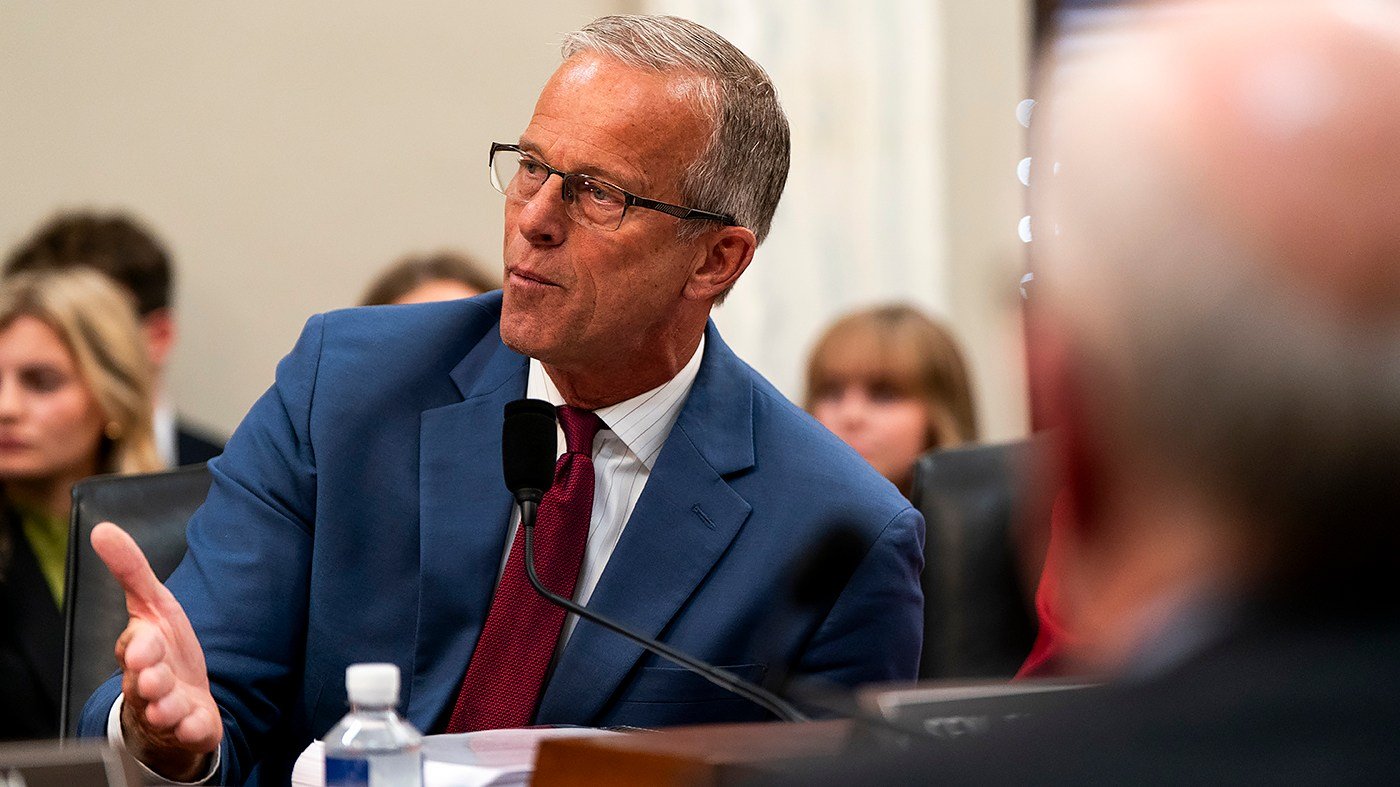
In a statement shared by Kirk's widow, Erika Kirk, the family called the delay "deeply disappointing," adding that "every additional day without justice prolongs our family's pain and forces us to wait even longer for accountability." The statement also thanked supporters for their "love, prayers, and support."
Robinson's defense attorneys had pushed for a trial date in 2029, arguing they needed more time to prepare. Prosecutors proposed starting in January 2028. Kirk's widow had urged the court not to delay the proceedings, speaking at an October hearing.
Judge Graf said his decision balanced the constitutional rights of both Robinson and Kirk's widow, noting that the schedule was intended to ensure "that the Sixth Amendment right is protected" and that "each party is treated with the dignity and respect they are due."
The case has drawn national attention, partly because of Kirk's prominence in conservative circles and the political nature of the event where the shooting occurred. The delay adds to the emotional toll on the family, who have been waiting for accountability since Kirk's death.
Legal experts say such lengthy delays are not uncommon in capital cases, where defense teams often need extensive time for investigation and preparation. However, the family's criticism highlights the human cost of a stretched judicial process.
As the case moves forward, the Kirk family continues to grieve publicly while awaiting a trial that remains more than two years away. The new date also raises questions about the broader implications for political violence and its aftermath in the current climate.