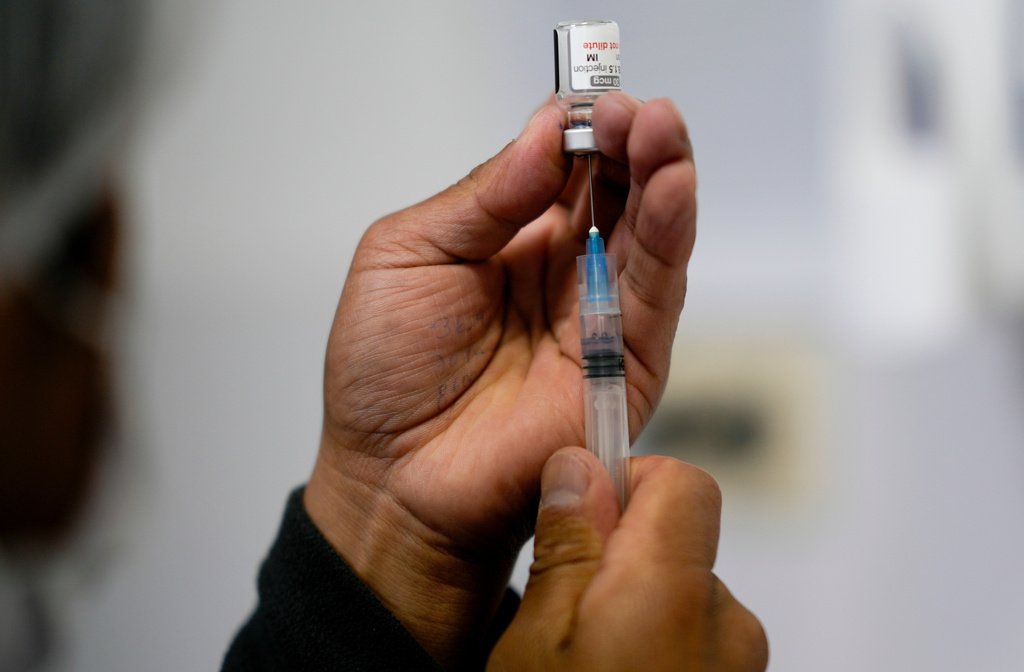
In a move that could fracture a key part of the Republican coalition, the Centers for Disease Control and Prevention awarded Pfizer contracts worth approximately $1.24 billion on June 1 for COVID-19 vaccines covering fiscal 2026 and 2027. The deal includes hundreds of millions for pediatric doses and additional funding for adults, even as vaccine uptake plummets and trust in the product erodes.
The timing and scale of the contract raise urgent questions: What demand projections justified such a massive taxpayer commitment? Why lock in over a billion dollars for a product that only 9% of children and 17% of adults are currently receiving? According to spring 2026 data, just 3% of parents plan to vaccinate their children against COVID-19.
For the millions of voters who backed President Trump in 2024 as part of the Make America Healthy Again movement, this deal feels like a betrayal. These voters—parents of vaccine-injured children, chronic disease families, and medical freedom advocates—were promised a reckoning with Big Pharma and a restoration of personal health decisions. Instead, they see Washington funneling billions to Pfizer while the reform agenda stalls.
The contract proceeded despite the unresolved legal status of the Advisory Committee on Immunization Practices. A court stayed the appointments made by Secretary Robert Kennedy, and the administration failed to appeal for six weeks, leaving the panel in limbo. That means over a billion dollars was committed through a broken legitimizing process—a detail that MAHA voters won't miss.
A October 2025 MAHA Action survey by Trump pollster Tony Fabrizio—never publicly released but later unearthed by the Daily Caller—found deep voter concern: 73% were worried about childhood vaccine mandates, 90% about Big Pharma's corrupting influence, and only 18% viewed pharmaceutical companies favorably. Instead of acting on that data, the White House cited narrower polls that framed questions around established vaccine policies, driving support down to 22% and effectively blurring opposition.
This pivot toward safer issues like food dyes and seed oils has only deepened suspicion. As one analyst put it, MAHA voters are not naive; they see the billion-dollar contract as confirmation that the system remains captured.
Kennedy’s endorsement of Trump in 2024 brought millions of health-freedom voters into the GOP—a historic realignment. But many now feel that promise is broken. Trusted physicians like Harvey Risch, Ryan Cole, and Pierre Kory remain outside HHS. COVID vaccines stay on the childhood immunization schedule. And Pfizer gets another massive check.
With a narrow Republican House majority, the stakes are high. Many competitive districts—especially suburban and exurban seats—are home to MAHA voters who are educated, economically anxious, and skeptical of institutional medicine. A recent KFF poll found that 56% of MAHA-supporting voters say health care costs will heavily influence their November vote, and 40% say the same about vaccine policy. Depressing turnout or driving them toward third-party alternatives could shift control of Congress.
The lesson is structural: MAHA voters’ concerns about pharmaceutical influence, vaccine mandates, and medical freedom cross party lines. Tying health freedom to any one party is a failed strategy. Republicans benefited from the MAHA coalition in 2024, but if they govern as if that coalition is expendable, they shouldn't be surprised when those voters look elsewhere.