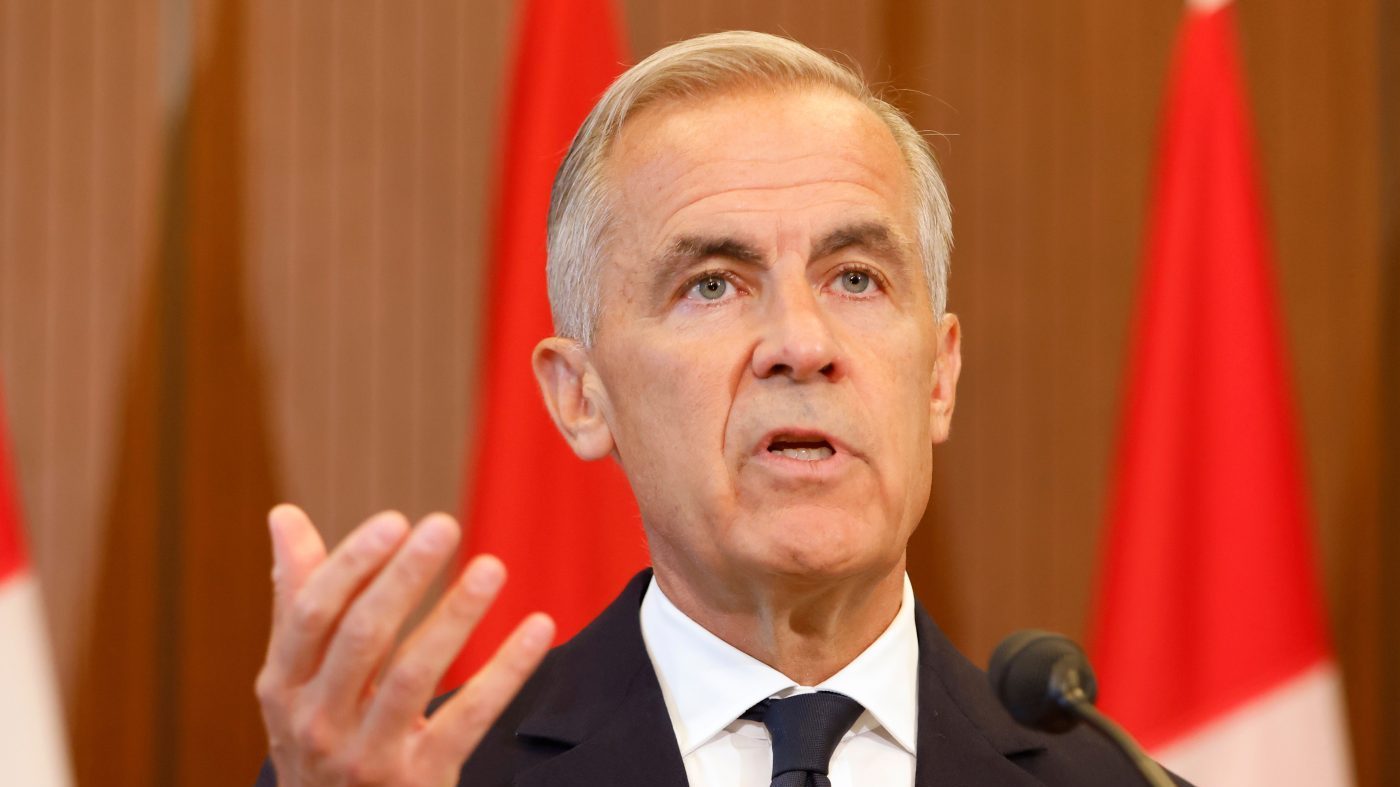
Canadian Prime Minister Mark Carney on Thursday pushed back against President Trump's executive order renaming Lake Ontario to "Lake America," grounding his objection in the lake's Indigenous history and its 400-year-old moniker.
In a post on X, Carney noted that the name "Ontario" derives from the Wendat word Ontari'io, which he translated as "the lake is beautiful, the lake is big." He stressed that the name has been in continuous use for over four centuries, well before the Canadian Confederation was formed or the U.S. Declaration of Independence was signed.

"We know that America is changing. Their trading relationships, their foreign policies, their national monuments, their hydronyms," Carney wrote. "Canadians also know that naming reality means calling it Lake Ontario – then, now and always."
Ontario Premier Doug Ford echoed Carney's stance, declaring on social media that the body of water shared by New York and his province "will always be Lake Ontario in Canada." He added, "It's Lake Ontario to Canadians and the rest of the world. Now and forever."
Trump signed the executive order on Thursday, formally adopting the new name for federal purposes, though the change carries no authority beyond U.S. borders. This marks the second such renaming by the president, following his first-day order to call the Gulf of Mexico the "Gulf of America." The move comes amid an escalating trade war between the two nations.
The president's action is part of a broader pattern of unilateral gestures that have inflamed tensions. Earlier this week, Trump had floated the idea of renaming the lake, and he has since followed through despite criticism from both sides of the border.
Trade relations remain fraught. Trump has imposed a 50 percent tariff on $20 billion worth of Canadian imports, and he has separately threatened additional duties on automotive imports and steel starting Jan. 1, 2027. Canada has responded with retaliatory tariffs set to take effect Sept. 8, with Carney pledging to match Trump's levies "dollar for dollar." However, seafood was later exempted from the looming taxes, a move that some see as a potential opening for fresh negotiations.
The renaming order has drawn mockery from U.S. politicians as well. Wisconsin politicians have mocked the decision, and critics have called the tariff war "irrational." Meanwhile, the dispute has broader implications: Ontario's electricity exports to the U.S. have become a lever in the trade conflict, threatening to raise American power prices.
Carney's firm stance signals that the naming dispute is unlikely to be resolved quietly, as the two leaders continue to clash over trade and symbolism.