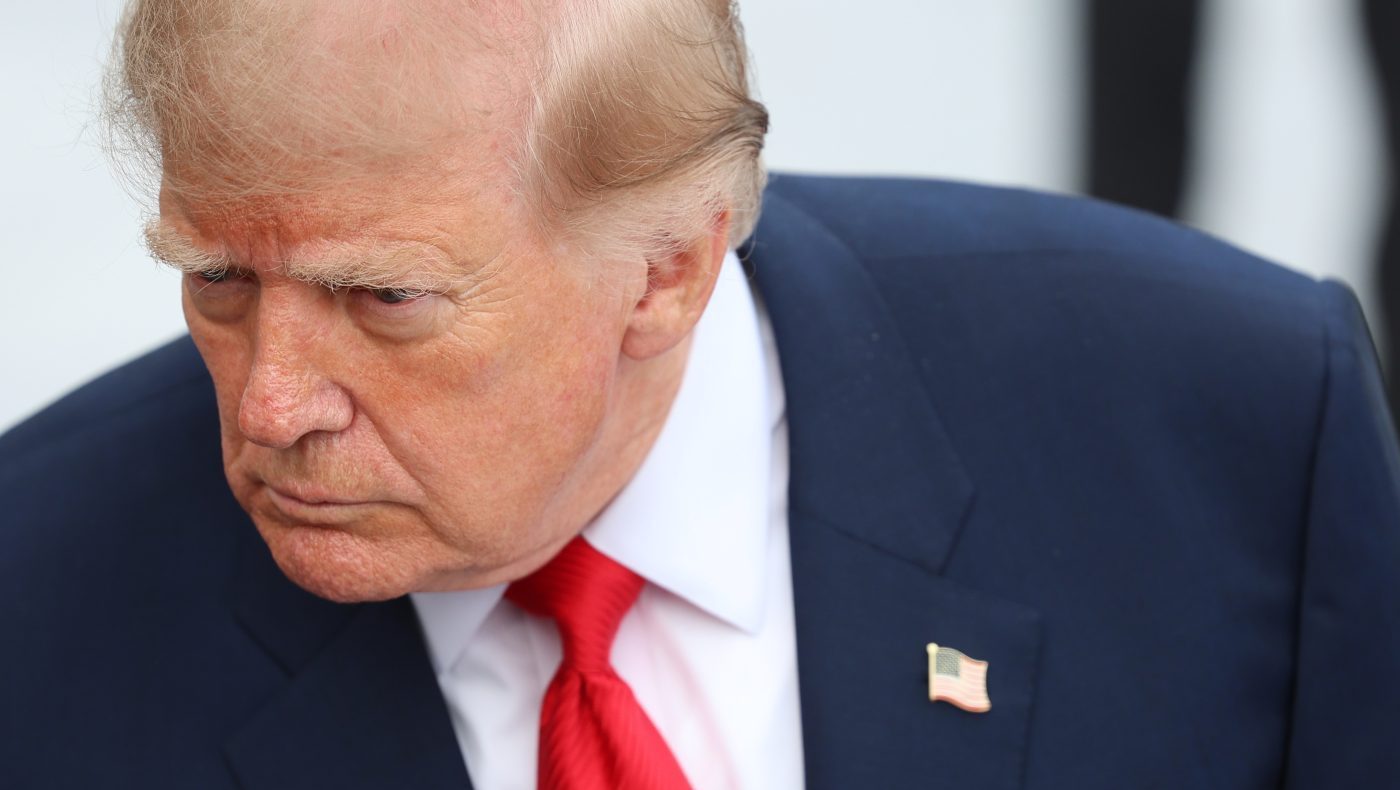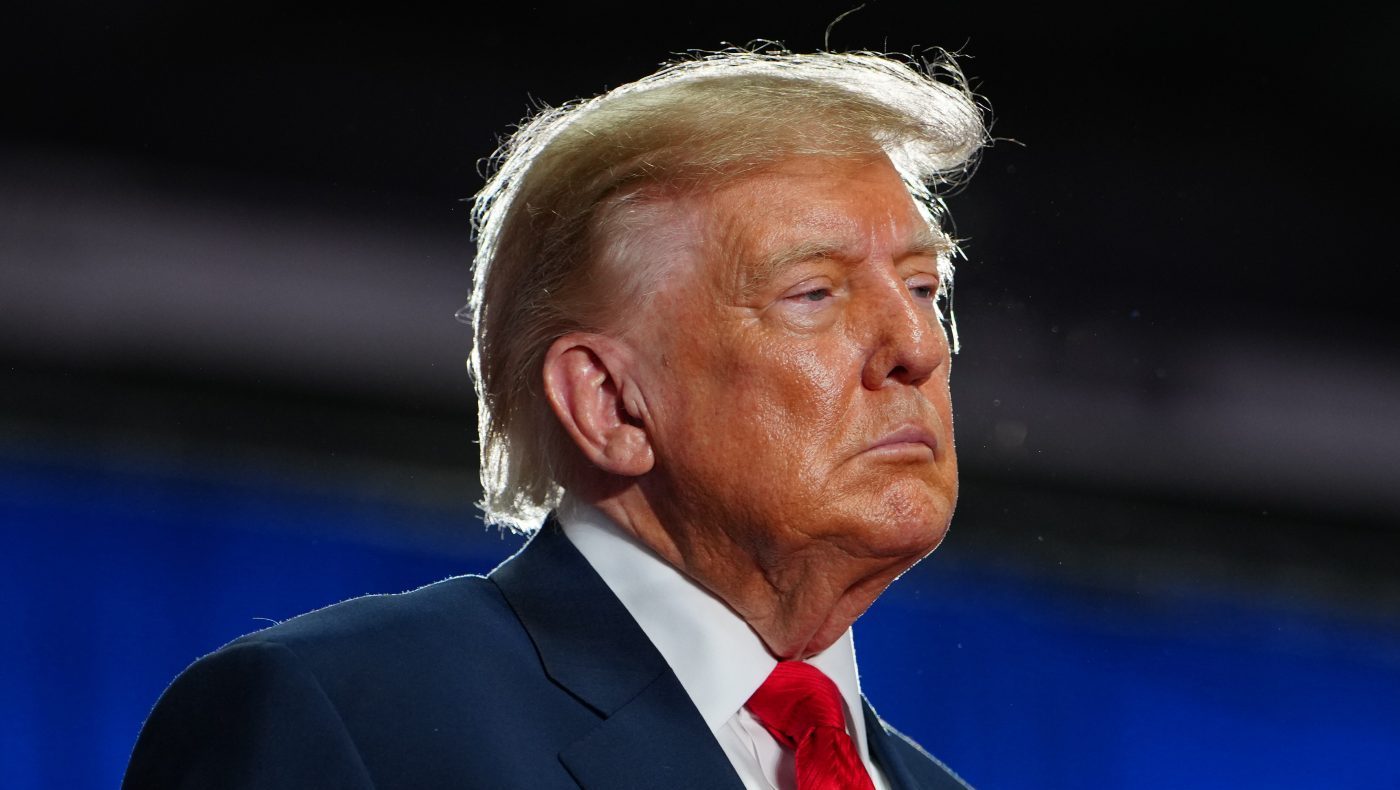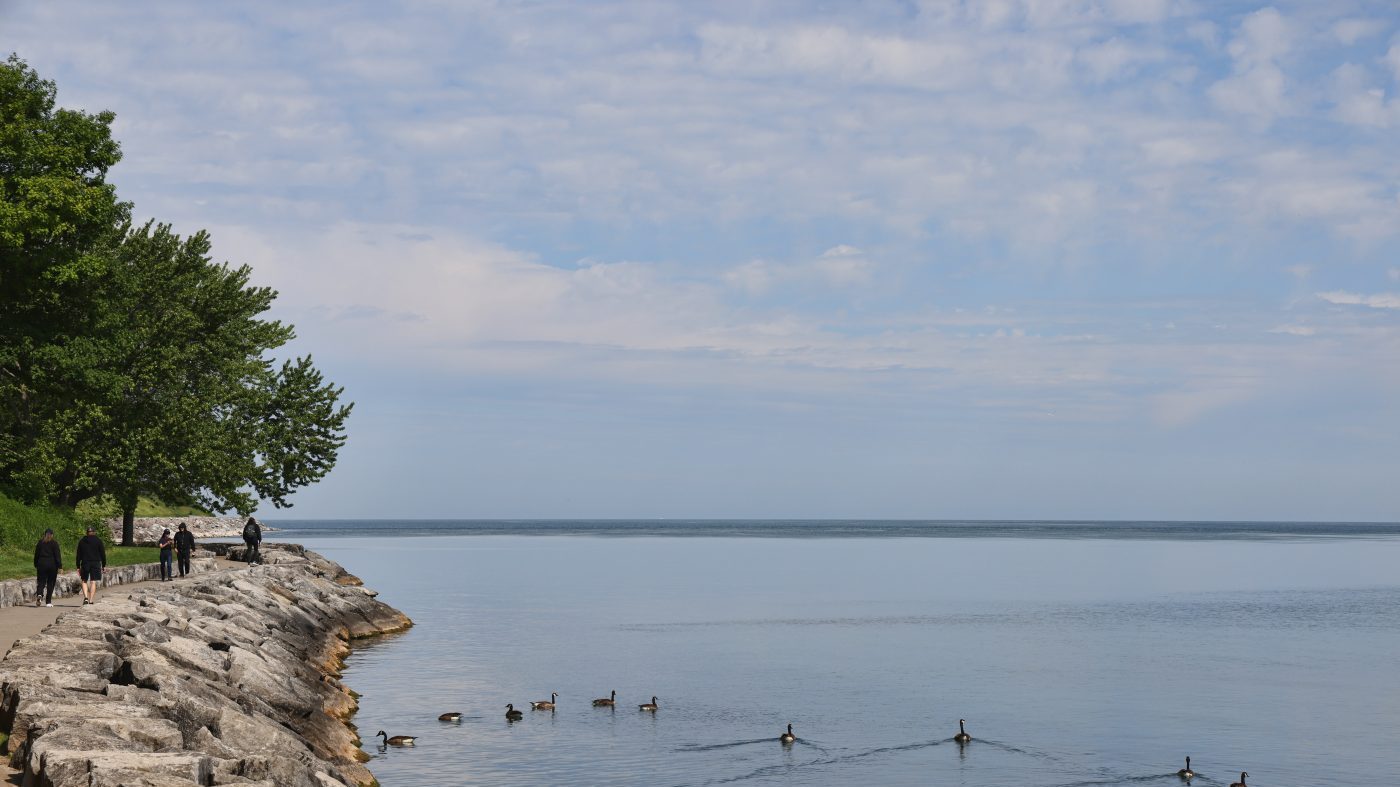
President Donald Trump has floated renaming Lake Ontario to “Lake America,” a move that would extend his pattern of using geographic nomenclature to project political strength amid international friction. The suggestion, made as trade tensions with Canada escalate, follows his executive order on the first day of his second term that rechristened the Gulf of Mexico as the “Gulf of America.”
The president’s remarks have put a spotlight on the obscure but powerful U.S. Board on Geographic Names (BGN), the federal body responsible for standardizing place names. Created in 1890 and formally established in its current form in 1947, the BGN ensures that all federal agencies use consistent names for geographic features, a necessity for surveyors, mapmakers, and scientists who rely on uniform terminology.
The board’s origins trace back to the late 19th century, when rapid westward expansion and mining booms created a chaotic patchwork of conflicting names for mountains, rivers, and valleys. That inconsistency hampered everything from land surveys to scientific research, prompting the federal government to create a centralized authority. Over time, the BGN’s mandate expanded to include foreign place names, standardizing how U.S. officials refer to international locations.
Renaming a geographic feature is not a simple proclamation. The BGN follows a bureaucratic process that includes detailed proposals, public comment periods, and interagency review. In the case of the Gulf of America, the board acted on the president’s executive order, initiating a formal name change and beginning the lengthy task of updating federal maps, databases, and documents.
However, U.S. designations do not automatically carry weight internationally. The Gulf of Mexico remains the standard name in most of the world, even as U.S. government materials now use “Gulf of America.” Similarly, the United States still officially refers to Burma, a name the country’s military government changed to Myanmar in 1989—a change Washington has not recognized.
Geographic naming has long been a tool of political leverage. The South China Sea, for instance, is called the Eastern Sea by Vietnam and the West Philippine Sea by the Philippines, reflecting competing territorial claims. In the Middle East, the Persian Gulf is referred to as the Arabian Gulf by many Arab states, underscoring regional rivalries.
Whether Trump will formally pursue the Lake Ontario renaming remains uncertain. The proposal would likely face diplomatic backlash from Canada, which shares the lake and has its own naming authority. It would also test the limits of the BGN’s authority, as the board typically handles domestic names but has occasionally weighed in on cross-border features.
Trump’s interest in renaming bodies of water is part of a broader pattern of using nationalist symbolism in his foreign policy. His escalating feud with Canada over trade has already led to retaliatory tariffs, and a naming dispute would add another layer of tension to the relationship. The president has also shown a willingness to use executive power to reshape federal agencies, as seen in his debt ceiling gambit and other controversial moves.
For now, the BGN continues its work, processing name changes and maintaining a registry that reflects both historical usage and current political realities. As the Trump administration pushes for more unilateral actions, the board may find itself at the center of future naming battles, both at home and abroad.