President Trump marked Second Chance Month by reaffirming his commitment to redemption and safer communities, a message that resonates deeply with families counting down to a loved one’s release. For those who have lived through that wait, the sentiment is personal—but as one former inmate’s family member noted, action is what matters.
That action is unfolding at the Bureau of Prisons under director Bill Marshall, a 25-year law enforcement veteran tapped by Trump last year. In just over a year, Marshall has launched a three-pronged turnaround: new leadership, long-overdue infrastructure repairs, and reentry programs centered on public safety.
Leadership Overhaul
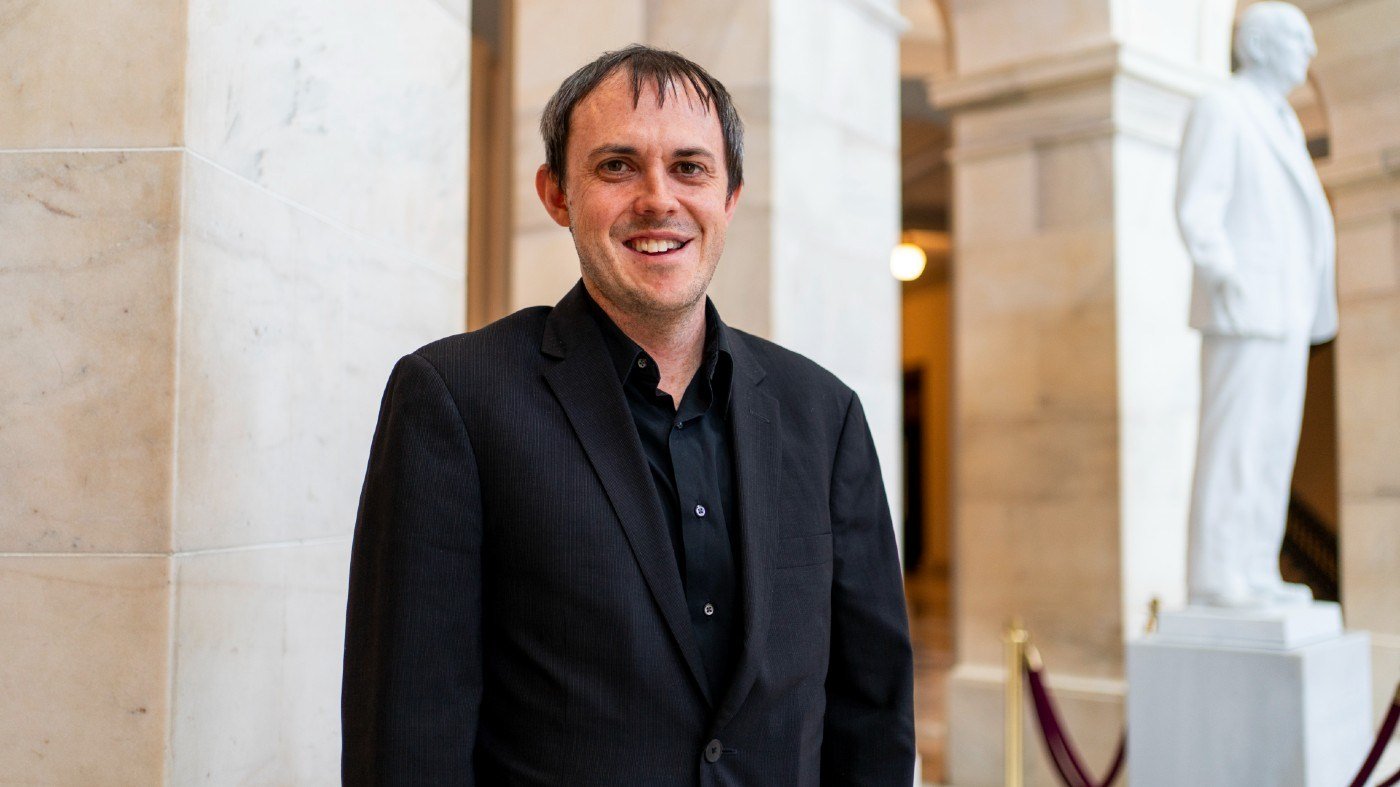
Marshall appointed Josh Smith, a former inmate, as deputy director—putting someone with firsthand experience at the helm. Together, they toured facilities nationwide, meeting with staff and inmates to identify failures. During one visit, Marshall confronted a warden over expired food, asking bluntly, “Would you eat that?” The answer led to an immediate directive: “Then don’t serve it.”
He has since replaced regional directors, wardens, and senior officials across HR, prison industries, and oversight, signaling a break from past management.
Infrastructure and Staffing
Marshall inherited a multi-billion-dollar repair backlog and thousands of staff vacancies. Trump’s One Big Beautiful Bill Act allocated $5 billion for staffing, training, and infrastructure. Marshall has used strike teams to tackle deferred maintenance, conducted hundreds of interviews for warden and associate warden roles, and pushed for body cameras, upgraded monitoring tech, and better food options.
Reentry and Recidivism
Reducing recidivism is central to the bureau’s mission. Most federal prisoners will eventually return to society, and Marshall has expanded medication-assisted treatment for substance abuse, moved eligible inmates to minimum-security camps earlier, and ensured more leave with valid government IDs—essential for jobs, leases, and bank accounts.
The First Step Act, signed by Trump in 2018, promised programming to cut recidivism, but a recent DOJ Inspector General report found serious failures under the Biden administration. Between 2022 and 2024, $1.23 billion in First Step Act funds was spent without clear authority, key positions went unfilled, programs listed as available often weren’t, and data was too unreliable to track progress.
Marshall has created a dedicated First Step Act department and a policy review team to realign resources. Reformers and safety advocates are hopeful, though the task remains large. “Quietly and steadily, the Bureau of Prisons under Marshall has been making progress,” said Jessica Jackson, CEO of REFORM Alliance.
In a polarized political climate, this is one area where results can cut through the noise. For thousands of American families, the hope is that these gains continue—and that policymakers build on what works.