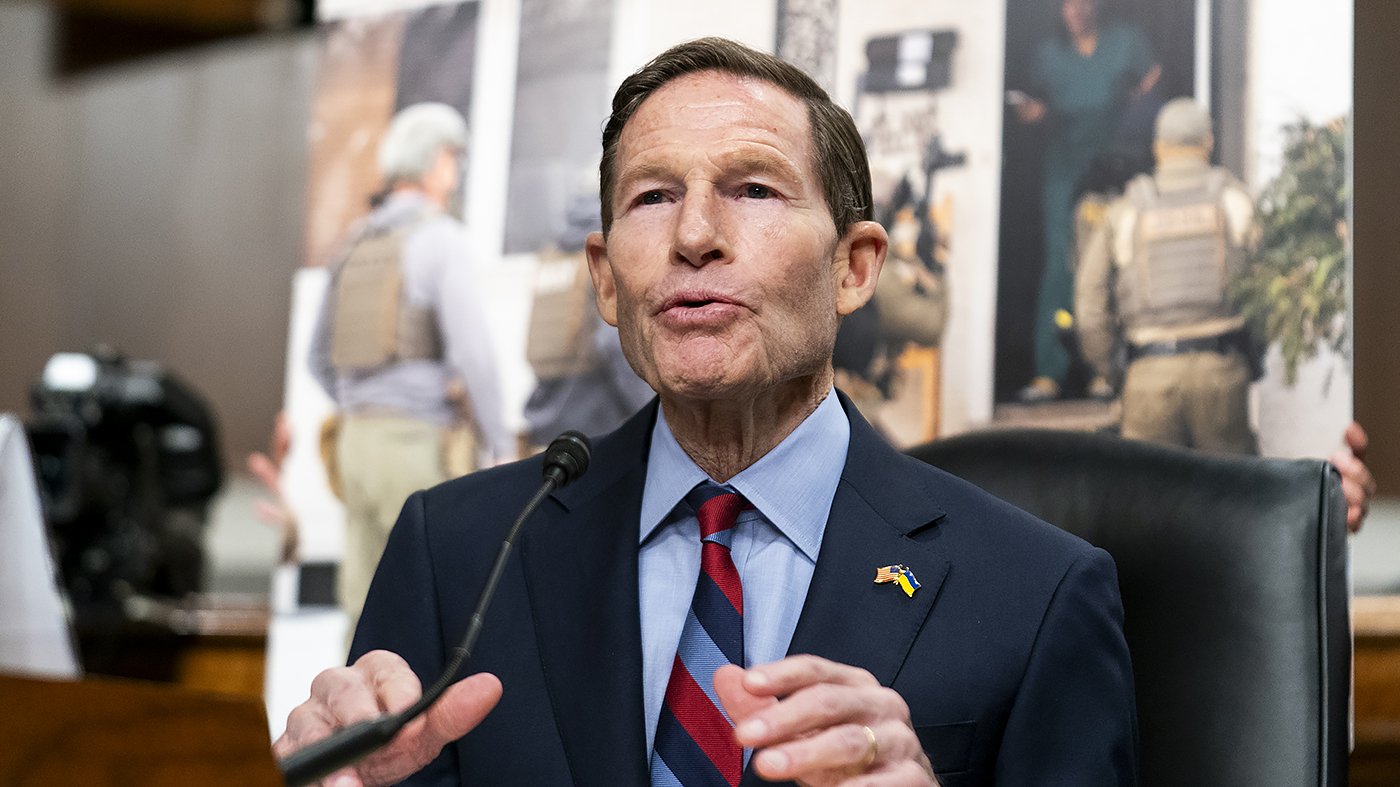
Senator Richard Blumenthal (D-Conn.) sharply criticized President Trump's recent executive action on college athletics, labeling it a political performance that fails to address systemic issues. The Connecticut Democrat argued that substantive reform requires Congressional action, not unilateral executive measures.
Executive Action Meets Legislative Skepticism
President Trump signed the order on Friday, directing the NCAA to implement new guidelines that would limit student-athlete eligibility to five years and restrict undergraduate transfers to a single instance without a mandatory waiting period. The order also aims to regulate name, image, and likeness (NIL) compensation deals it deems "fraudulent" and proposes establishing a national registry for athletes.
Blumenthal, who has been actively involved in college sports legislation, immediately dismissed the move. "Trump's college sports Executive Order is theater, not a fix," he wrote on social media. "Reform requires Congressional legislation—I have put commonsense bills and proposals on the table for safeguards and rules for competition."
The Legislative Alternative
Blumenthal is a co-sponsor of the Student Athlete Fairness and Enforcement (SAFE) Act alongside Senators Maria Cantwell (D-Wash.) and Cory Booker (D-N.J.). This proposed legislation would create a national framework for NIL compensation and strengthen protections for student-athletes, addressing what Blumenthal calls the core issues of compensation, revenue sharing, and competition standards.
The senator emphasized that Trump's executive action falls short of creating the durable, bipartisan solution needed. "We can make a bipartisan deal on transfers, eligibility, NIL, safety and protecting women's and Olympic sports," Blumenthal wrote in a follow-up post. "But the NCAA needs to stop playing games with phony Executive Orders and partisan bills."
Mounting Pressure for Comprehensive Reform
The NCAA itself has urged Congress to act, warning that the current patchwork of state laws and court decisions has created an unsustainable environment for college athletics. However, negotiations on Capitol Hill have repeatedly stalled amid fundamental disagreements over athlete compensation, antitrust protections, and the appropriate scope of federal oversight.
Trump's order attempts to impose interim structure, with the memo noting that colleges and universities failing to comply risk losing federal funding. This comes as pressure mounts from athletes, universities, and athletic conferences for clearer national standards. The growing influence and legal complexities surrounding sports betting, including in college sports, have added further urgency to the debate.
The president's approach to governance through executive action has drawn criticism in other policy areas as well. For instance, there is significant legal skepticism surrounding some of his previous executive orders. Furthermore, his administration's foreign policy maneuvers, such as its handling of Iran, have sparked intense political reactions, including demands for Congressional action from other senators and criticism from public figures.
The Path Forward
Despite the partisan tensions, lawmakers on both sides of the aisle have signaled renewed interest in reaching a legislative compromise on college sports. Blumenthal's critique underscores a fundamental divide in Washington regarding the proper mechanisms for policy change, a theme that extends beyond sports to areas like energy regulation and foreign affairs.
For Blumenthal and his Democratic colleagues, the solution is clear and requires engagement from all stakeholders. "Come to the table and negotiate," he stated, framing the executive order as a distraction from the hard work of bipartisan lawmaking needed to truly reform the multibillion-dollar world of collegiate athletics.