This summer, French luxury goods tycoon Bernard Arnault donated €50 million to establish a mathematics research center. The same billionaire has publicly attacked economist Gabriel Zucman, the architect of France's proposed 2% wealth tax, labeling him an "extreme left-wing activist" bent on "bringing the French economy to its knees."
In both France and the United States, billionaire philanthropy often garners glowing headlines. Yet the underlying paradox is stark: governments are perpetually cash-strapped, unable to fund essential public services, while the fortunes of the ultra-wealthy grow largely untaxed and are selectively deployed into public initiatives at the donors' discretion.
The prevailing narrative celebrates billionaires "giving back" to society. But a closer look reveals a troubling dynamic. If a cause is truly just and widely supported, why hasn't the public, through its government, already funded it? The answer lies in two fundamental failures of our political systems.
First, governments often fail to reflect the priorities of their citizens. There is a persistent disconnect between what voters want and what governments actually fund. For example, subsidies to industries like oil and gas, pharmaceuticals, and private equity remain entrenched despite widespread public opposition. This raises a critical question: should we outsource public spending decisions to unaccountable billionaires simply because our democratic institutions are misaligned?
Second, governments simply lack the revenue. Both the U.S. and France have run deficits for years, yet the wealthiest individuals pay a fraction of the taxes ordinary citizens do. According to Zucman, the effective tax rate for billionaires globally is between 0 and 0.5%. This disparity has fueled proposals like Zucman's 2% wealth tax on net worth above €100 million, which was debated in the French National Assembly before being rejected.
The logic behind such a tax is straightforward: if a billionaire's fortune grows by 10% annually, and an average worker pays 20% in income tax, then the billionaire should pay 2% of their net worth—equivalent to taxing the growth of their assets at the same rate. This would still leave them with 8% net growth, ensuring similar economic gains are taxed equitably.
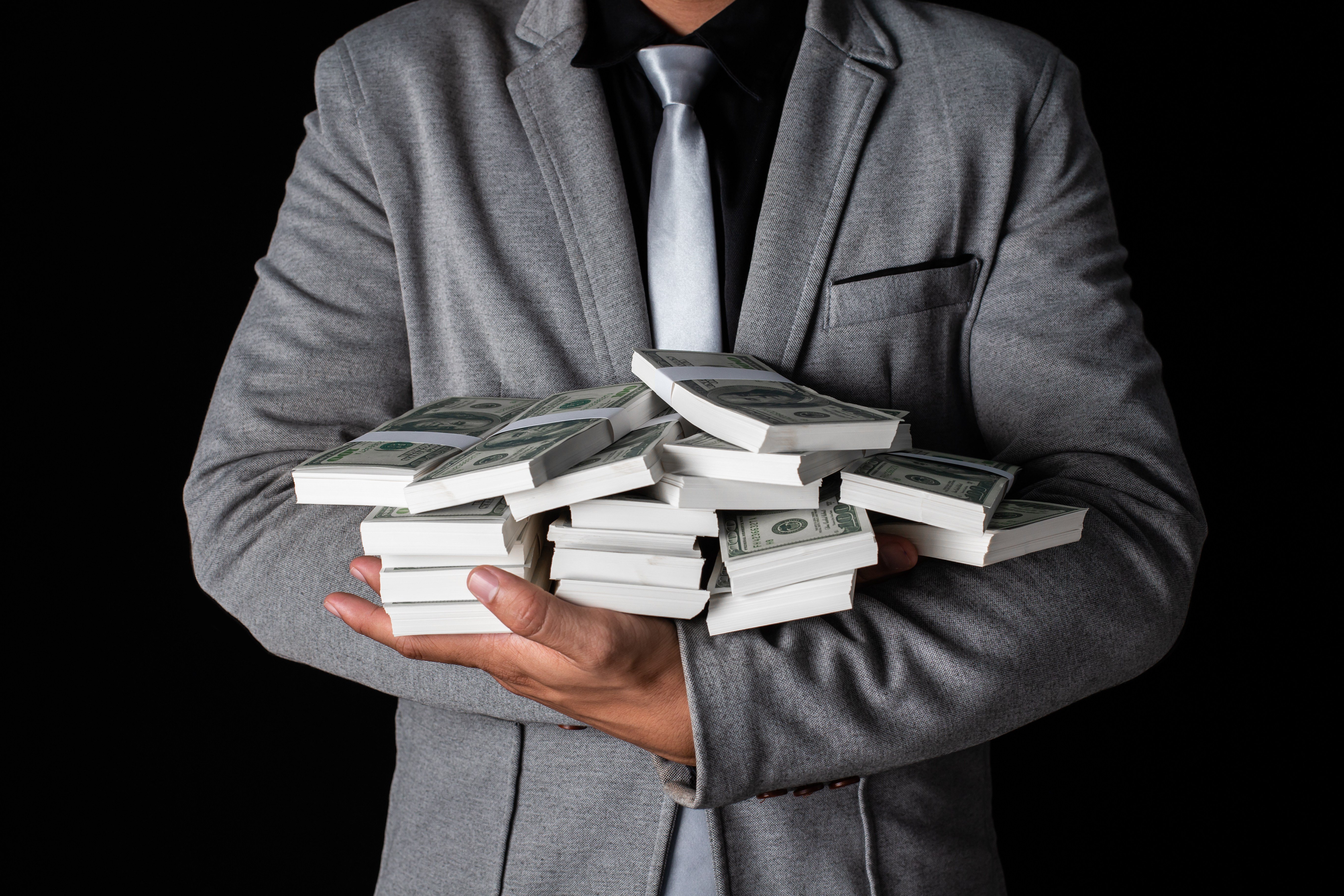
Critics of wealth taxes often argue that assets are illiquid, making it difficult for billionaires to pay without selling stakes or losing control of their companies. But Arnault's €50 million donation—made without selling a single asset—demolishes that argument. If billionaires can effortlessly fund pet projects, they can just as easily pay taxes.
The real debate, then, is not about practicality but about power. Do we want billionaires to decide where their wealth goes, or should those decisions be made collectively through democratic processes? As public opinion polls show that 77% of voters believe the wealthy pay too little in taxes, the demand for a fairer system is clear. Yet the political will to enact such reforms remains elusive, as evidenced by the ongoing debate over wage stagnation and worker power.
Ultimately, the question is whether generosity that costs nothing—and preserves the donor's influence—is generosity at all. As Benjamin Aimlin, a French-American consultant, puts it: "Wouldn't you be generous, too, if generosity cost you nothing, and you got to keep the power to decide?"