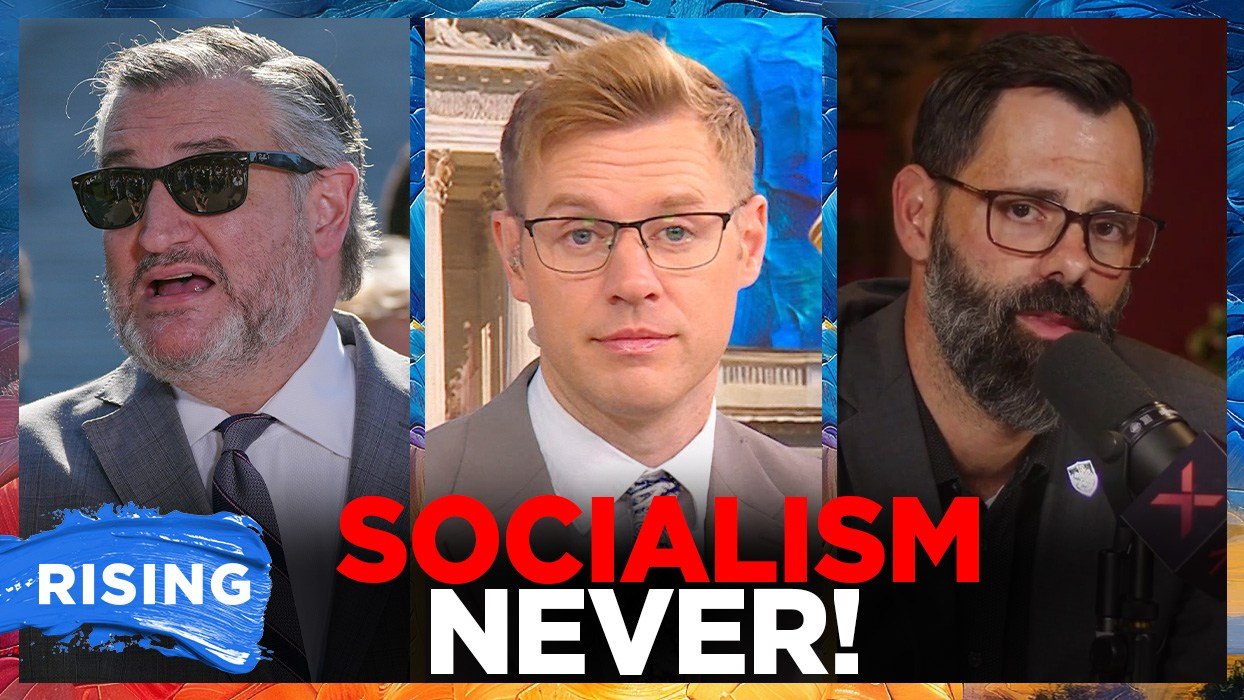
The Republican Party is facing an unexpected ideological challenge from within its own ranks, as a far-right pastor and Christian nationalist urges the GOP to adopt socialist policies. The proposal has drawn sharp rebukes from prominent conservatives, including Texas Sen. Ted Cruz, who delivered a blunt one-word verdict: “No.”
Cruz, in a post on X, expanded on his opposition: “No principled conservative can support the woke right. Nor can any principled libertarian. Racist socialists belong with the Democrats. If you agree with the socialists taking over the Democrat party…then you are not a Republican, not America First & not a conservative.”
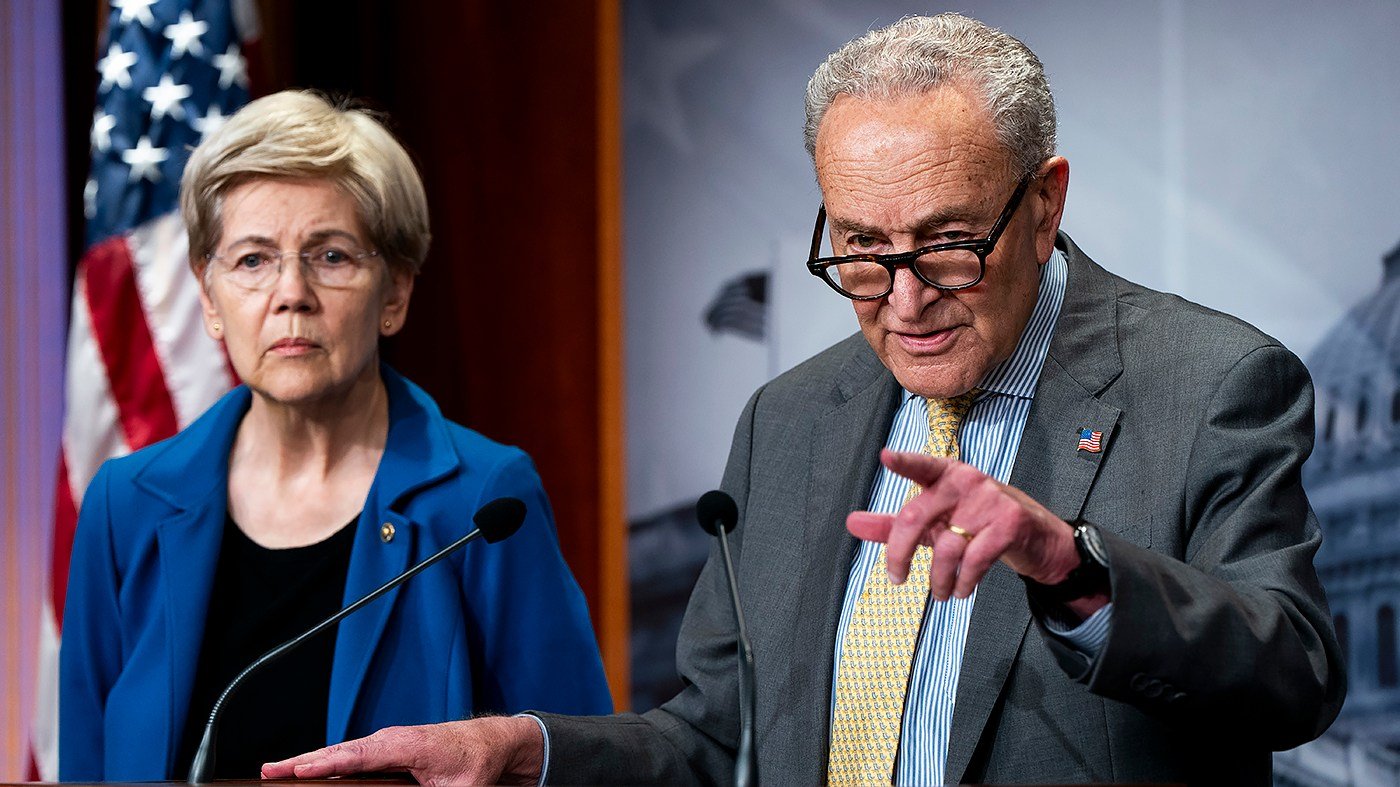
The controversy centers on Joel Webbon, a Texas-based pastor with a significant following on X, who has argued that the GOP is losing ground because it offers voters nothing tangible compared with Democratic promises of benefits and payouts. Webbon has urged Republicans to embrace socialist-style redistribution to compete, a stance that has alarmed mainstream conservatives.
Conservative commentator Laura Loomer went further, branding Webbon a “closet leftist,” while writer Corey Walker warned that “if both parties succumb to socialism, then the country is basically over and all the founders’ nightmares have finally become reality.”
The episode underscores a broader debate within the right about how to counter Democratic economic messaging. Some conservatives argue that the answer is not to mimic the left but to shrink government, cut taxes, and dismantle regulations that drive up costs. As one analysis put it, the GOP should return to “leave everybody alone-ism” rather than adopt “right-wing socialism.”
The criticism comes amid broader frustration with the Trump administration’s fiscal record. The much-touted DOGE efficiency drive has stalled, and the administration has yet to tackle major entitlement spending, such as Medicare, which many conservatives view as a form of intergenerational redistribution. As the GOP's anti-socialism vote exposes Democratic fault lines, the party faces pressure to articulate a clear economic vision.
For Cruz and other critics, the line is non-negotiable. Socialism, they argue, is an ideology of poverty and authoritarianism that has failed wherever it has been tried. The contrast between capitalist South Korea and socialist North Korea is often cited as proof. In the U.S., the Democratic Socialists of America have gained influence within the Democratic Party, pushing radical proposals like abolishing borders and prisons and replacing the Constitution.
Webbon’s response to his critics has been defiant, insisting that Republicans must offer voters concrete benefits or risk losing elections. But his detractors counter that the GOP’s path to victory lies in reducing the government’s role in Americans’ lives, not expanding it.
As the debate rages, the Republican Party faces a critical choice: stay true to its limited-government principles or risk sliding toward the very ideology it has long opposed. For Cruz, the answer is clear: “Capitalism, not socialism. Never, ever socialism.”