The Air Force is making the case that its fighter fleet is measured the wrong way, and that the discrepancy between peacetime budgeting and wartime requirements is undermining readiness. Deputy Chief of Staff Lt. Gen. David H. Tabor argues the service needs to shift from the legacy Primary Mission Aircraft Inventory (PMAI) metric to a more comprehensive standard that accounts for all combat-coded aircraft.
For years, the PMAI has been the basis for determining how many fighters the Air Force can operate during routine training and how funding, flying hours, and manning are allocated. But that metric excludes backup and attrition reserve aircraft—planes that would be pressed into service if frontline jets are damaged, destroyed, or undergoing maintenance. Tabor contends that this creates a false picture of the service's true combat power and leads to underfunding of essential reserve capacity.
The debate is technical but has significant political and budgetary implications. Congress set a minimum of 1,145 fighters in 2017, a number derived from modeling that dates back to the 1999 and 2001 Quadrennial Defense Reviews—a pre-9/11 security environment. Tabor argues that the National Defense Strategy, not a 25-year-old threat assessment, should dictate the size and composition of the fighter fleet.
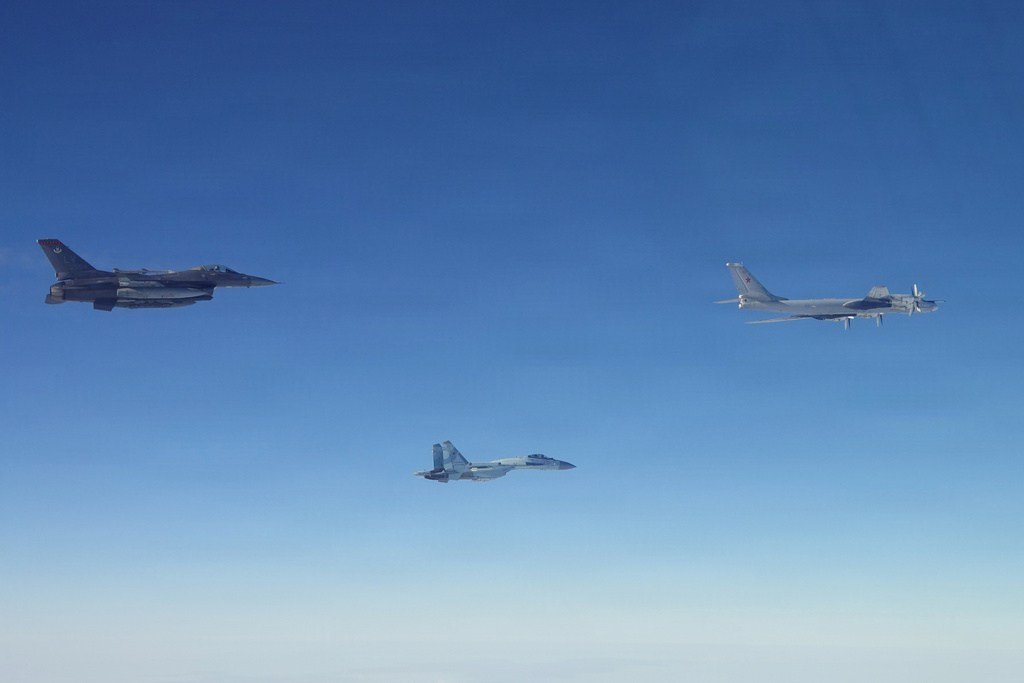
The current fleet is a mix of advanced F-35s and F-15EXs alongside older F-15s and F-16s. That diversity complicates sustainment and modernization, requiring a larger pool of reserve aircraft to keep older fleets viable. Tabor says the new Combat Coded Total Aircraft Inventory (CCTAI) metric would give a more accurate accounting of what the Air Force actually needs to project power globally.
Using a sports analogy, Tabor likens PMAI to a starting lineup—the minimum number of players on the field—while CCTAI counts the entire roster, including backups and injured reserves. He points to real-world examples where squadrons have 21 aircraft but are only funded and manned for 18, leading critics to question why three jets sit on the ramp. The answer, he says, is that aircraft constantly rotate through maintenance, and those backups are critical shock absorbers for unexpected losses.
Tabor cites Operation Epic Fury, where four F-15s were lost, as evidence that combat can quickly deplete a fleet. In a deployment scenario, a squadron tasked to send 12 aircraft with an option for six more would have zero margin if its PMAI baseline is 18. A single aircraft in depot maintenance or lost to combat would degrade the squadron's ability to meet its mission.
Critics have accused the Air Force of trying to game the system by adopting CCTAI to meet the 1,145 minimum without buying more planes. Tabor rejects that, insisting the goal is an honest assessment of combat capability, not a bureaucratic loophole. He is asking Congress to codify the new metric to ensure funding decisions reflect real-world needs.
The push comes amid fiscal constraints and an aging fleet. Tabor warns that sticking with the outdated PMAI floor could force cuts to essential reserve aircraft, a mistake that has happened before. He also emphasizes that the shift is not a rejection of uncrewed systems like Collaborative Combat Aircraft (CCA), which are being developed alongside crewed fighters. The 2027 budget includes 62 additional fighters—38 F-35As and 24 F-15EXs—plus 30 CCAs.
As the Air Force advances toward a more autonomous future, Tabor insists crewed fighters remain indispensable. The debate over metrics is fundamentally about ensuring the U.S. can sustain global deterrence. Lawmakers have shown interest in bipartisan cooperation on defense matters, and the outcome of this metric fight will shape the fleet for decades.