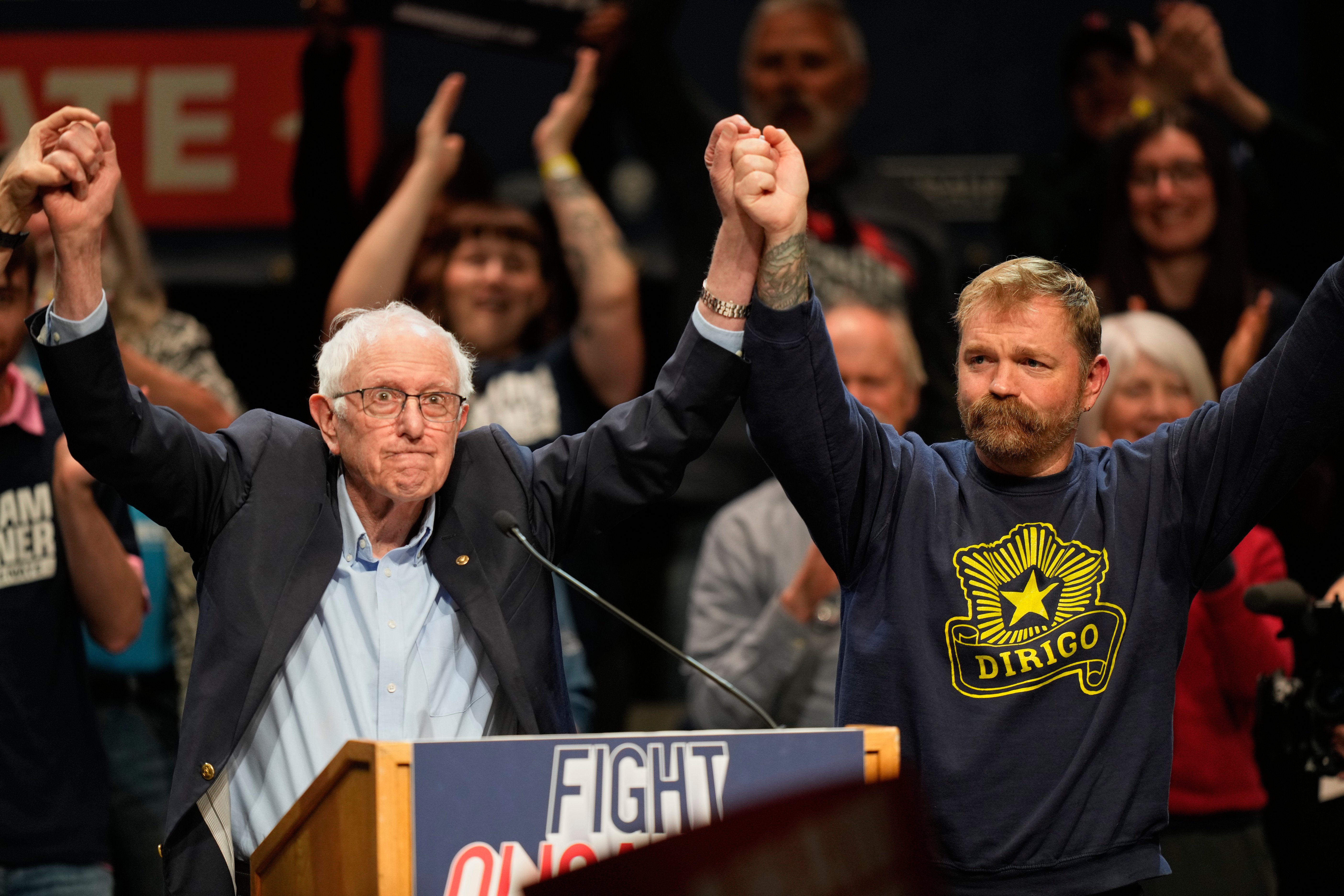
A decade ago, the term "democratic socialism" barely registered in American political discourse. Then came Bernie Sanders. The independent senator from Vermont stormed the 2016 Democratic primary, turning a fringe label into a rallying cry. Today, the movement he launched has woven itself into the fabric of U.S. politics, but its promises now collide with hard fiscal limits.
The Georgetown Doctrine
In late 2015, with his presidential campaign gaining momentum, Sanders delivered a defining address at Georgetown University. He laid out a platform that included Medicare-for-all, tuition-free college, universal childcare, paid maternity leave, and a government committed to full employment. He also took aim at the wealthy, insisting that "the wealthiest people and the largest corporations must pay their fair share." He even proposed automatic voter registration for every American over 18.
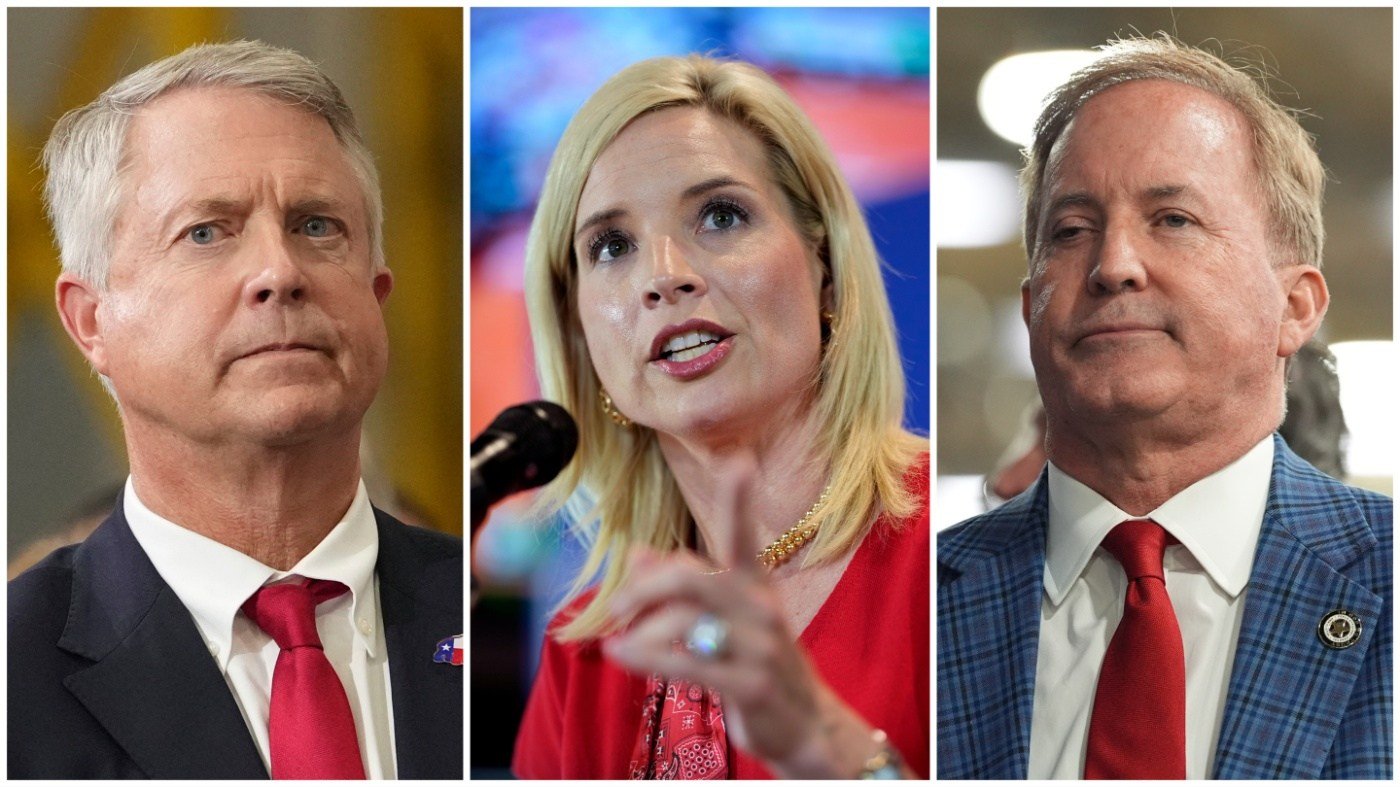
That vision, once dismissed as radical, now echoes through party platforms and legislation. Democratic socialists sit in Congress, state legislatures, and city halls—including the mayors of New York City and Seattle. The Democratic Socialists of America has grown chapters nationwide, with a youth wing active online and on the ground. As primary season heats up for 2026, socialist-aligned candidates are challenging incumbents in key races.
Fiscal Realities
Yet the math has only gotten steeper. The national debt now tops $39 trillion, with annual federal spending exceeding revenues by over $1 trillion. Social Security and Medicaid face multi-trillion-dollar shortfalls. States and cities grapple with unfunded pension liabilities. Funding Sanders' expansive agenda would require massive borrowing or money printing—both recipes for inflation.
Climate change, once a top concern, has slipped in public opinion polls. Many Americans now see fossil fuels as essential to daily life. The Green New Deal, championed by Sanders and Representative Alexandria Ocasio-Cortez, has yielded some legislative wins—like the Inflation Reduction Act—but billions in subsidies have struggled with basic delivery, from electric vehicle chargers to grid reliability. Corruption concerns have also emerged around grant distribution.
Pandemic and Beyond
During COVID-19, Sanders and Ocasio-Cortez pushed for universal basic income and prolonged lockdowns, framing them as public health necessities. More recently, they have called for a moratorium on data center construction, warning of environmental harm and rising utility costs. Critics note that renewable energy projects—solar and wind—often require vast land use and new transmission lines, raising similar concerns.
Despite these tensions, democratic socialism remains popular among young voters and a majority of Democrats. It enjoys support from Hollywood, academia, and much of the mainstream media. Groups like Our Revolution, which endorses candidates—including billionaires—continue to raise substantial funds. The movement's grip on the party's left flank shows no sign of loosening.
What's Next
As the 2026 midterms approach, the question is whether democratic socialists can translate their cultural influence into legislative power—or whether fiscal constraints and shifting public priorities will blunt their momentum. For now, the ideas Sanders introduced a decade ago remain a potent force in American politics, even as their implementation faces mounting obstacles.