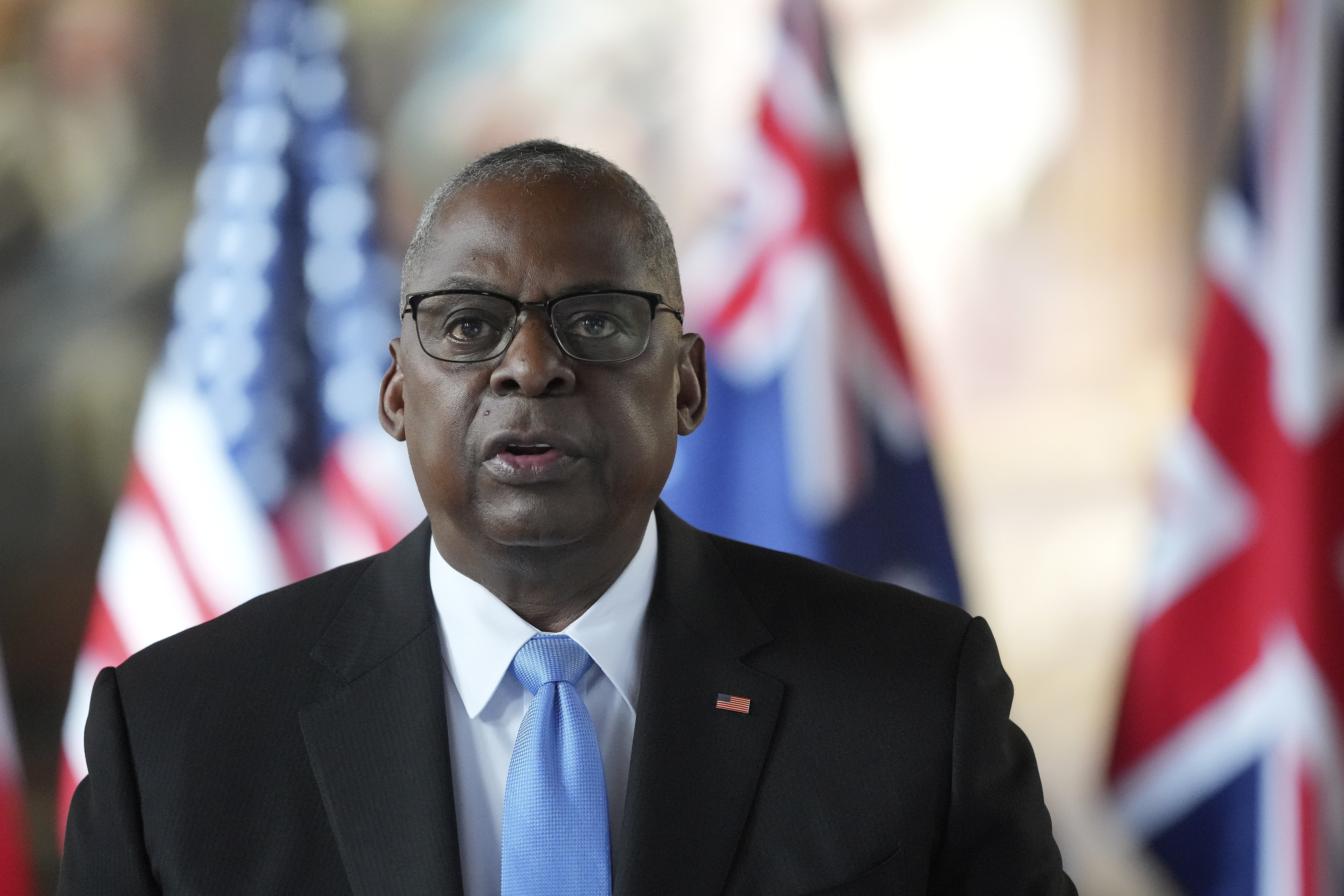
Former Defense Secretary Lloyd Austin stated Monday that the U.S. Navy has the capability to reopen the Strait of Hormuz, but emphasized that any such operation should be conducted with broad international support. Speaking at the HSBC Gulf Cooperation Council Exchanges Conference in London, Austin, who served under former President Joe Biden, told Bloomberg that while the U.S. could act unilaterally, holding the critical waterway open over time would be expensive.
“Certainly, the United States Navy could open the Strait of Hormuz,” Austin said. “Holding it open for a long period of time would be pretty costly and so we’d like to see an international effort, if that’s the case.”
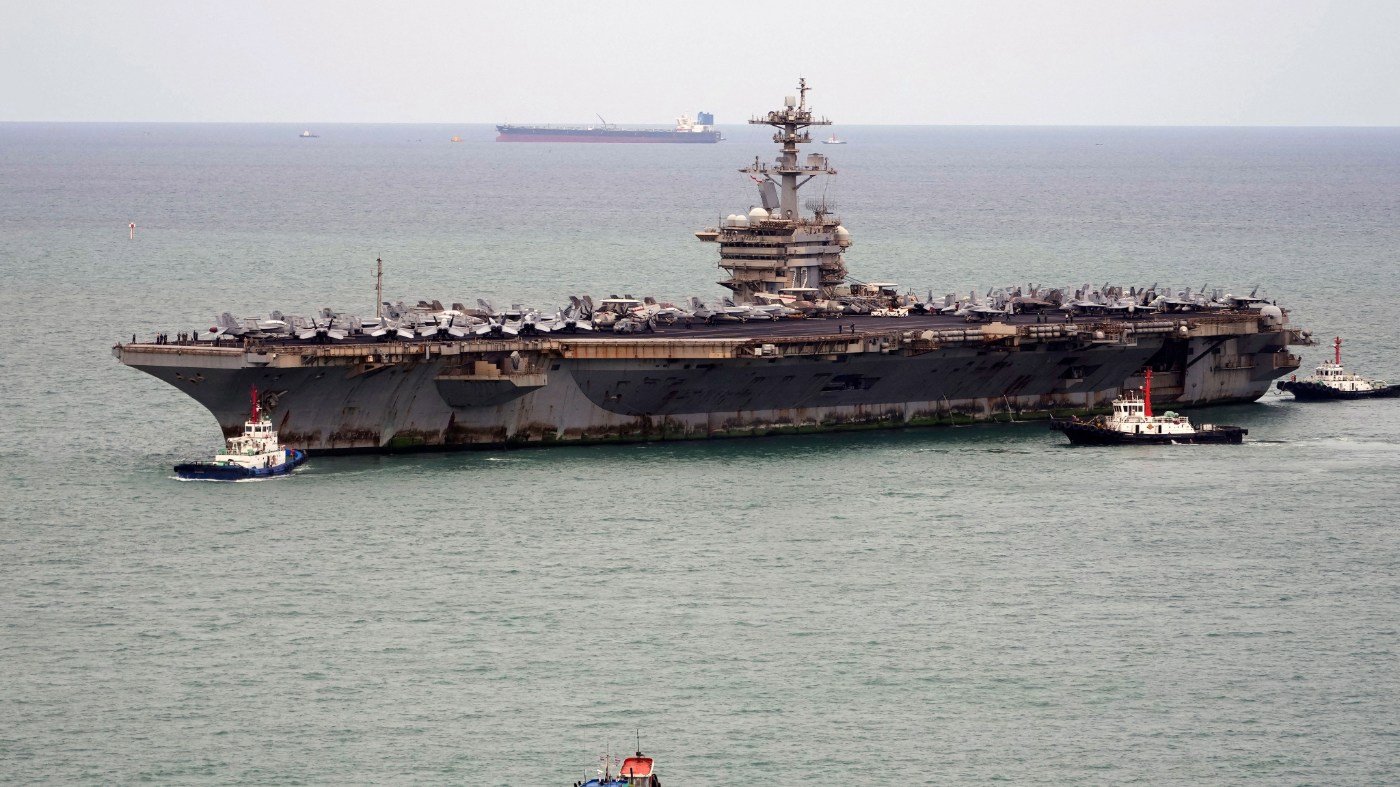
The remarks come as the strait remains largely closed to commercial traffic since March, disrupting the flow of oil and fuel from the Middle East. Under normal conditions, the waterway handles about one-fifth of the world’s daily oil shipments. Its closure has sent shockwaves through global shipping markets and pushed U.S. gas prices higher, with the national average hitting $4.16 per gallon as of Tuesday, according to AAA.
Austin underscored that freedom of navigation in the strait is not merely a U.S. interest but a global one. “It’s important to not only the United States but the entire global economy,” he said. “The sooner we can do that, the better.”
President Trump has previously criticized U.S. allies—including South Korea, Japan, and Germany—for not intervening to ensure the strait’s swift reopening. The White House has faced a geopolitical stalemate with Iran, which has leveraged the closure as a strategic gambit, leaving Trump with limited options.
Austin, who now works as a national security consultant since Trump returned to the White House, expressed hope that a ceasefire could hold to facilitate negotiations and reopen the passage. “We would like to see this ceasefire hold, so that we can get negotiations completed and then we can get the strait open again,” he said.
The former Pentagon chief’s comments highlight the delicate balance between military capability and diplomatic necessity. While the U.S. Navy possesses the firepower to break the blockade, the long-term costs of a solo mission—both financial and strategic—make a coalition approach more viable. This aligns with broader defense debates, including a House panel advancing a $1.15 trillion defense bill that renames the Pentagon as the War Department, signaling a shift in military posture.
The strait’s closure has also intensified scrutiny of energy security and allied burden-sharing, themes that are likely to dominate upcoming policy discussions as the GOP faces a packed summer agenda with midterms looming.