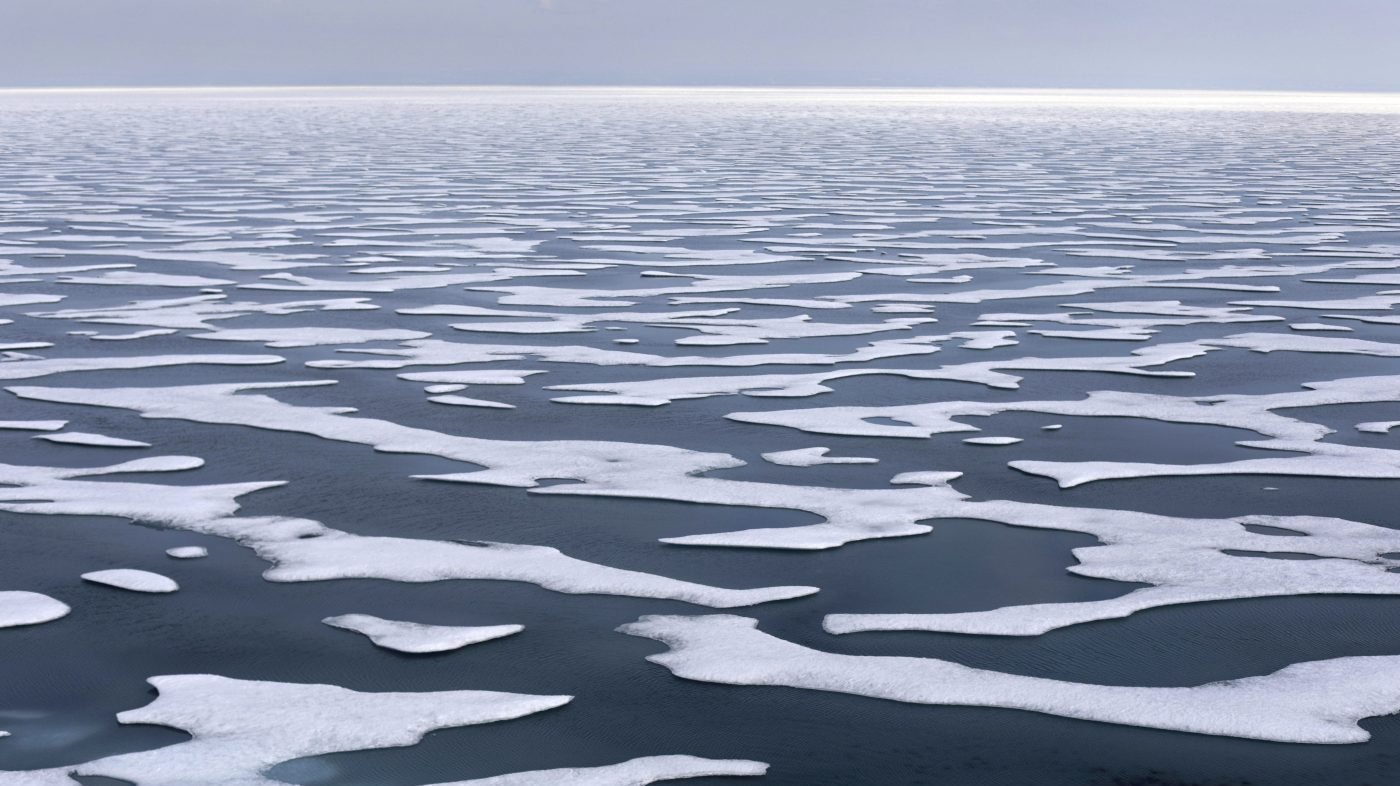
Arctic sea ice has reached its lowest recorded winter maximum, according to preliminary data released Thursday by the National Snow and Ice Data Center (NSIDC) at the University of Colorado Boulder. The finding arrives amid a wave of unprecedented March heat records across multiple continents, intensifying scientific warnings about accelerating climate impacts.
NSIDC scientists cautioned that the preliminary extent figure could still be influenced by late-season weather patterns. However, the record low maximum provides what senior research scientist Walt Meier described as "a head start to the spring and summer melt season." In the center's report, Meier emphasized that while individual record years must be viewed in context, this measurement "reinforces the dramatic change to Arctic sea ice throughout all seasons" observed in the decades-long satellite record since 1979.

A Climate Feedback Loop
The diminishing ice cover creates a dangerous feedback mechanism for global warming. Sea ice reflects solar energy back into space; less ice means darker ocean surfaces absorb more heat. This absorption accelerates oceanic and atmospheric warming, which in turn drives further ice melt. The loss also directly threatens Arctic wildlife, including polar bears and seals that depend on ice for hunting and breeding.
Jennifer Francis, a senior scientist at the Woodwell Climate Research Center, told CNN the ice loss "is yet another symptom indicating the Earth's climate is in big trouble." She directly linked the trend to greenhouse gases from fossil fuel combustion, which are "warming the oceans, heating the air, melting the ice, and worsening weather extremes all around the world." Meier echoed this to The Associated Press, calling the low sea ice level "a climate change global warming signal."
Global Heat Records Shatter in March
The Arctic report coincides with a remarkable global heat event. Record-breaking March temperatures have been documented across Mexico, Australia, northern Africa, and parts of northern Europe. In the United States, the National Weather Service tracked unprecedented warmth, with the Southwest, Midwest, and California seeing thermometers surge past 90 and 100 degrees Fahrenheit, marking the warmest March on record for many areas.
Climatologist and weather historian Maximiliano Herrera cataloged the extremity, noting 17 U.S. states set March records, with seven experiencing temperatures over 100 degrees. He described the event on social media as "extraordinary" and constituting the "most extreme event in North American history" of its kind in centuries.
This climatic stress occurs as the Biden administration faces complex energy and geopolitical challenges. The success of renewable energy sources like offshore wind in bolstering grid resilience during extreme weather is becoming increasingly critical. Simultaneously, the U.S. must navigate coordinated strategic pressure from adversarial states like Russia and China, for whom a destabilizing climate may present both risks and opportunistic leverage.
The interconnected crises—from melting poles to scorching continents—underscore a rapidly shifting physical and political landscape. As scientific signals grow more urgent, the data presents a stark benchmark for policymakers debating the pace and scale of the energy transition and climate adaptation efforts worldwide.