Apple is set to release iOS 27 later this year, bringing enhanced AI features, but users with older devices may find themselves locked out. The company regularly phases out hardware that can't handle new software, and its latest list of vintage and obsolete products—updated in April—includes several popular models.
According to Apple's classification, a device becomes vintage once it has been discontinued for more than five years but less than seven. Obsolete devices are those discontinued seven or more years ago. Vintage products may still receive parts and some updates, but obsolete ones lose all hardware support.

Which iPhones Are Now Vintage?
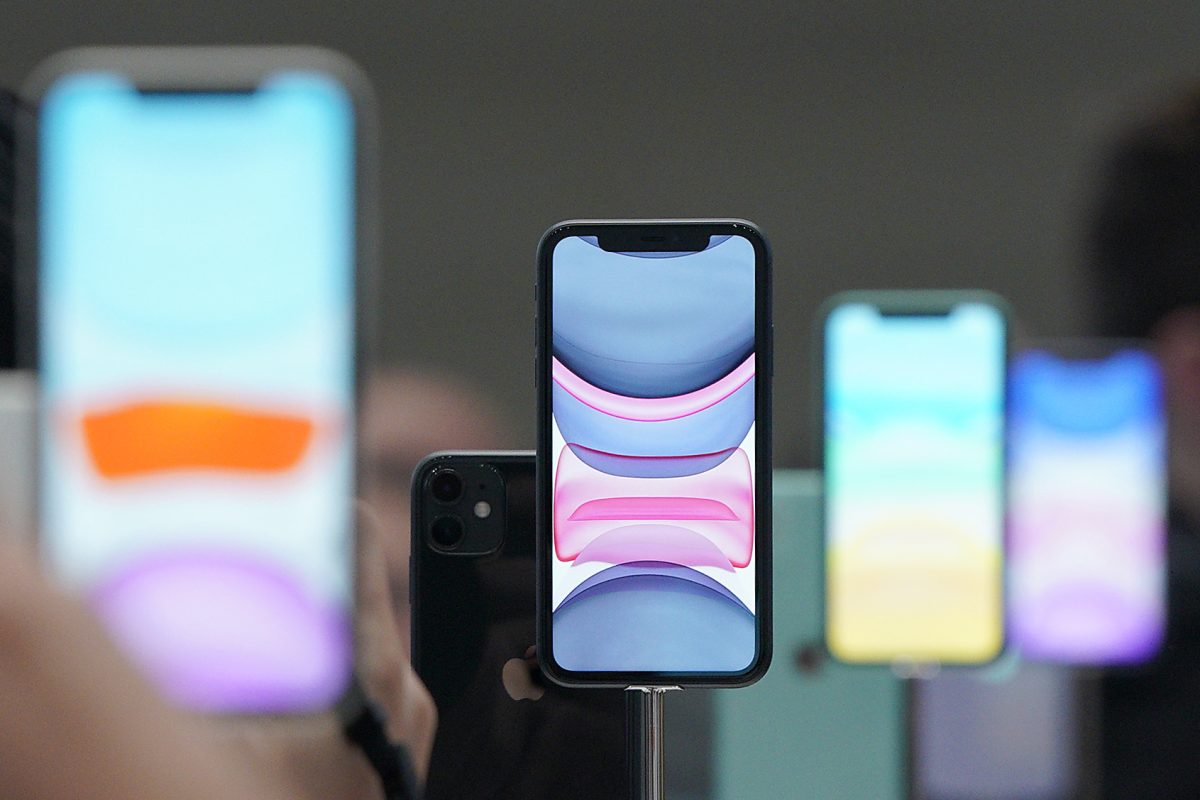
The iPhone 11 Pro and iPhone 11 Pro Max—both launched in 2019—have been added to the vintage list. Notably, the standard iPhone 11 is not yet vintage, but all three models will still support iOS 27. Earlier iPhones, including the iPhone 8 and iPhone SE (first generation), are now obsolete, meaning no further updates or repairs are available from Apple.
Apple Watches Series 3, 4, and 5, along with first-generation AirPods, are also vintage. MacBook Air and Pro models from 2017 to 2019, as well as the 2015 MacBook Pro 15-inch Retina, join the list. Many Mac desktops from 2012 to 2019 are vintage too.
Obsolete Devices: What You Need to Know
Any device released before 2019 is generally considered obsolete. This includes most iPod touch models, iPhones up to the iPhone 8, and Apple TV up to the third generation. Hardware service is discontinued, and parts are no longer available.
Being vintage or obsolete doesn't render your device useless, but it does make repairs harder and may mean missing out on the latest updates. For instance, the iOS 27 update will skip all obsolete iPhones, leaving users without new security patches or features.
Carrier Support Also Fading
Cell providers are likewise phasing out older devices. Verizon no longer supports first- and second-generation iPads, or iPhone 4, 4s, 5, 5c, and 5s. AT&T only supports iPhone 6 models and newer. If you're unsure about your device's model, check in Settings > General > About on your iPhone, or visit Apple's support page.
This shift comes as Apple pushes forward with its AI strategy. The company recently settled a lawsuit over delayed AI features for $250 million, potentially paying users up to $95. Meanwhile, the tech giant is navigating a leadership transition, with hardware veteran John Ternus set to become CEO as Tim Cook moves to executive chair. These changes underscore Apple's focus on innovation—and the trade-offs for users clinging to older gear.
For those wondering about the broader implications, the settlement over AI delays highlights the pressure on Apple to deliver cutting-edge software. And as the company prepares for a new CEO, the pace of obsolescence may only accelerate.