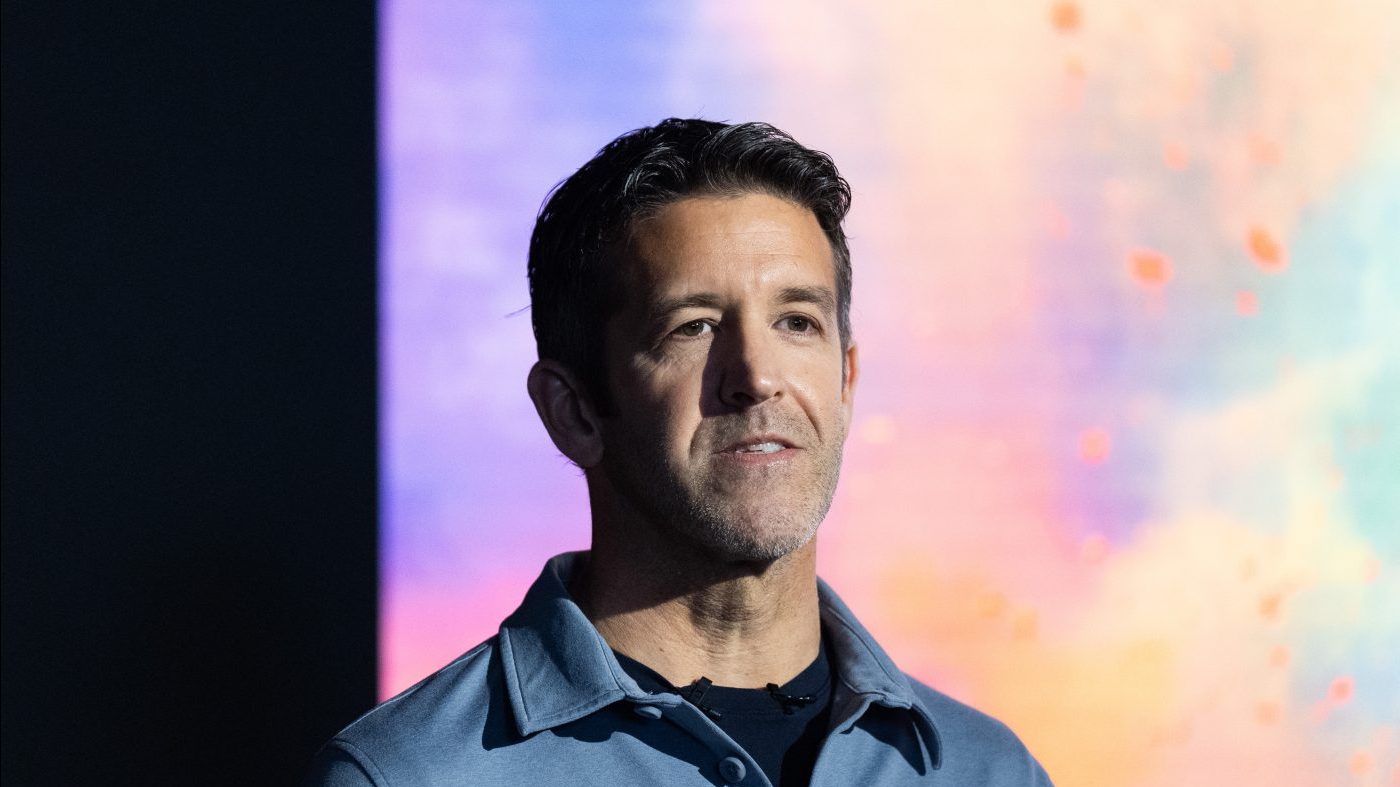
Apple Inc. will install senior hardware engineering executive John Ternus as its next chief executive officer this September, concluding a 25-year corporate ascent for the engineer who joined during the Steve Jobs era. The 50-year-old executive will replace Tim Cook, who will transition to the role of executive chairman of Apple's board of directors.
Engineering Mindset Meets Global Leadership
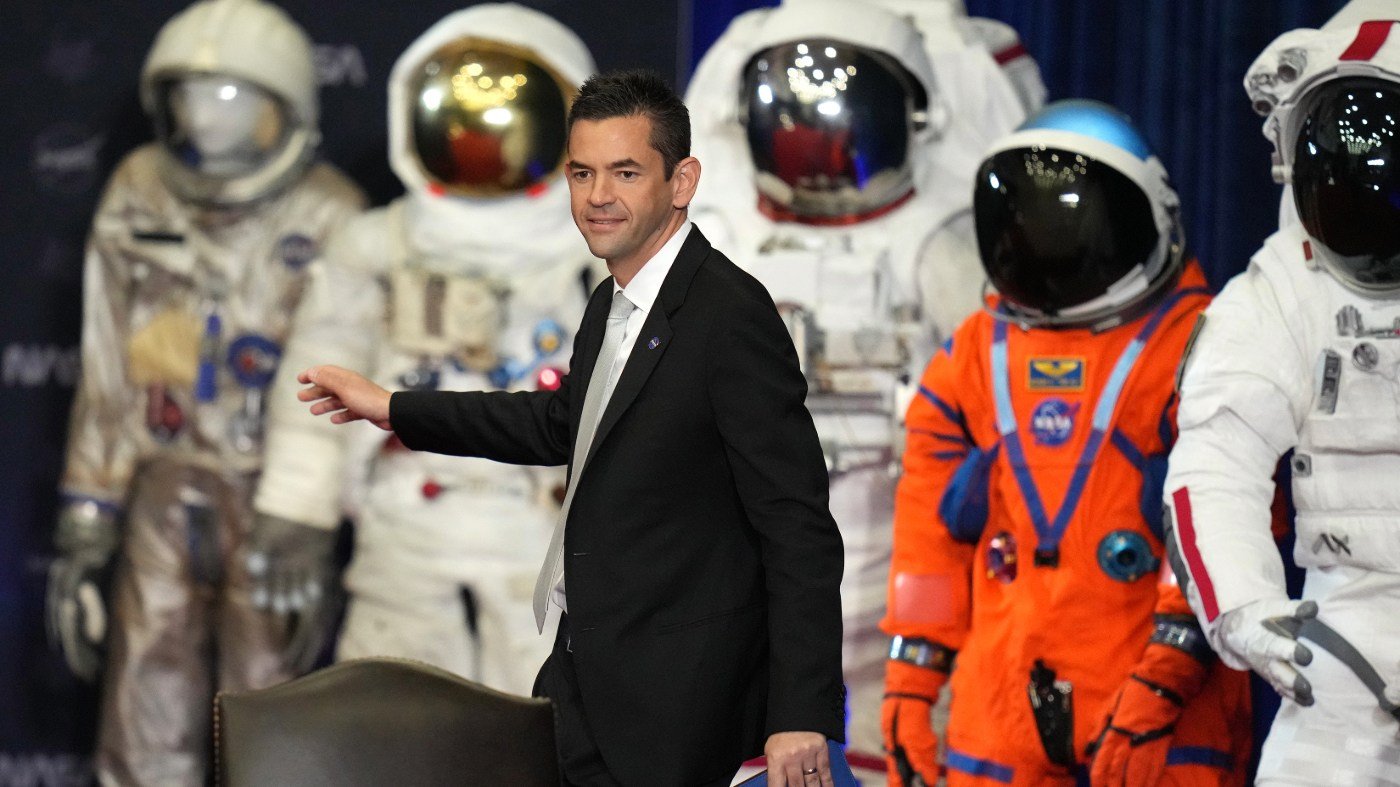
Ternus has spent virtually his entire professional career within Apple's hardware divisions, most recently serving as senior vice president of hardware engineering. His promotion represents a deliberate choice to place a product-focused engineer at the helm of the world's most valuable technology company. In a statement announcing the transition, outgoing CEO Tim Cook praised Ternus as "a visionary whose contributions to Apple over 25 years are already too numerous to count, and he is without question the right person to lead Apple into the future." Cook added that Ternus possesses "the mind of an engineer, the soul of an innovator, and the heart to lead with integrity and with honor."
Inheriting a Transformed Company
Ternus assumes leadership of a corporation dramatically reshaped during Cook's tenure. Under Cook's management, Apple's market valuation surged by approximately 1,000%, while annual revenue expanded from $108 billion to over $416 billion across eleven years. The incoming CEO's mandate extends beyond maintaining this financial trajectory; he must modernize Apple's technology portfolio for intensifying global competition while expanding his focus from product design to broader corporate strategy.
The timing of this leadership change presents immediate challenges. Apple has faced criticism for perceived delays in deploying generative artificial intelligence features across its product ecosystem, falling behind competitors in what analysts consider the next fundamental shift in human-computer interaction. "The challenge for the new CEO is really to make sure Apple is able to crack AI as the new user interface and reinvent human machine interaction," noted Forrester Research analyst Thomas Husson in comments to The Associated Press.
Geopolitical Navigation and Washington Relations
Ternus enters the CEO role during a period of exceptional geopolitical complexity. Apple remains heavily dependent on manufacturing operations in China, creating vulnerability amid fluctuating U.S.-China trade relations and broader tensions in the Indo-Pacific region. Simultaneously, the company must maintain its relationship with the Trump administration, which has taken a keen interest in technology policy and corporate leadership.
Cook cultivated a productive rapport with President Trump, who previously described their relationship as "long and very nice." The outgoing CEO personally donated $1 million to Trump's inaugural committee and served on the administration's American Workforce Advisory Board. However, Apple was notably excluded from the newly formed President's Council of Advisors on Science and Technology, which included executives from Google, Oracle, Dell, Coinbase, and Meta.
In his new capacity as executive chairman, Cook will focus on "engaging with policymakers around the world," potentially allowing Ternus to concentrate on product development and operational challenges. Ternus himself has maintained minimal political visibility; his largest recorded political contribution was a $5,800 donation to Senate Minority Leader Chuck Schumer's 2021 reelection campaign, according to Business Insider.
Strategic Imperatives in a Shifting Landscape
The incoming CEO's first year will require navigating not only technological competition and supply chain pressures but also the ongoing conflict in the Middle East and its potential disruption to global markets. Ternus's deep institutional knowledge—having worked under both Steve Jobs and Tim Cook, whom he considers mentors—provides a foundation for this multifaceted leadership test. His appointment signals Apple's commitment to its hardware engineering core even as it confronts software-defined challenges in artificial intelligence.
As Cook prepares to shift to the boardroom, the executive transition occurs against a backdrop of increasing scrutiny of Big Tech's role in national security and economic policy. The administration's approach to technology, evidenced by moves like the rollback of energy efficiency standards, creates a regulatory environment that demands careful corporate navigation. Meanwhile, Apple continues to address security concerns, having recently issued urgent security updates following discoveries of state-linked spyware targeting its devices.
John Ternus's leadership will ultimately be measured by his ability to sustain Apple's remarkable commercial success while steering the company through technological transformation and an increasingly fragmented international order. His September ascension marks a pivotal moment for a corporation whose products influence global culture, commerce, and communication.