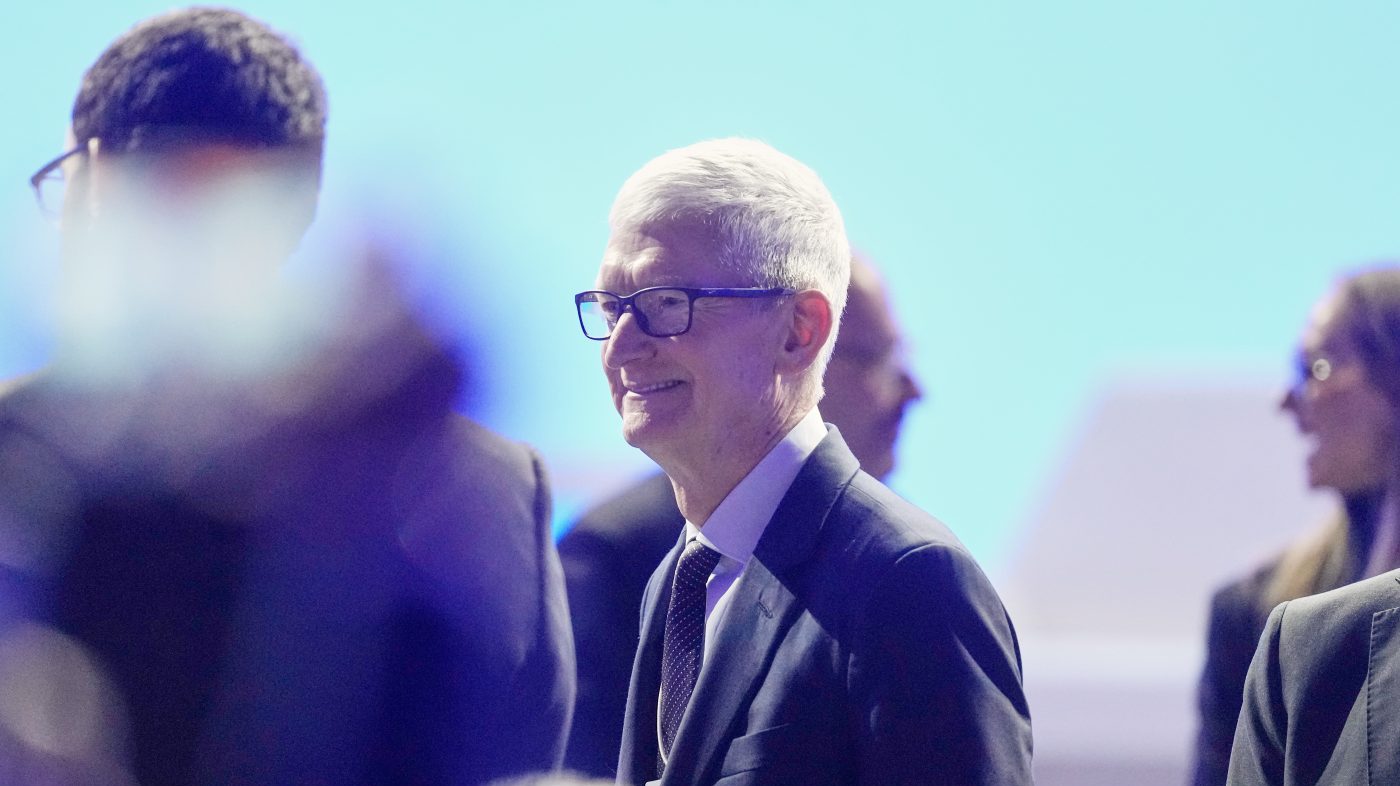
Apple announced a major leadership transition Monday, with Chief Executive Officer Tim Cook preparing to step down from the role he has held for nearly fifteen years. Cook will transition to the position of executive chair of the company's board of directors. His successor, set to take over in September, will be John Ternus, currently Apple's senior vice president of hardware engineering.
A Planned Transition at the World's Most Valuable Company
The move represents a carefully orchestrated changing of the guard at one of the world's most influential technology and consumer electronics firms. Cook, who assumed leadership in 2011 following the resignation of founder Steve Jobs, presided over a period of unprecedented financial growth. Under his stewardship, Apple became the first publicly traded U.S. company to reach a $3 trillion market valuation and briefly touched $4 trillion last year, cementing its status as a financial titan.
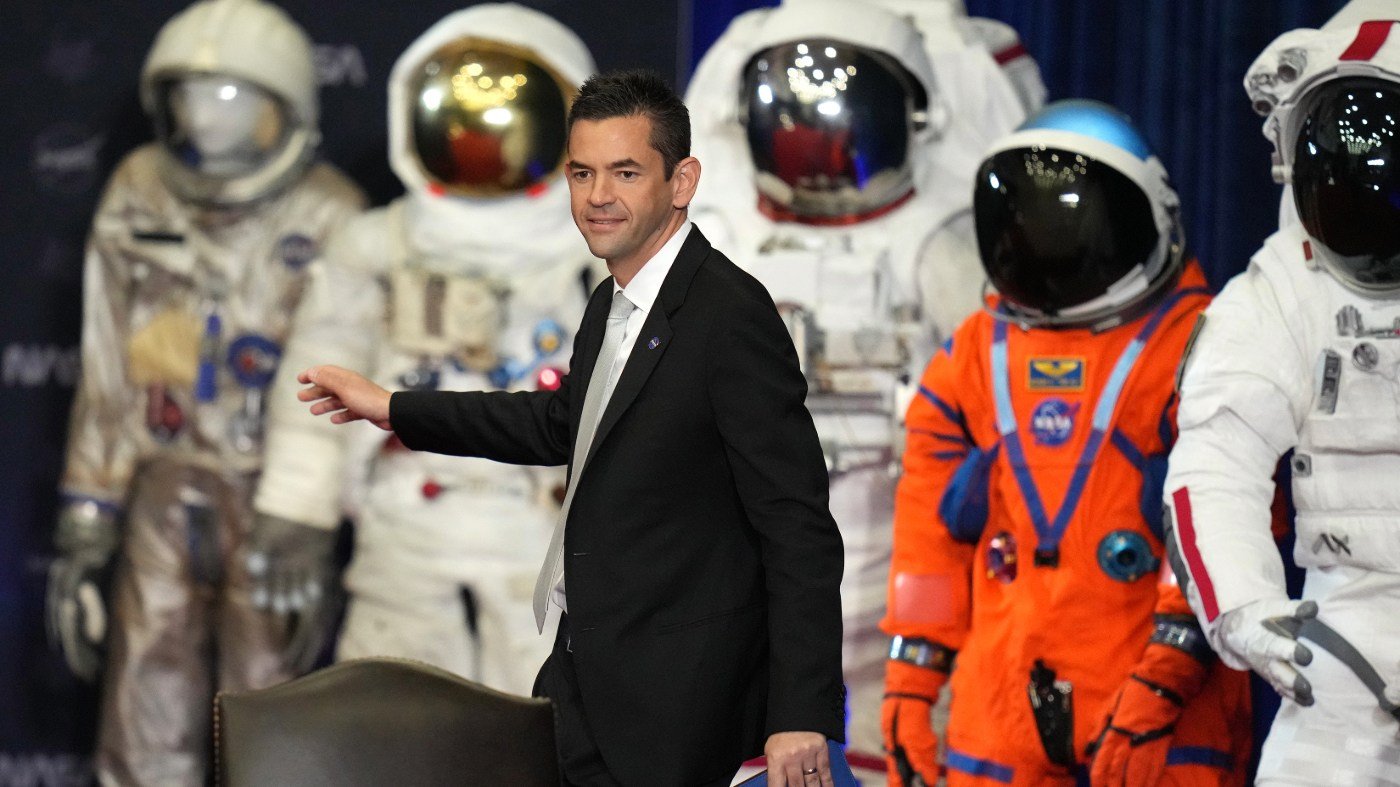
In a statement, Cook reflected on his tenure. "It has been the greatest privilege of my life to be the CEO of Apple and to have been trusted to lead such an extraordinary company," he said. "I love Apple with all of my being, and I am so grateful to have had the opportunity to work with a team of such ingenious, innovative, creative, and deeply caring people who have been unwavering in their dedication to enriching the lives of our customers and creating the best products and services in the world."
Ternus: The Engineer Ascendant
John Ternus's promotion from within the ranks underscores Apple's continued focus on product innovation and hardware integration. As the head of hardware engineering, Ternus has been a key architect behind recent iPhone, iPad, and Mac designs. His internal rise mirrors the path of his predecessor, suggesting the board prioritizes deep institutional knowledge and operational experience over external candidates.
Cook expressed unequivocal confidence in his successor. "I could not be more confident in his abilities and his character, and I look forward to working closely with him on this transition and in my new role as executive chairman," Cook added. He explicitly endorsed Ternus as "without question the right person to lead Apple into the future."
The leadership shift occurs as Apple navigates a complex global landscape, including heightened regulatory scrutiny in both the United States and European Union, fierce competition in China, and the rapid evolution of artificial intelligence. The company's strategic decisions have profound implications for global technology supply chains and consumer markets. This corporate transition will be closely watched in Washington, where debates over technology security and critical infrastructure are ongoing.
Cook's legacy is marked by monumental commercial success, but also by challenges including antitrust lawsuits, privacy battles, and calls for greater manufacturing diversification. His move to executive chair suggests he will remain involved in high-level strategy and board governance, ensuring continuity during the handover. The incoming CEO will immediately face tests, from maintaining growth in a saturated smartphone market to executing the company's much-anticipated push into mixed-reality and AI-driven products.
Executive transitions at corporations of Apple's scale often signal broader strategic pivots. Analysts will parse Ternus's engineering background for clues about Apple's product roadmap, while investors will assess his ability to sustain the company's financial performance. The change also highlights the immense concentration of power within a handful of tech giants, a reality that continues to fuel political debates over antitrust and market dominance, similar to concerns raised about influence and spending in other sectors of public life.
The September effective date allows for a multi-month transition period. This planned succession contrasts with more abrupt leadership changes elsewhere in industry and government, and may serve as a model for other firms. As one era ends, Apple's next chapter under Ternus will be a defining story for the technology sector and the global economy it increasingly shapes.