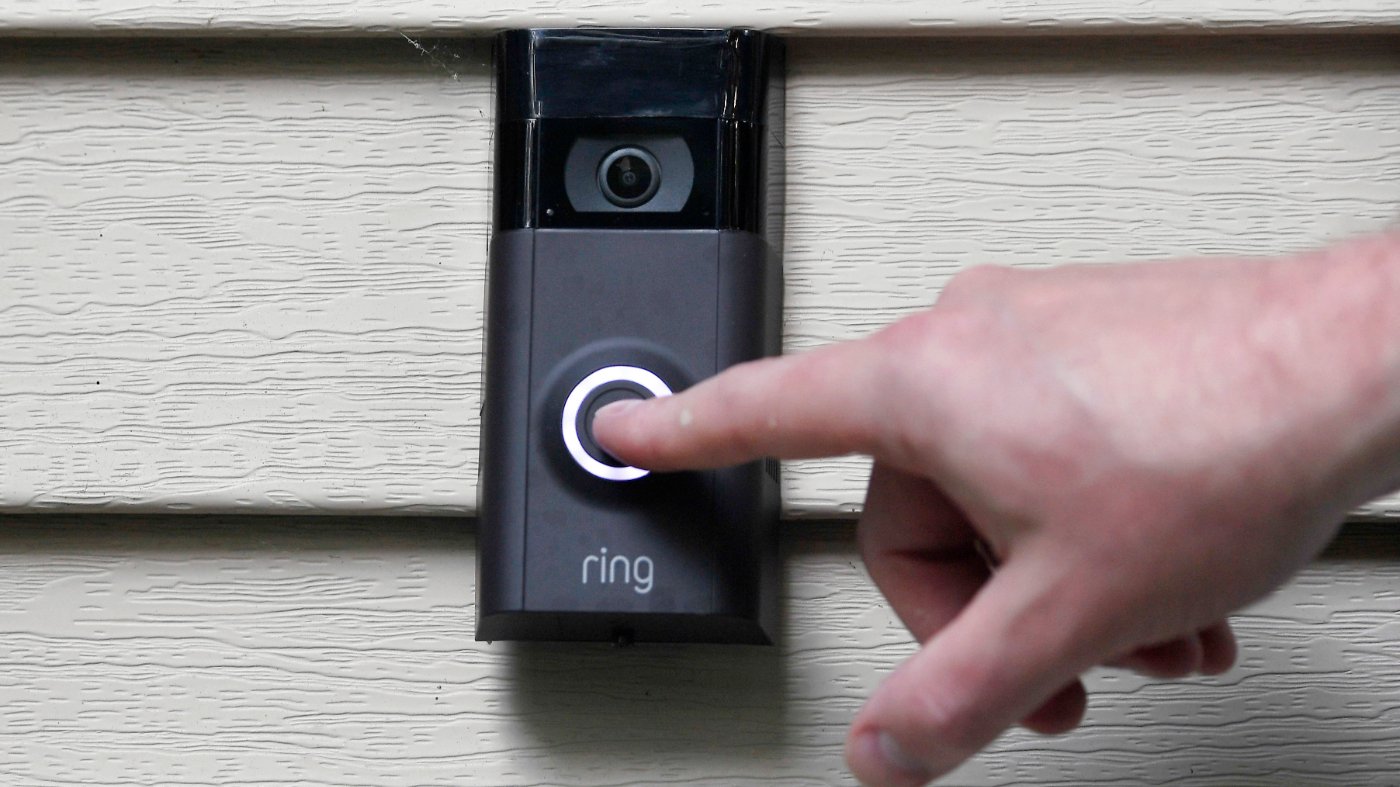
A Virginia man has launched a class-action lawsuit against Amazon, alleging that the facial recognition technology embedded in its Ring doorbell cameras improperly captured and stored his image without authorization. The lawsuit, filed Monday in federal court in Seattle, takes aim at Ring’s optional “Familiar Faces” feature, which uses artificial intelligence to identify and log individuals who appear on the cameras.
Plaintiff Charles Sigwalt argues that the feature violates privacy rights by retaining biometric data of people who have not given permission. The complaint states that “millions of other Americans passed by a Ring security camera and unknowingly had their facial recognition information collected.” Sigwalt is seeking at least $5 million in damages for the proposed class, though the per-person amount for those similarly affected was not specified. Amazon declined to comment on the lawsuit.

The “Familiar Faces” tool, when activated, allows Ring users to receive alerts when a person previously seen by the camera returns to a property. Critics say this functionality effectively builds a database of individuals without their knowledge, raising significant privacy concerns. This case echoes other legal challenges over facial recognition, including a recent class-action suit against Disney over similar technology at its California parks.
The lawsuit adds to a growing wave of scrutiny around Ring’s surveillance ecosystem. Privacy advocates have long voiced alarm over the company’s data collection practices, including its partnerships with law enforcement agencies. In a related development, Ring recently ended its collaboration with surveillance firm Flock Safety following controversy over a Super Bowl advertisement that promoted its Search Party feature, an AI tool that lets users share camera feeds based on visual cues. Flock Safety was not connected to Search Party, but the company faced backlash over potential data access by Immigration and Customs Enforcement (ICE) during the Trump administration’s immigration crackdown.
Amazon acquired Ring for $1 billion in 2018. The company’s privacy record has been under fire: in 2023, the Federal Trade Commission secured a $5.8 million settlement against Amazon over allegations that employees and contractors had improper access to Ring camera footage. Amazon also settled a separate $25 million privacy claim concerning its Alexa voice assistant.
The legal action comes as facial recognition technology faces heightened regulatory and public scrutiny, particularly in immigration enforcement contexts. The suit underscores ongoing tensions between tech giants’ data-driven business models and consumer privacy rights, with Virginia—home to a deadly bus crash and other headline-grabbing events—now at the center of this privacy battle.