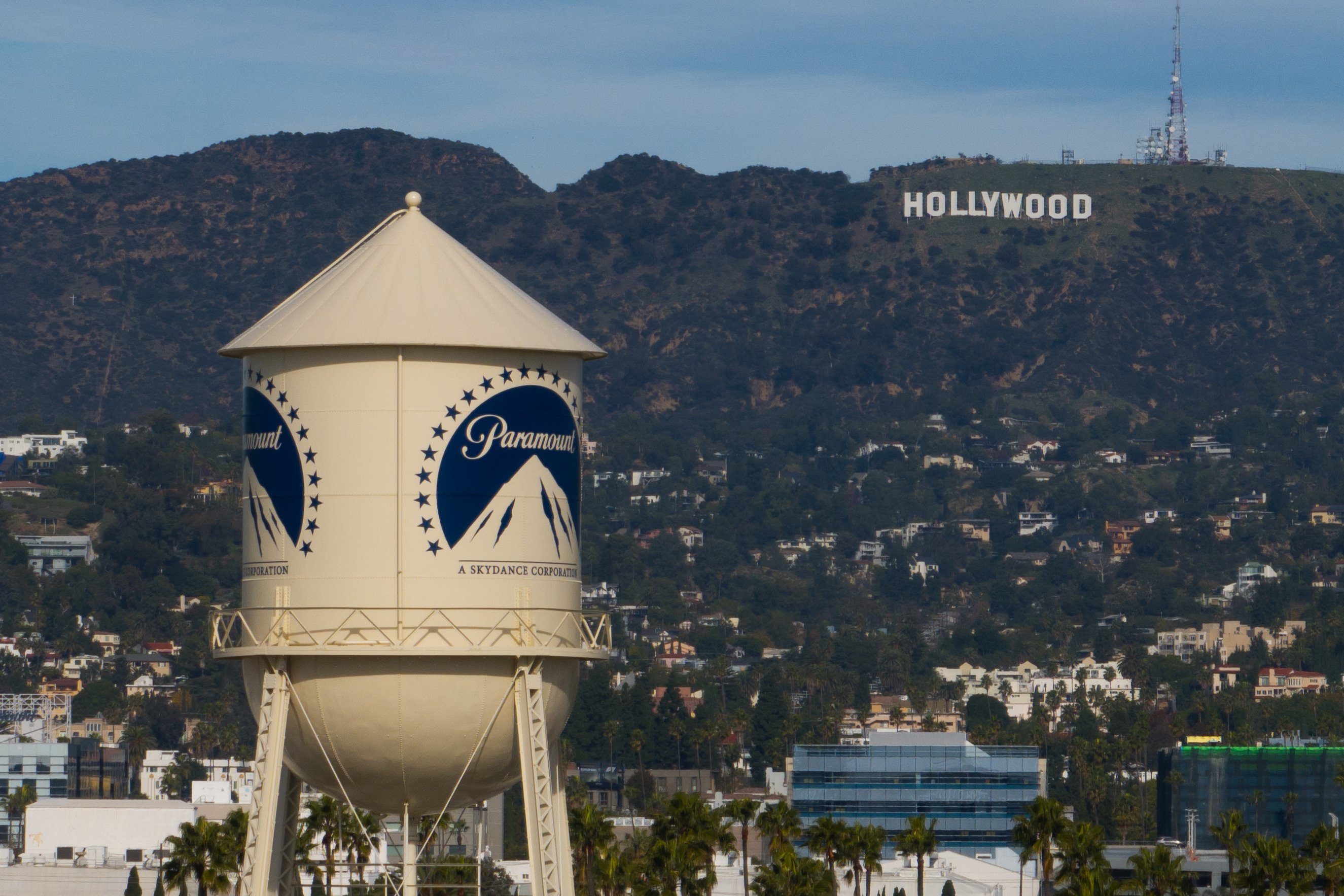
Paramount announced Friday that it will postpone its planned $111 billion acquisition of Warner Bros. Discovery, yielding to pressure from a multistate antitrust lawsuit filed by a dozen attorneys general. The agreement, disclosed in a joint court filing, freezes the merger until a judge delivers a final decision or until June 2027 at the latest.
The move follows a California judge's decision earlier this week to grant a two-week pause on the deal while she weighs allegations of antitrust violations. Judge Araceli Martínez-Olguín of the Los Angeles Superior Court approved the temporary halt on Monday at the request of state Attorney General Rob Bonta, who argued the merger would stifle competition in the entertainment industry.

New York Attorney General Letitia James, a Democrat leading the coalition of 12 states, celebrated the development as a win for workers and consumers. “From the workers and artists who bring stories to life to the families who buy tickets at the box office, Paramount’s illegal takeover of Warner Bros. is a bad deal for all those who count on a competitive entertainment industry,” James said in a statement. “Halting this merger while our case proceeds is a critical victory in our efforts to uphold the law and protect the film and television industries. I look forward to continuing our case to stop this illegal merger.”
The lawsuit, filed by a bipartisan coalition of state attorneys general, argues that the combination of Paramount and Warner Bros. Discovery would create a dominant force in film and television production, distribution, and exhibition, ultimately harming competition and raising prices for consumers. The states are seeking a permanent injunction to block the merger.
Paramount, however, struck a defiant tone. A company spokesperson called the new agreement “a significant win,” saying it provides “a direct path to a trial based on the evidence.” The spokesperson added, “This is the fastest and clearest way to prove that this transaction is good for competition, good for consumers, and good for creators, a conclusion dozens of competition authorities around the world have already reached. Plaintiffs’ market definitions bear no relationship to the realities of today’s marketplace and cannot withstand scrutiny. We look forward to proving our case at trial.”
The merger has drawn intense scrutiny not only from state regulators but also from federal authorities and lawmakers. Earlier this year, a shareholder lawsuit alleged that Paramount’s controlling shareholders, the Ellison family, struck a secret deal with former President Trump to secure regulatory approval, a charge the company has denied. Separately, the FCC chair has suggested that California might drop its lawsuit if Paramount agrees to spin off CNN as part of the merger.
The delay is a setback for Paramount’s aggressive expansion strategy, but the company insists it will ultimately prevail. The case now moves toward a full trial, which could reshape the landscape of Hollywood and the broader media industry. For now, the fate of the $111 billion deal hangs in the balance, with the next legal steps expected in the coming months.
The Hill’s Dominick Mastrangelo contributed reporting.