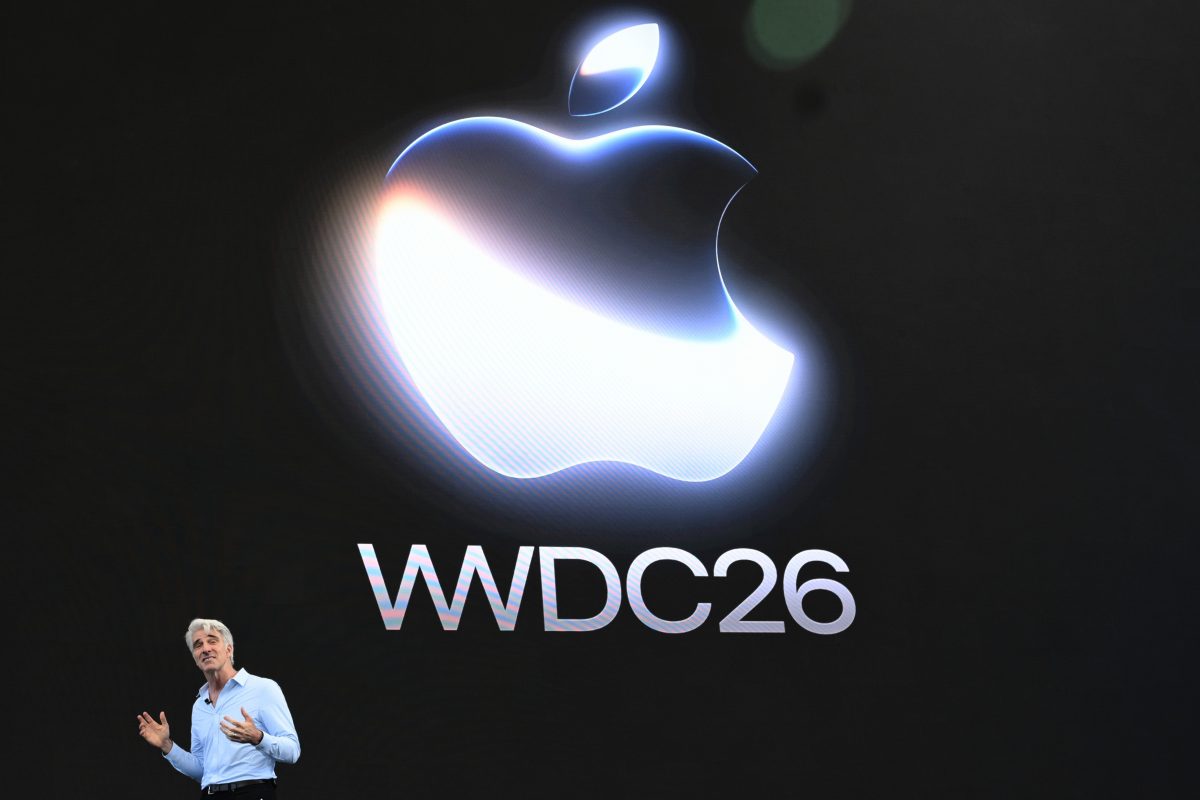
Apple officially unveiled iOS 27 at its annual Worldwide Developers Conference, continuing its shift to a year-based naming system after last year's jump from iOS 18 to iOS 26. The new update is expected to roll out this fall, aligning with the company's typical release cycle, but device eligibility remains a key question for users.
Following the pattern set in 2025, Apple has moved away from sequential numbering to match the operating system version with the launch year. This means iOS 27 is the successor to iOS 26, and the company has confirmed that the update will be available for download in September, alongside the release of new hardware.

Device Compatibility: Which iPhones Will Get iOS 27?
Not every iPhone currently supported will make the cut. According to Apple's preliminary list, iOS 27 will be compatible with iPhone 15 and later models, effectively dropping support for the iPhone 14 series and older devices. This marks a significant shift, as previous updates had supported devices up to five years old. The move is likely driven by the hardware requirements for the new AI features, particularly the enhanced Siri capabilities.
For iPads, iPadOS 27 will require an iPad with an M-series chip or later, excluding many older iPad Pro and standard iPad models. Apple has not yet provided a full compatibility list, but leaks suggest that devices with less than 6GB of RAM may not support the full suite of Apple Intelligence features.
New Features: Siri Gets a Major AI Overhaul
The centerpiece of iOS 27 is the revamped Siri, which Apple is branding as a standalone AI assistant with its own dedicated app. The company describes Siri as "an even more capable AI assistant with expanded intelligence to be more helpful every day" — a clear pivot toward competing with rivals like ChatGPT and Google Assistant. The update will integrate deeper with third-party apps and offer contextual awareness, allowing Siri to perform complex tasks like drafting emails or summarizing documents based on user behavior.
Apple Intelligence, the broader AI platform introduced with iOS 26, will also see upgrades, including improved photo editing, real-time language translation, and proactive health monitoring. However, some of these features may require an internet connection and a compatible device, potentially limiting functionality on older hardware.
Political and Economic Context
The iOS 27 announcement comes amid broader geopolitical and economic tensions that could affect Apple's supply chain and pricing. The ongoing conflict in Iran, which has disrupted global energy markets, has already contributed to rising costs for tech components, as noted in a recent poll showing that the Iran conflict deepens cost-of-living crisis, with a majority faulting Trump. Additionally, Apple's reliance on overseas manufacturing faces scrutiny as trade policies shift under the current administration, with Trump's vendettas threatening GOP Senate majority as primary fights backfire.
For consumers, the narrowing device compatibility may accelerate upgrade cycles, potentially boosting Apple's revenue but also raising concerns about electronic waste and affordability. Analysts predict that iOS 27 could drive a significant number of users to purchase the iPhone 16 or later models, especially if older devices become obsolete for essential apps.
Release Timeline and Final Thoughts
Apple typically releases the final version of iOS in September, following a beta testing period that begins in June. Developers can access the first beta immediately, with a public beta expected in July. The exact date will likely coincide with the company's annual fall event, where new iPhones are also announced.
For users holding onto older devices, the update may be a deciding factor in whether to upgrade. As the tech landscape becomes increasingly tied to AI, Apple's decision to limit support could spur a broader debate about planned obsolescence and the environmental impact of rapid hardware turnover.