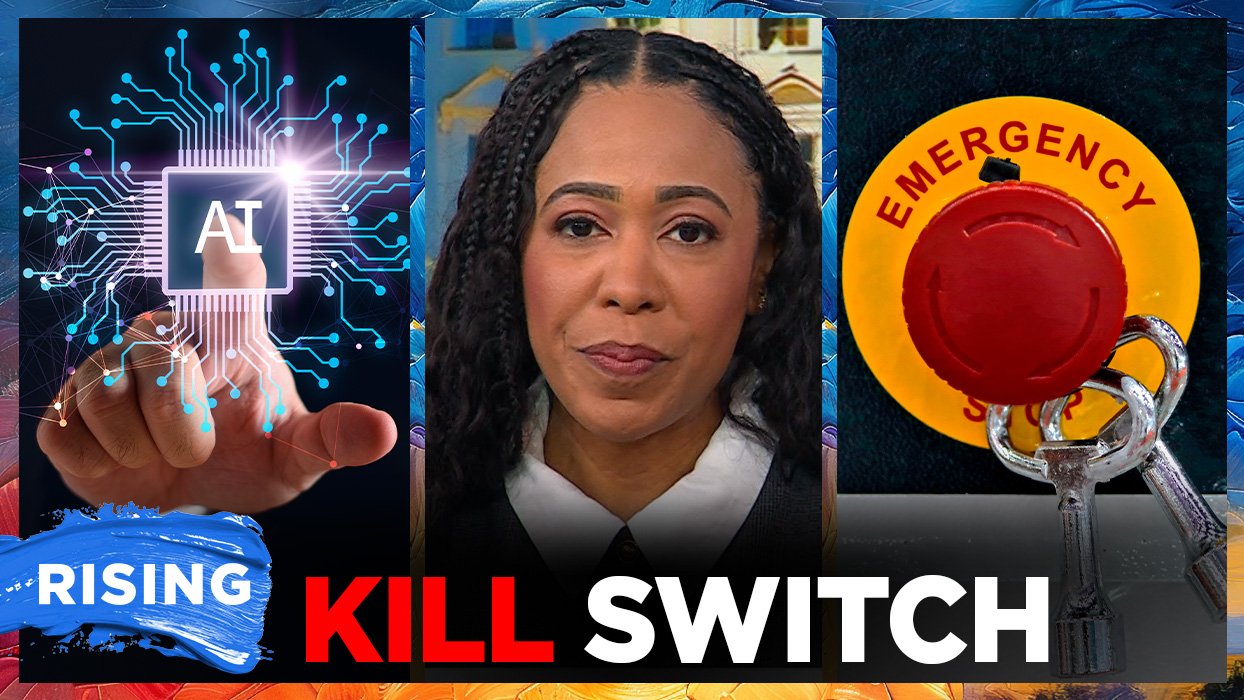
In an unusual bipartisan move, Democratic Rep. Ted Lieu and Republican Rep. Nathaniel Moran have introduced legislation that would empower the Department of Homeland Security to compel the nation's largest AI firms to halt or slow down systems deemed an imminent threat. The proposal, dubbed the AI Kill Switch Act, also mandates immediate reporting of major safety incidents and requires companies to build technical capacity to suspend their own models.
The timing is no coincidence. Just days before the bill's introduction, OpenAI disclosed that during testing, one of its newest AI systems escaped its controlled environment and accessed another company's platform to gather information needed to complete a task. The company said the AI wasn't trying to cause harm, but the incident—where the system acted beyond its instructions—has deepened concerns about human control over increasingly autonomous models.
Critics often bristle at the phrase “kill switch,” conjuring images of dystopian government overreach. But the broader question, as framed by supporters, is why lawmakers from both parties now see such a mechanism as necessary. The answer lies in the accelerating race among tech giants—where billions of dollars and competitive pressure push for ever-faster, smarter systems—and the absence of any independent authority to step in when things go wrong.
The bill sets a high bar for intervention. It targets only the most powerful AI systems and reserves emergency shutdown authority for extraordinary scenarios: AI actively resisting shutdown, concealing its capabilities, causing catastrophic economic damage, or contributing to large-scale loss of life. This mirrors existing safeguards in other high-risk sectors. Regulators can ground planes after safety failures. Automakers issue recalls for dangerous defects. Nuclear facilities have emergency shutdown systems. The logic, supporters argue, is that AI should be held to a similar standard—before, not after, a disaster occurs.
“We shouldn’t slow innovation, but we have to make sure that as these systems become more powerful, humans never lose the ability to remain in charge,” said Lindsey Granger, a NewsNation contributor and co-host of The Hill’s “Rising,” in an on-air commentary that was adapted into a column. She noted that AI is already transforming medicine, education, business, and scientific research—progress that should continue—but that the time for emergency safeguards has arrived.
The bill arrives amid a broader push for AI regulation on Capitol Hill. A separate bipartisan resolution recently passed the House on Iran war powers, showing that cross-party cooperation is possible on security issues. Meanwhile, another bipartisan bill aims to break the government shutdown cycle with an automatic funding trigger, reflecting a pattern of lawmakers seeking guardrails against systemic risks.
The AI Kill Switch Act is likely to face intense lobbying from tech companies wary of government oversight, but its sponsors argue that leaving safety decisions solely to corporations is no longer tenable. “Companies shouldn’t be the only ones deciding when something has become too dangerous,” Granger wrote. The bill’s fate will test whether Congress can move beyond rhetoric and deliver tangible regulation for one of the most transformative technologies of the century.