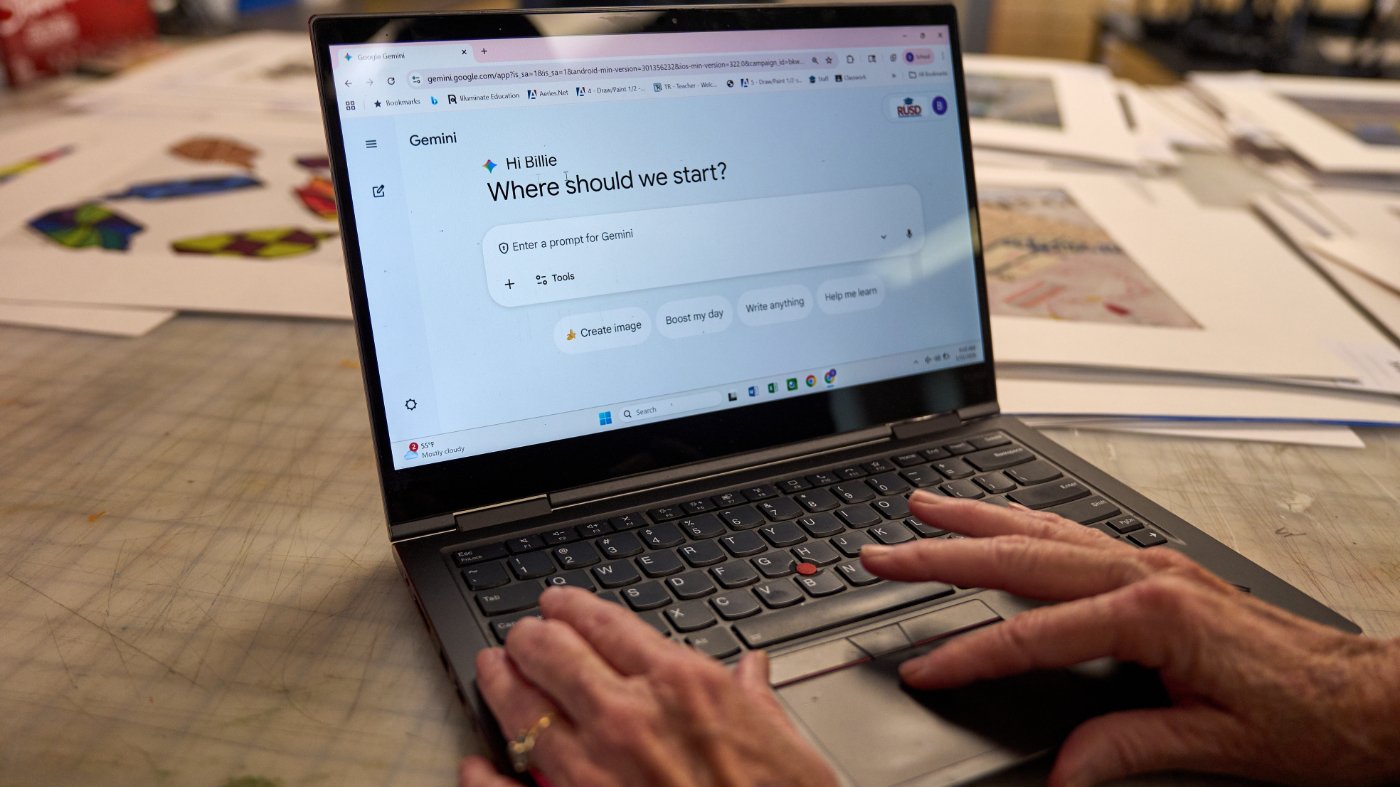
A significant survey released Thursday reveals that artificial intelligence is creating profound uncertainty among college students about their career paths, with nearly half reconsidering their chosen fields of study. The Lumina Foundation-Gallup 2026 State of Higher Education poll found that 47% of currently enrolled students have thought about switching majors "a great deal" or a "fair amount" specifically because of AI's growing influence on the workforce.
Demographic Divisions in AI Anxiety
The data shows clear demographic patterns in this academic reconsideration. Male students and those pursuing associate degrees reported higher levels of concern about AI's impact on their chosen fields, making them more likely to contemplate changing direction. This trend underscores how technological disruption is influencing educational decisions at a foundational level, potentially reshaping the future composition of various professional sectors.

Notably, the survey found that 16% of students have already acted on these concerns by switching their fields of study. The changes were most pronounced among students in vocational and technology programs, while those enrolled in healthcare or natural sciences demonstrated the greatest stability, being least likely to report having switched majors due to AI considerations.
Widespread Academic Adoption Despite Institutional Resistance
While AI is causing students to question their long-term career paths, it has simultaneously become deeply embedded in their daily academic experience. The survey reveals that 57% of students use AI tools weekly for coursework, with one in five using them daily. Usage patterns show distinct disparities: male students employ AI for academic purposes more frequently than female students, and business, technology, and engineering majors utilize these tools more extensively than their counterparts in humanities and healthcare fields.
This widespread adoption occurs against a backdrop of institutional resistance. According to the poll, 42% of students report that their schools actively discourage AI use for academic work, while 11% say their institutions prohibit it entirely. This creates a significant disconnect between student practice and institutional policy, reminiscent of previous technological disruptions in education that forced rapid policy reevaluations.
Practical Applications and Ethical Concerns
Students who use AI for coursework report two primary benefits: assistance in understanding complex material and significant time savings on academic tasks. These practical applications suggest AI is becoming an integral, if unofficial, component of modern higher education, transforming how students engage with challenging concepts and manage their workloads.
For the minority who avoid AI tools, ethical considerations dominate their reasoning. A vast majority of non-users cite concerns about the technology's ethics, while many point specifically to institutional bans and privacy worries as their primary reasons for abstention. This ethical divide highlights the ongoing debate about AI's proper role in education, a discussion that extends to how government oversight bodies are beginning to experiment with artificial intelligence in their own proceedings.
Broader Implications for Higher Education and Policy
The survey findings arrive amid broader conversations about educational equity and institutional accountability. The data suggests AI may be accelerating existing trends in major selection while creating new pressures on career counseling and academic advising systems. These developments occur as federal courts continue to deliberate on data collection practices in higher education, highlighting how technological, legal, and demographic forces are converging to reshape the academic landscape.
Ultimately, the Lumina-Gallup survey documents a pivotal moment in higher education's relationship with emerging technology. As artificial intelligence simultaneously becomes a source of career anxiety and a routine academic tool, institutions face mounting pressure to develop coherent policies that address both workforce preparation and academic integrity. The significant portion of students reconsidering their majors suggests that AI's impact extends beyond classroom applications to fundamental questions about future employability and economic security in an increasingly automated world.