A fresh analysis from LendingTree highlights a troubling trend: younger Americans, particularly Gen Z and millennials, are increasingly tapping personal loans to cover everyday costs like utility bills and groceries. The report, which examined loan request data, found that at least 10.5% of personal loan borrowers belong to Gen Z, signaling a shift away from using these financial products solely for major purchases.
Personal loans, traditionally reserved for consolidating debt or financing big-ticket items, are now being deployed to bridge gaps in household budgets. Major spending periods such as the winter holidays and back-to-school season exacerbate this reliance, as families struggle to keep up with routine expenses amidst persistently high prices.

State-by-State Breakdown
Louisiana leads the country in the share of personal loan requests tied to everyday bills, with 10% of such applications linked to basic living costs. This reflects broader financial strain in the state, which has also been a focal point in debates over economic policy and social issues. The state’s struggles are compounded by political dynamics, including ongoing legal battles over abortion pill access that could reshape national personhood laws.
Following Louisiana are New Hampshire, Pennsylvania, Arkansas, Indiana, and Kentucky. Alabama, Mississippi, and West Virginia tied for seventh place, while North Carolina and Virginia rounded out the top ten. These states, many with lower median incomes and higher poverty rates, illustrate the uneven financial pressures across the country. In West Virginia, for instance, the economic challenges are intertwined with competitive Senate primaries where candidates are vying to address constituents’ economic anxieties.
Inflation Adds to the Pressure
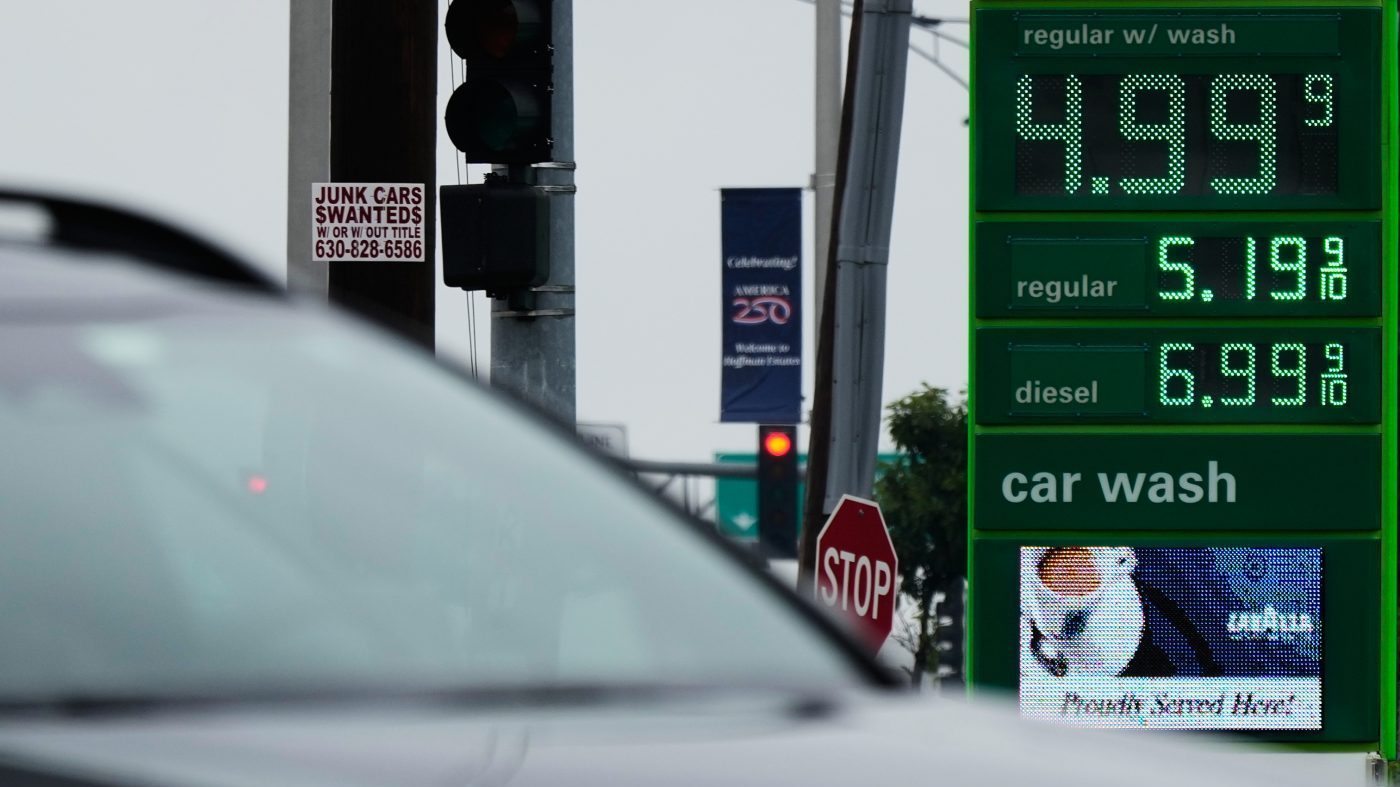
The report comes as the Labor Department announced that the consumer price index rose 3.8% in April compared to a year earlier, marking the largest inflation jump in years. On a monthly basis, prices climbed 0.6% from March, driven largely by a 5.4% surge in gasoline costs. Excluding volatile food and energy categories, core inflation increased 0.4% month-over-month and 2.8% year-over-year, suggesting that rising energy prices have yet to fully spill over into other sectors.
These inflationary trends are squeezing household budgets, particularly for younger workers who often have less savings and lower wages. The reliance on personal loans for daily expenses underscores a broader vulnerability among Gen Z and millennials, who are navigating a high-cost environment while also facing student debt and housing affordability challenges.
Financial experts warn that using personal loans to cover recurring bills can lead to a debt trap, with high interest rates and fees compounding over time. As the economy continues to adjust to post-pandemic shifts, policymakers are under pressure to address the underlying causes of financial insecurity, from wage stagnation to rising healthcare costs.
The data also highlights regional disparities that could shape political debates in upcoming elections. In states like Louisiana and West Virginia, where personal loan usage is high, voters may prioritize candidates who promise economic relief. Meanwhile, the broader trend of young borrowers turning to debt for survival raises questions about the long-term health of the consumer economy.