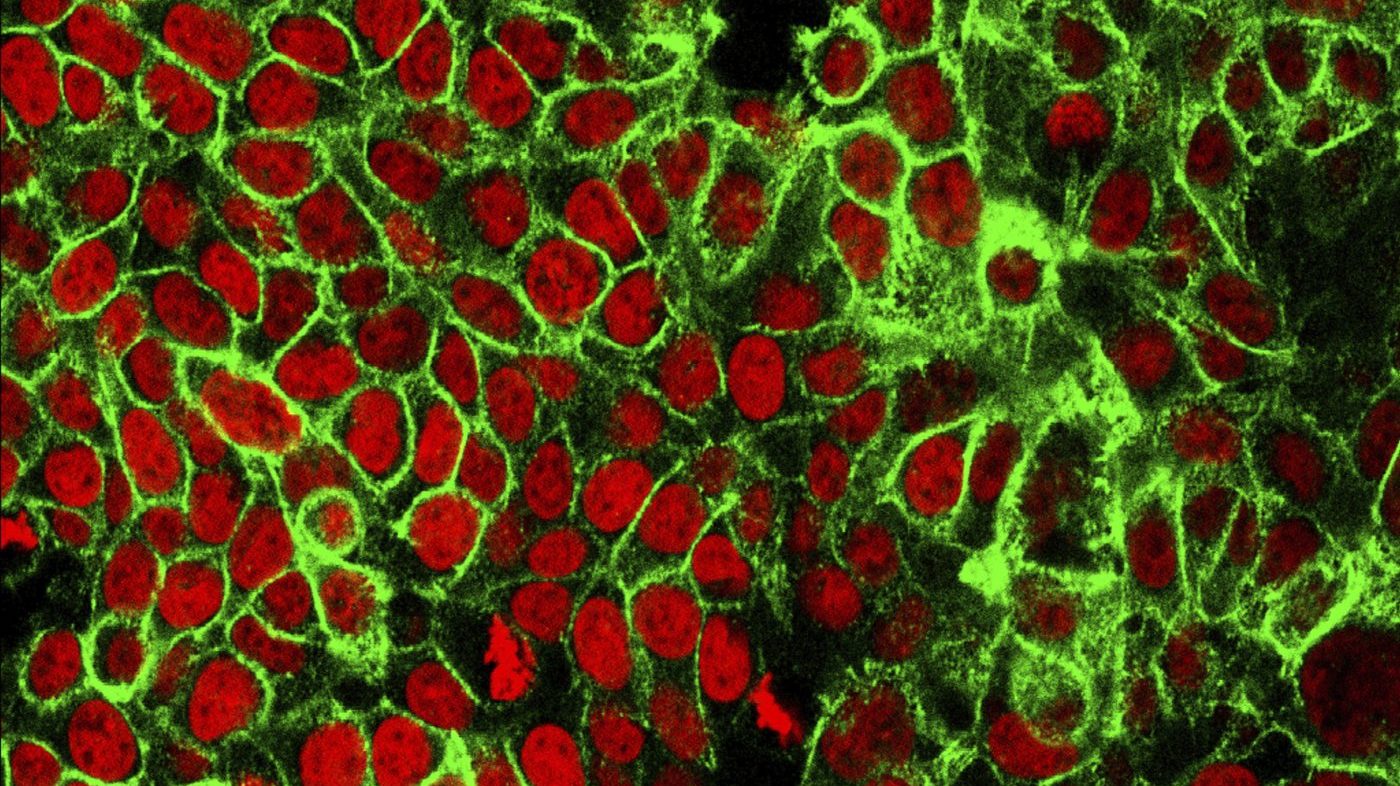
Colorectal cancer is undergoing a dangerous demographic shift. While incidence rates continue to fall for older Americans, they are rising sharply among adults under 50, with the disease now representing the leading cause of cancer death for that age group in the United States, according to the American Cancer Society. This reversal presents a critical challenge to established public health protocols, as routine screening is not broadly recommended until age 45.
A Diagnosis Against the Odds
Brooke Pangrazio, a 35-year-old mother of three from Alabama, embodies this alarming trend. She received a stage 4 colon cancer diagnosis at age 33, a full twelve years before the standard screening age. By the time it was discovered, the cancer had already spread to her liver and later to her lungs. "Right now I am treatable, but not curable," Pangrazio stated, describing a regimen of chemotherapy she receives every other week.

Her path to diagnosis was marked by dismissed symptoms. For years, she experienced changes in bowel habits and minor bleeding, which were attributed to hemorrhoids following childbirth. Later, unexplained weight loss, persistent fatigue, night sweats, and recurring fevers emerged. With no family history of the disease, cancer was not on her radar. "Google was like, 'This is an old person's cancer,'" she recalled, highlighting the pervasive misconception that has likely contributed to delayed diagnoses for many young patients.
A Systemic Failure for the Young
Pangrazio's case is not an outlier. An ACS analysis reveals a disturbing pattern: approximately 75% of colorectal cancers in adults under 50 are diagnosed at an advanced stage. Furthermore, the proportion of new cases occurring in adults under 65 has climbed to 45%, an 18% increase since 1995. This data suggests a systemic gap in early detection for younger populations, a failure that carries profound human and economic costs for families and the healthcare system.
Her treatment is grueling. She receives a hospital infusion followed by three days of continuous chemotherapy via a portable pump. "By Friday or Saturday, I'm feeling a lot better and then I have a whole week to pretend like I don't have cancer," she said, focusing on the joy of spending time with her children, aged 12, 7, and 4. A GoFundMe campaign organized by her sister has raised over $15,000 to help offset medical and travel expenses, a testament to the financial strain such crises can create, reminiscent of the pressures seen in other sectors like federal agencies grappling with workforce funding.
Advocacy and the Search for Joy
Pangrazio is now using her experience to urge other young adults to aggressively advocate for their health. "I feel like I'm pretty relatable. I'm a mom. I've got three kids. I hope just hearing my story will help somebody," she said. Her message is direct: "Talk to your doctor. Ask for a colonoscopy." She emphasizes listening to one's body and pushing for answers when something feels wrong, hoping others can avoid a late-stage diagnosis.
Despite the prognosis, she maintains a determined positivity. "What good would it do to be sad about it? It wouldn't change anything," Pangrazio explained. "As much as chemo sucks, it's giving me the ability to be here with my children, so I'm very grateful and thankful for it." She holds hope that medical advances will extend her life and potentially make her eligible for curative surgery one day.
The rising tide of early-onset colorectal cancer intersects with broader policy debates about preventive care, insurance coverage, and medical research funding. As the demographic profile of this disease changes, it forces a re-evaluation of long-standing guidelines, not unlike the recalibrations required in energy and industrial policy amid shifting economic pressures. For Brooke Pangrazio and a growing number of young adults, the policy implications are immediate and deeply personal, measured in weeks between chemotherapy sessions and moments of joy seized with family.