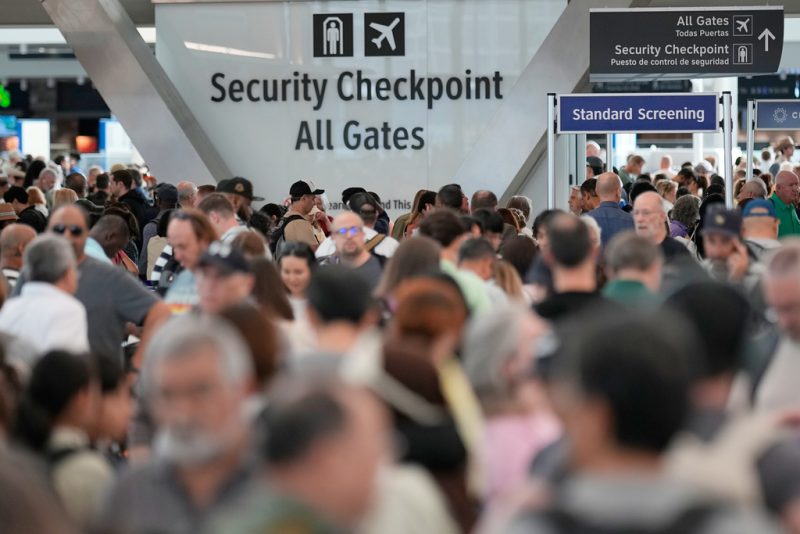
The Transportation Security Administration issued a stark warning Wednesday that security checkpoint wait times at U.S. airports have reached unprecedented levels, with the agency's leadership stating the situation has become so severe it may force the temporary closure of some facilities. The crisis stems directly from the ongoing partial government shutdown, which has left thousands of federal employees, including TSA officers, working without pay.
Staffing Collapse at Security Checkpoints
During a hearing before the House Homeland Security Committee, TSA Acting Administrator Ha Nguyen McNeill revealed that multiple airports are experiencing agent callout rates exceeding 40%. This massive absenteeism among unpaid workers has forced the agency to consolidate security lanes, creating bottlenecks that are delaying travelers across the national air system. "We are being forced to consolidate lanes and may have to close smaller airports if we do not have enough officers," McNeill testified. She described the operational environment as "a fluid, challenging and unpredictable situation."
The staffing crisis represents a rapid deterioration of airport security operations that had been relatively stable in the shutdown's early weeks. As the lapse in funding extends into record territory, the financial strain on essential personnel has reached a breaking point. This critical staffing shortage now threatens the basic functioning of the nation's aviation security apparatus.
Broader Homeland Security Implications
The TSA's warning comes amid broader disruptions across the Department of Homeland Security, where approximately 25% of employees are affected by the funding lapse. The situation has prompted unusual measures, including the controversial deployment of ICE officers to airport security details, a move that has drawn criticism from union leaders who call it an ineffective distraction from the core problem of unpaid TSA staff.
Congressional efforts to resolve the impasse have repeatedly stalled. A recent bipartisan resistance derailed what appeared to be a potential DHS funding agreement, ensuring the shutdown—now the longest in American history—continues with no clear resolution in sight. The political deadlock centers on border security funding, leaving agencies like TSA caught in the crossfire.
The operational consequences extend beyond passenger inconvenience. Security experts warn that understaffed checkpoints and overworked personnel create vulnerabilities that could be exploited. The TSA has already acknowledged that the staffing crisis could impact security planning for major events, including concerns about upcoming World Cup security preparations.
Passenger Impacts and Political Fallout
For travelers, the immediate effect is tangible: hours-long waits at security checkpoints, missed flights, and growing uncertainty about whether airports will remain open. The breakdown in normal operations has driven a significant surge in enrollment for paid expedited screening programs like TSA PreCheck, creating what critics describe as a two-tiered security system accessible primarily to those who can afford it.
The political ramifications are intensifying as well. The airport disruptions represent the most visible daily impact of the shutdown for millions of Americans, transforming an abstract Washington budget fight into a concrete travel nightmare. With pressure mounting from both affected federal workers and inconvenienced constituents, lawmakers face increasing demands to find a resolution before the aviation system experiences more severe breakdowns.
McNeill's testimony before Congress marked one of the most dire assessments yet from an agency head directly affected by the funding lapse. Her warning about potential airport closures—previously considered an unlikely worst-case scenario—signals that the shutdown's consequences are escalating from bureaucratic inconvenience to systemic failure. As the standoff continues without a clear path forward, the stability of the nation's aviation security system hangs in the balance.