University System Leader Removed Without Stated Cause
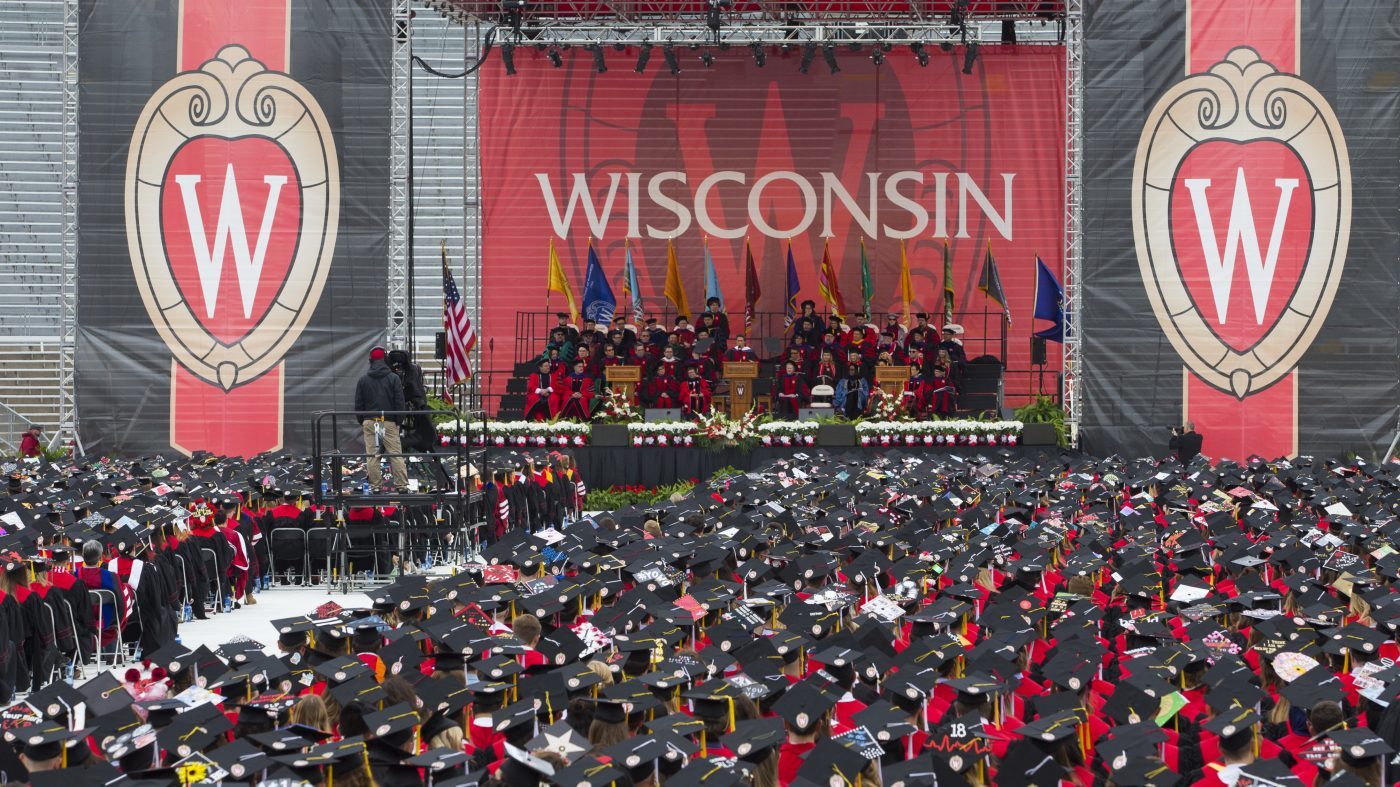
The University of Wisconsin Board of Regents voted unanimously on Tuesday to terminate system President Jay Rothman, ending his four-year tenure. The dismissal came after Rothman declined requests to resign voluntarily, setting off immediate accusations of political interference in the state's higher education leadership.
"Blatant Partisan Hatchet Job"
Republican State Senate President Patrick Testing condemned the action in a statement to The Associated Press, labeling it a "blatant partisan hatchet job." He asserted that Rothman's "only crime was his willingness to work with lawmakers on both sides of the aisle to get things done," and claimed the president was fired for "not being liberal enough." The board, composed mostly of Democratic appointees, did not publicly disclose specific grievances against Rothman prior to the vote.
According to the AP, Rothman had sent two letters to the board seeking justification for their apparent loss of confidence after initially being asked to step down. In a March 26 letter to the board president, Rothman wrote, "When I asked you to articulate reasons for the Board's conclusion and apparent lack of confidence in me, you merely noted that each Regent has his or her own perspective on the matter. You did not provide any tangible reasons for the Board's determination."
Navigating Political Crossfire
Rothman's presidency was marked by the challenging task of balancing demands from a Republican-controlled legislature and a board dominated by Democratic appointees. A pivotal moment came in 2023 when he negotiated a deal with GOP lawmakers that scaled back diversity, equity, and inclusion hiring initiatives in exchange for critical funding. The agreement drew sharp criticism from the Board of Regents and Democratic Governor Tony Evers, though the board ultimately reversed an initial vote and approved the arrangement.
That compromise secured pay raises for university employees and unlocked millions for campus construction projects. The system president role typically involves managing institutional budgets and conveying the needs of campus chancellors to the governing board, making Rothman's removal particularly disruptive during a leadership transition at the flagship Madison campus.
Employment law attorney Tamara Packard told the AP that Rothman's contract permitted dismissal without a stated reason and without appeal rights. While reportedly surprised by the termination, Rothman retains the option to pursue legal action if he believes his firing was unlawful. The move occurs as UW-Madison Chancellor Jennifer Mnookin prepares to depart for Columbia University, creating instability at the top of the state's premier public university system.
Governor Tony Evers expressed disappointment with the board's decision, highlighting the political tensions surrounding the dismissal. This development follows recent significant shifts in Wisconsin's judicial landscape, where liberals have consolidated power. The firing also emerges against a backdrop of intense political maneuvering in the state, as seen when voters recently headed to the polls in key tests for the 2026 political landscape.
The abrupt termination raises questions about governance and political influence in public higher education, reflecting broader national debates over university leadership and ideological control. With no successor immediately named, the Wisconsin system faces uncertainty during a period of significant financial and operational challenges for public universities nationwide.