Judicial and Congressional Races Offer Early Gauge of Voter Sentiment
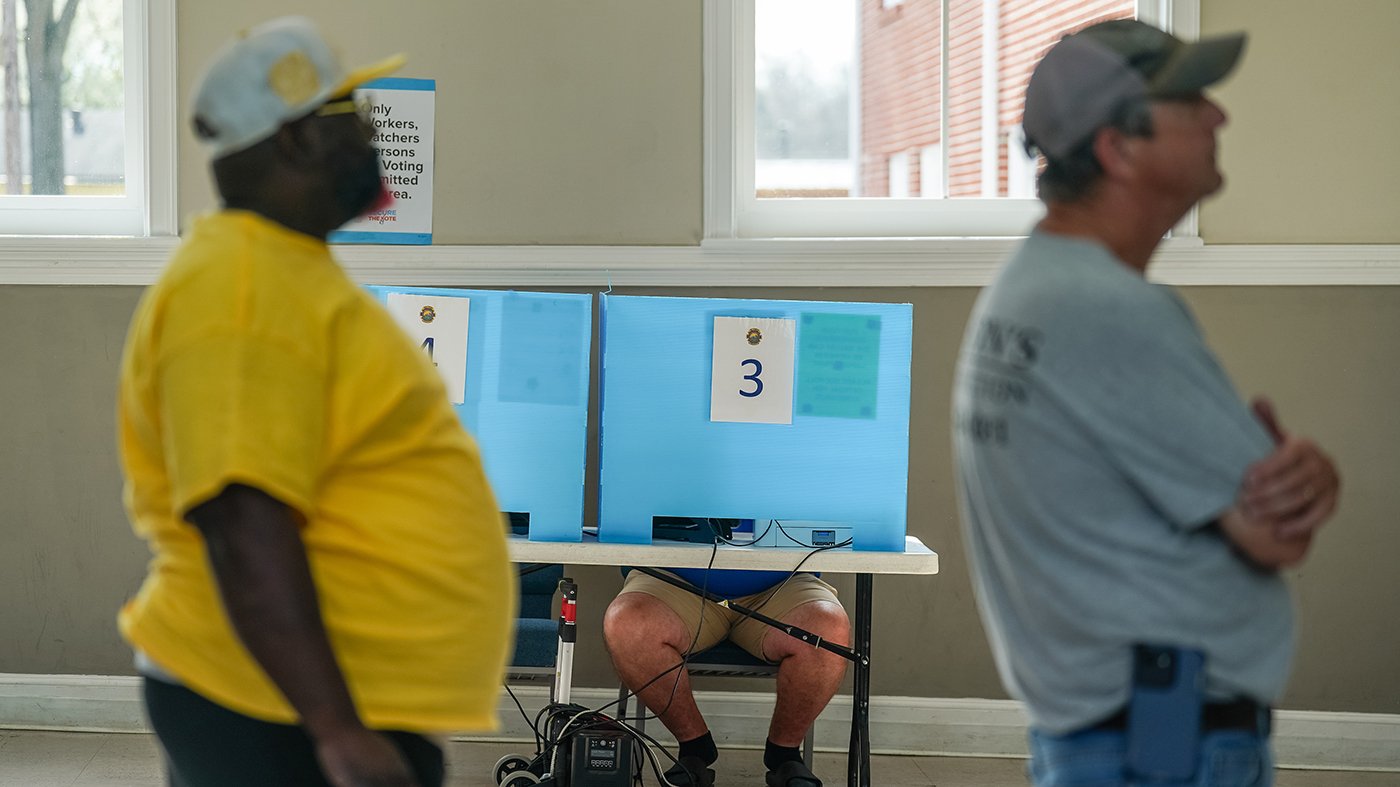
Voters in Wisconsin and Georgia's 14th Congressional District are participating in elections on Tuesday that political analysts view as early indicators of the national climate heading toward the 2026 midterms. The outcomes could signal shifts in voter enthusiasm and party strength in these perennial battlegrounds.
Wisconsin Supreme Court: Liberals Aim to Widen Majority
In Wisconsin, the election centers on an open seat on the state's highest court. Democratic-backed candidate Chris Taylor faces conservative Maria Lazar. A victory for Taylor would expand the court's existing liberal majority from 4-3 to a more commanding 5-2 margin. This contest has drawn significantly less national attention and spending than the record-breaking judicial race last year, largely because control of the court is not at stake.

Notably, President Trump has remained silent in this race, a stark contrast to his and tech billionaire Elon Musk's aggressive involvement in the 2025 Wisconsin election. Political observers attribute this distance to Trump's declining popularity in the state. A recent Marquette Law School poll placed his approval rating at 42%, a significant drop from earlier in his term.
Taylor holds substantial advantages in both fundraising and polling. Her campaign has effectively focused on issues like abortion rights to mobilize progressive voters. Some Wisconsin Republican operatives have privately criticized Lazar's campaign for failing to energize the GOP base, highlighting broader organizational and financial challenges for the state party.
Georgia's 14th District: GOP Poised to Hold Safe Seat
Meanwhile, northwest Georgia voters are deciding a special election runoff to fill the House seat vacated by former Rep. Marjorie Taylor Greene. Republican Clay Fuller, who has Trump's endorsement, faces Democrat Shawn Harris. The district is heavily Republican; Trump carried it by approximately 37 points in 2024, and Greene won her last election by a roughly 30-point margin.
Despite Harris leading in fundraising and securing support from prominent Democrats like Senator Raphael Warnock, a Democratic victory is considered a long shot. The runoff was triggered after no candidate secured a majority in the initial March contest. A Fuller win is expected to slightly bolster the Republican Party's narrow majority in the House of Representatives as both parties look toward the 2026 elections. Greene, who left Congress after a public feud with Trump, has not been involved in the race to succeed her.
Broader Political Implications
Tuesday's results will be scrutinized for clues about voter engagement and party infrastructure. In Wisconsin, a Democratic judicial victory would continue a trend of liberal successes in state high court elections since 2019. It would also occur against the backdrop of other national security pressures, as the administration concurrently deals with a tense ultimatum to Iran.
For Republicans, holding the Georgia seat is a baseline expectation. The greater concern may be the apparent struggles of the Wisconsin GOP in a statewide contest, which some insiders blame on candidate quality and campaign strategy. Wisconsin GOP Chair Brian Schimming has pushed back on narratives of party decline, pointing to Republican control of the state legislature and key congressional districts.
These off-year elections serve as a preliminary temperature check in states that will be central to the next presidential election. They also highlight the evolving strategies of both parties as they test messages and mobilize bases ahead of a busy election cycle that will include contests for the 2028 presidential nomination.