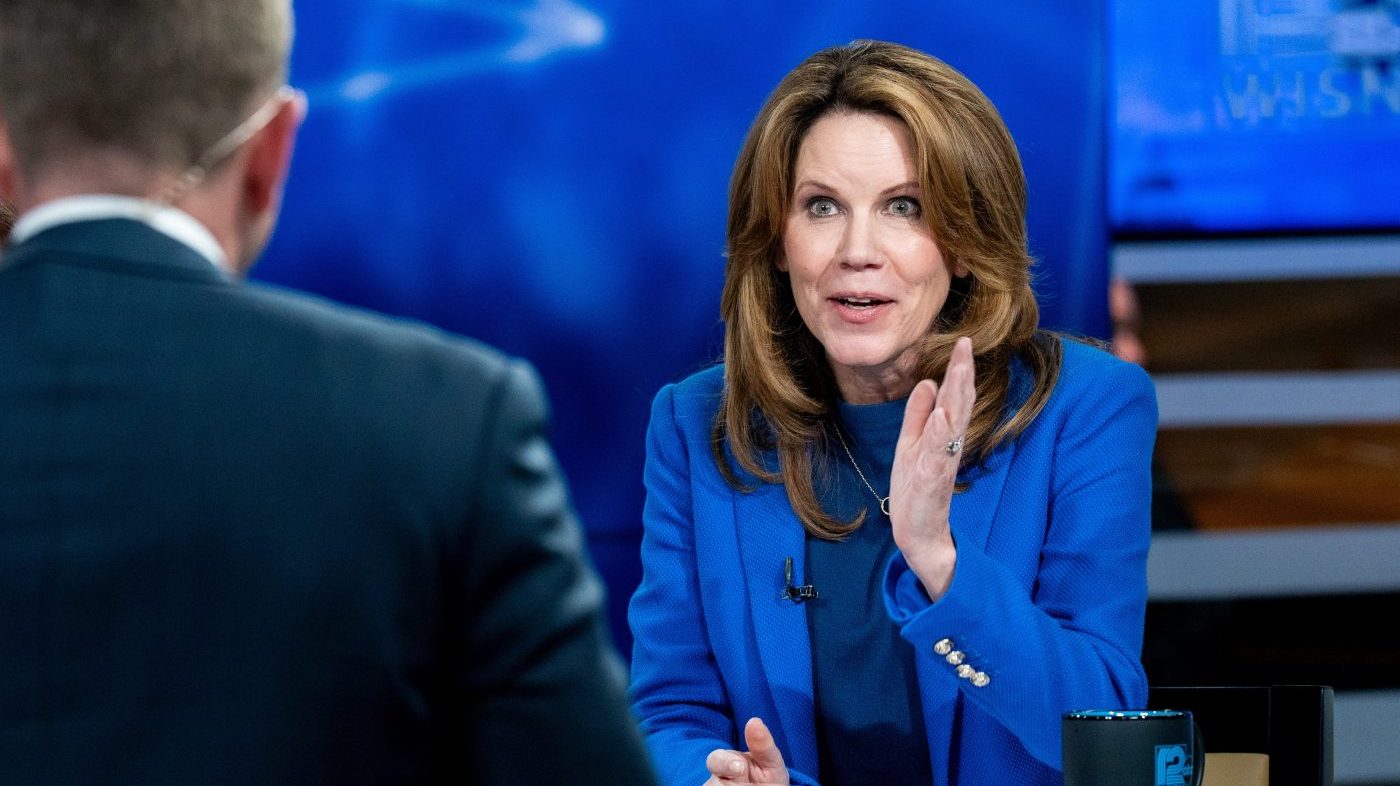
Judge Chris Taylor, backed by Democratic-aligned groups, has secured a seat on the Wisconsin Supreme Court, decisively expanding the court's liberal majority in a state where judicial elections have become fiercely partisan battlegrounds. According to projections from Decision Desk HQ, Taylor defeated conservative appellate colleague Judge Maria Lazar for the open seat, which was vacated by conservative Justice Rebecca Bradley.
Shifting Judicial Balance
The victory transforms the court's ideological composition from a 4-3 liberal edge to a more commanding 5-2 majority. This represents a rapid consolidation of power for Democrats, who only three years ago flipped the court from conservative control. The speed of this shift underscores how judicial elections in pivotal states like Wisconsin have become central to national political strategy.
"Chris Taylor's decisive victory marks changing tides in Wisconsin," said Democratic Legislative Campaign Committee Chair Heather Williams in a statement. "Our next step is taking this same strategy to the state legislature, where we are poised to flip both chambers blue this November." The win provides Democrats with a stronger judicial hand on critical issues likely to come before the court, including abortion access, election law, and redistricting.
A Contrast to Previous High-Stakes Races
Unlike the intensely watched 2025 contest, this year's race garnered less national attention because partisan control of the court was not directly on the line. The previous election saw massive outside spending and high-profile endorsements, including from former President Donald Trump and tech billionaire Elon Musk, who backed conservative candidate Brad Schimel. Liberal candidate Susan Crawford ultimately defeated Schimel by a significant margin.
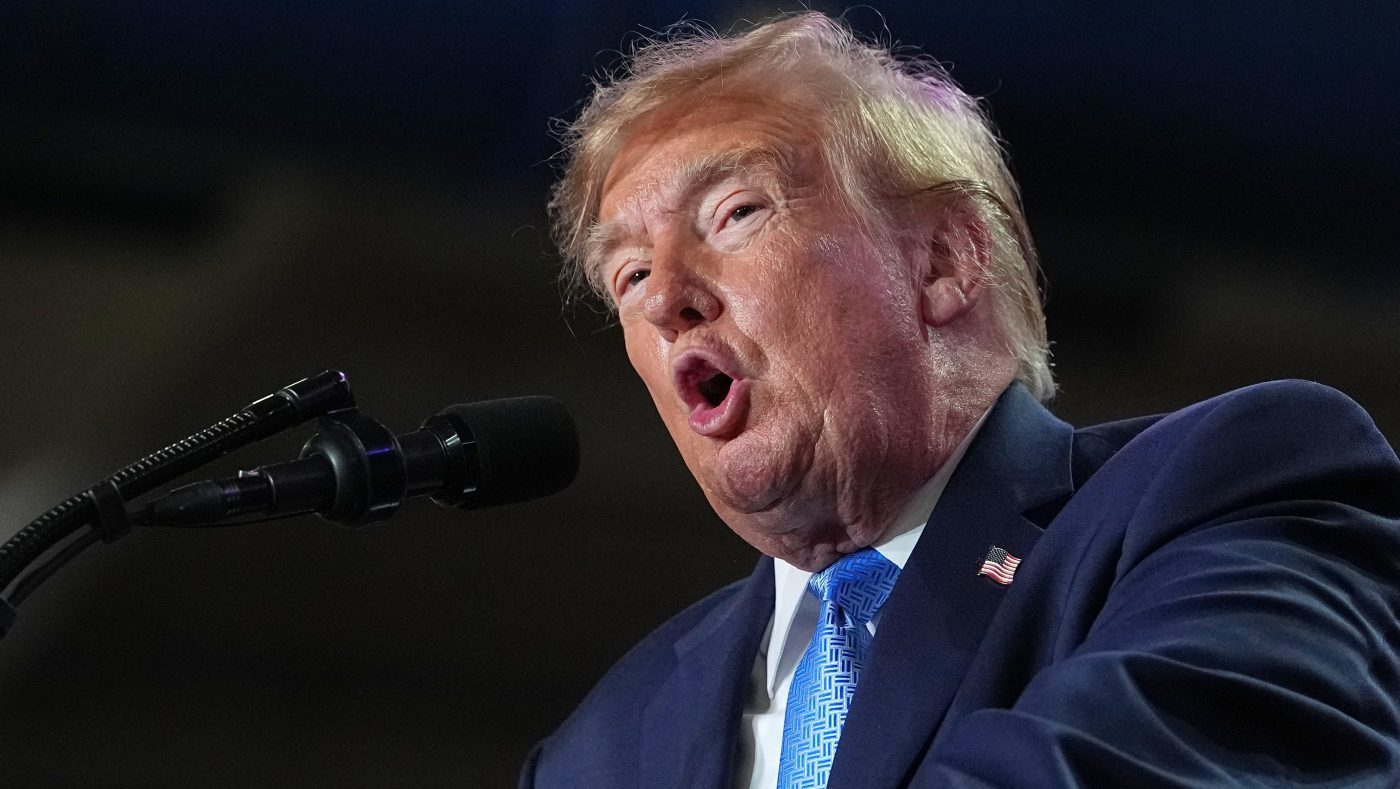
Notably, Trump was not involved in this week's election. His absence coincides with declining political standing in the state; a recent Marquette Law School poll showed his approval rating in Wisconsin at 42%, with 56% disapproval. The state remains a critical electoral prize, as seen when Wisconsin, Georgia voters head to the polls in key tests for the 2026 political landscape.
The Court's Consequential Role
The Wisconsin Supreme Court has been ground zero for major legal and political conflicts, adjudicating disputes over the 2020 election, legislative redistricting maps, and the state's abortion ban. The expanded liberal majority is expected to influence rulings on these and other contentious matters, such as workers' rights and environmental regulations. This judicial shift occurs as other courts make headlines, including a federal appeals court decision greenlighting Iowa's classroom restrictions on LGBTQ materials.
The court's decisions often have national reverberations, placing Wisconsin's judiciary at the center of America's political-legal wars. This dynamic mirrors tensions at the federal level, where Trump has recently launched attacks on the U.S. Supreme Court over rulings on birthright citizenship and tariffs.
Looking Ahead to 2026
The political focus now turns to the next judicial election in 2026, following conservative Justice Annette Ziegler's announcement that she will not seek reelection. That contest will offer conservatives an opportunity to reclaim a seat, though the liberal bloc will retain its majority regardless of the outcome. The continued importance of these races highlights how state supreme courts have become essential arenas for policy fights, especially when legislative branches are gridlocked.
Taylor's win reinforces a pattern of Democratic success in recent Wisconsin judicial elections and provides the party with increased confidence heading into the fall legislative campaigns. As both parties pour resources into state-level battles, the judiciary's role as an arbiter of deeply divisive issues is only set to grow, ensuring that Wisconsin remains a central front in the nation's political wars.