President Trump should consider endorsing Graham Platner, the Democratic nominee for U.S. Senate in Maine, as a calculated move to further his agenda of punishing Republicans he views as disloyal and elevating candidates who channel populist fury. While the idea may seem counterintuitive, it fits Trump's pattern of prioritizing personal vendettas over party unity, especially as his political influence wanes.
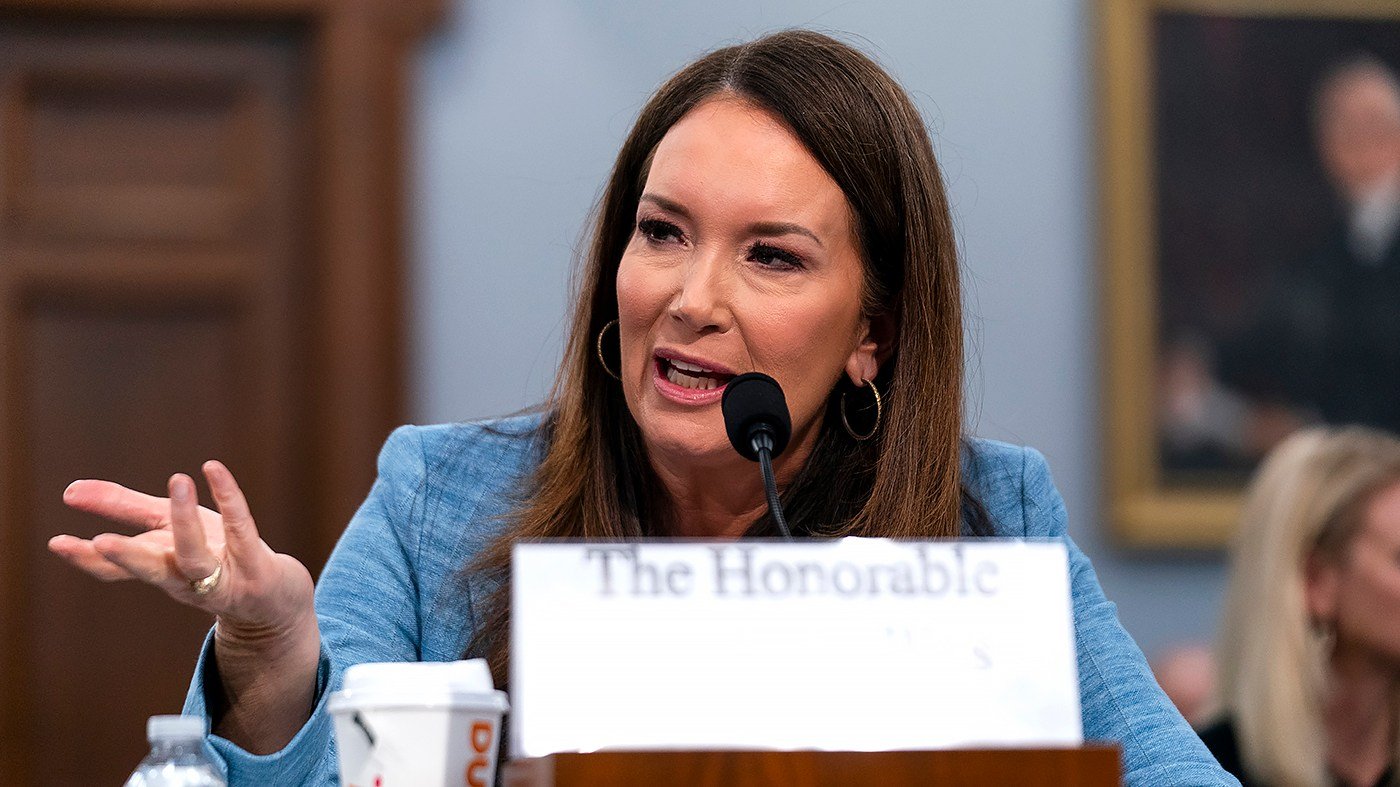
If Platner wins the Democratic primary, he would face Senator Susan Collins (R-Maine) in the general election. Collins has repeatedly crossed Trump: she voted to convict him after the January 6 Capitol riot, opposed his signature legislative efforts, and helped block his controversial attorney general pick, Matt Gaetz. Trump has publicly declared that Collins should never be elected again, making a Platner endorsement a direct weapon against her.
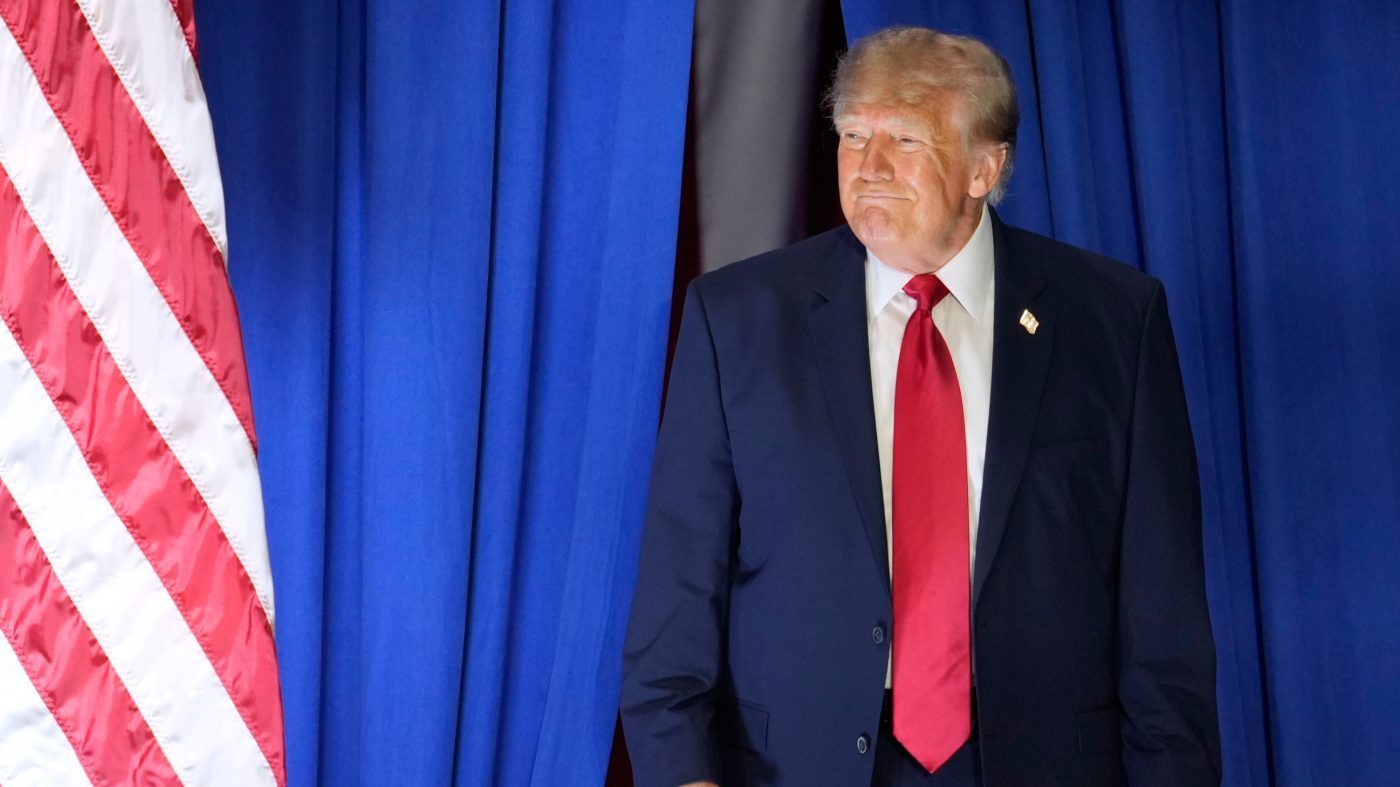
Trump's history with Republican women underscores his willingness to abandon them. He pressured Representative Elise Stefanik (R-N.Y.) to withdraw from a U.N. ambassador nomination, only to later deny her his endorsement for governor and back a rival who now trails badly. Similarly, he has used his influence to primary incumbents who defy him, as seen in Texas, where he backed scandal-ridden Ken Paxton to oust Senator John Cornyn.
In that race, Cornyn compared his fate to the fable of the frog and scorpion—a warning that Trump will sting even those who help him. For Collins, the message is clear: Trump would rather see her lose than tolerate her independence. As GOP lawmakers openly defy Trump on multiple fronts as midterms loom, endorsing Platner would reinforce his grip on the party.
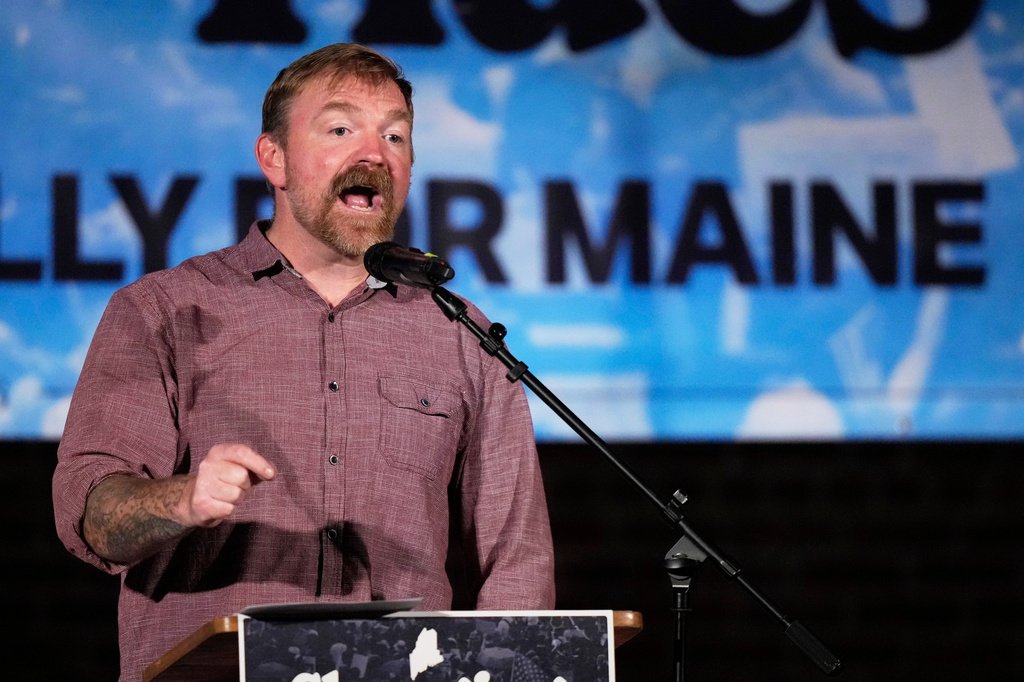
Platner brings significant baggage, including Nazi-SS tattoos and sexually explicit texts. Senate Democrats have privately expressed alarm about new allegations. Yet voters increasingly overlook personal flaws in favor of candidates who channel anti-establishment rage—a trend Trump himself exploited. Platner's appeal as a young, rural veteran and oyster farmer resonates with voters tired of high prices, AI fears, and wealth concentration.
Democratic voters, furious at GOP loyalty to Trump, now crave hell-raisers over moderates. As progressive podcaster Jennifer Welch puts it, they reject corporate Democrats who play patty-cake with fascists. Platner fits this mold, echoing the iconic Howard Beale from the film “Network”—mad as hell and ready to fight the status quo.
For Trump, endorsing Platner is consistent with his brand of personal revenge and populist disruption. He may soon swap his own campaign hats for Platner's, knowing the move would humiliate Collins and feed his ego, even if it risks Republican losses. Khanna defends Platner, noting Maine voters knew of his past, but critics like Fitzpatrick and Suozzi condemn him for lowering standards.
Ultimately, Trump's potential endorsement underscores his preference for loyalty over party success. As the midterms approach, his actions suggest he'd rather see the GOP lose without him than win with anyone who defies him.