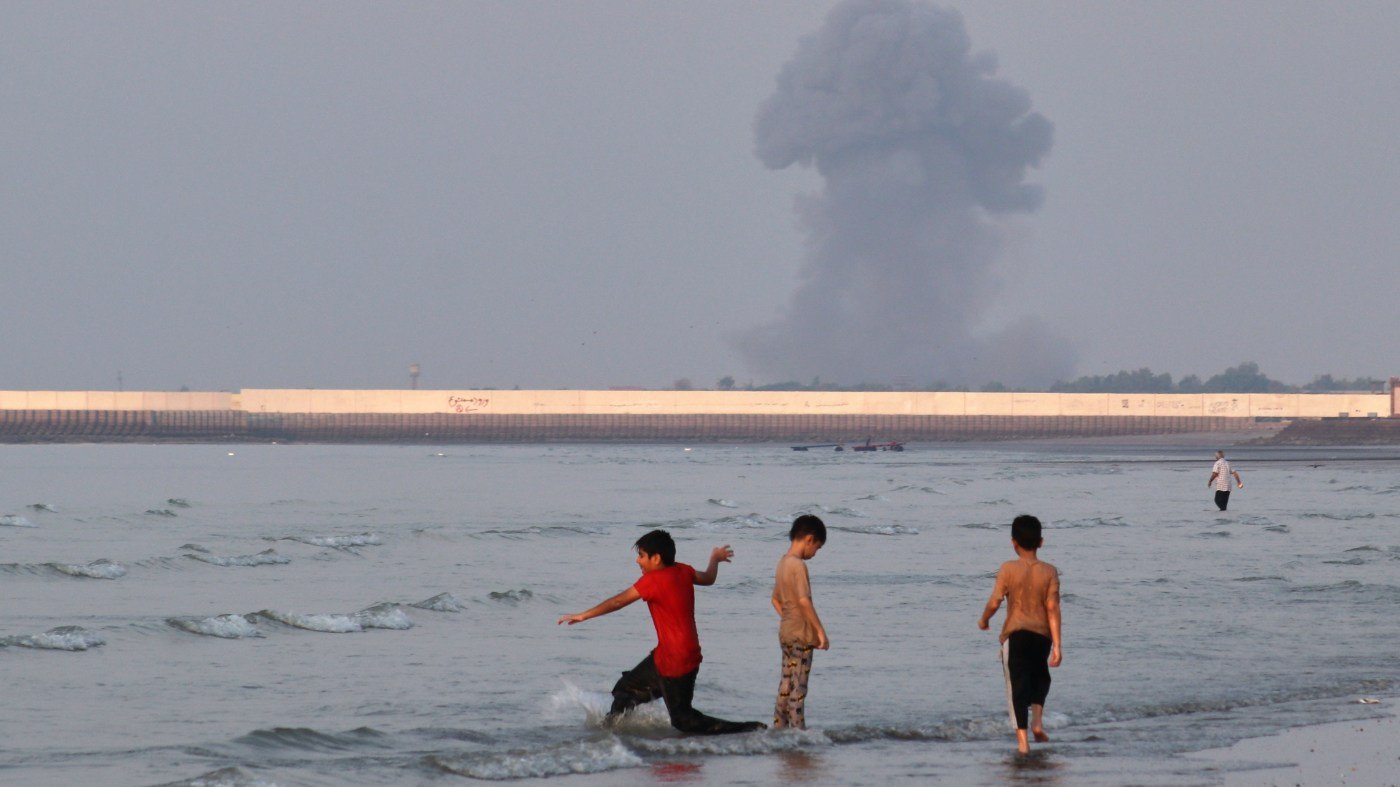
The Trump administration's economic warfare campaign against Iran, known as Operation Economic Outcast, is built on a dual-track strategy: collapsing Tehran's economy faster than the global economy buckles under the strain. But as the campaign grinds on, a growing number of analysts argue the naval blockade that enforces it has become a liability rather than an asset.
The blockade inflicts real pain on Iran, but that pain no longer offsets the risks it creates. The more pressing objective for Washington is extending the global economic runway by keeping energy flowing through the Strait of Hormuz and along the Omani coastline, a mission that does not necessarily require a blockade to succeed.
The logic of economic pressure
The original premise was straightforward: impose enough economic suffering on Iran to trigger internal unrest that could topple the leadership. That outcome remains uncertain, but not impossible. Tehran, however, has repeatedly signaled it will not simply absorb the punishment. Its military posture is described as "offensively defensive," meaning it will escalate rather than wait for a domestic uprising.
That sets up the central dilemma for the White House: escalation dominance. Iran has demonstrated both the willingness and the capability to strike Gulf energy and desalination infrastructure. American interceptor missile stocks are depleted, making it difficult to credibly guarantee protection against such a response. If Washington tightens the screws too far, Tehran will likely pull the trigger on Gulf targets, even at the cost of alienating its neighbors.
Alternatively, Iran may choose to target the U.S. warships enforcing the blockade as a more direct escalation that avoids damaging relations with Gulf states. Just last weekend, U.S. Central Command confirmed that Iranian ballistic missiles were fired at two American warships, forcing evasive maneuvers. A successful strike could produce a mass-casualty event, with thousands of U.S. troops still exposed at bases in Jordan.
The political calculus shifts
Once American blood is spilled, the political equation changes entirely. The question is no longer whether to escalate, but whether any president can afford not to. That is the path to another forever war in the Middle East.
The blockade also fails under either strategic scenario. If Project Freedom, the initiative to keep commercial ships moving through the Strait, cannot extend the global economic runway beyond Iran's, then Washington runs out of time before pressure yields results. The blockade does not fix that. If Project Freedom can keep the global economy afloat long enough for Iran's to break, then the blockade is unnecessary—sanctions and financial isolation can continue the job.
Removing the blockade won't save Iran
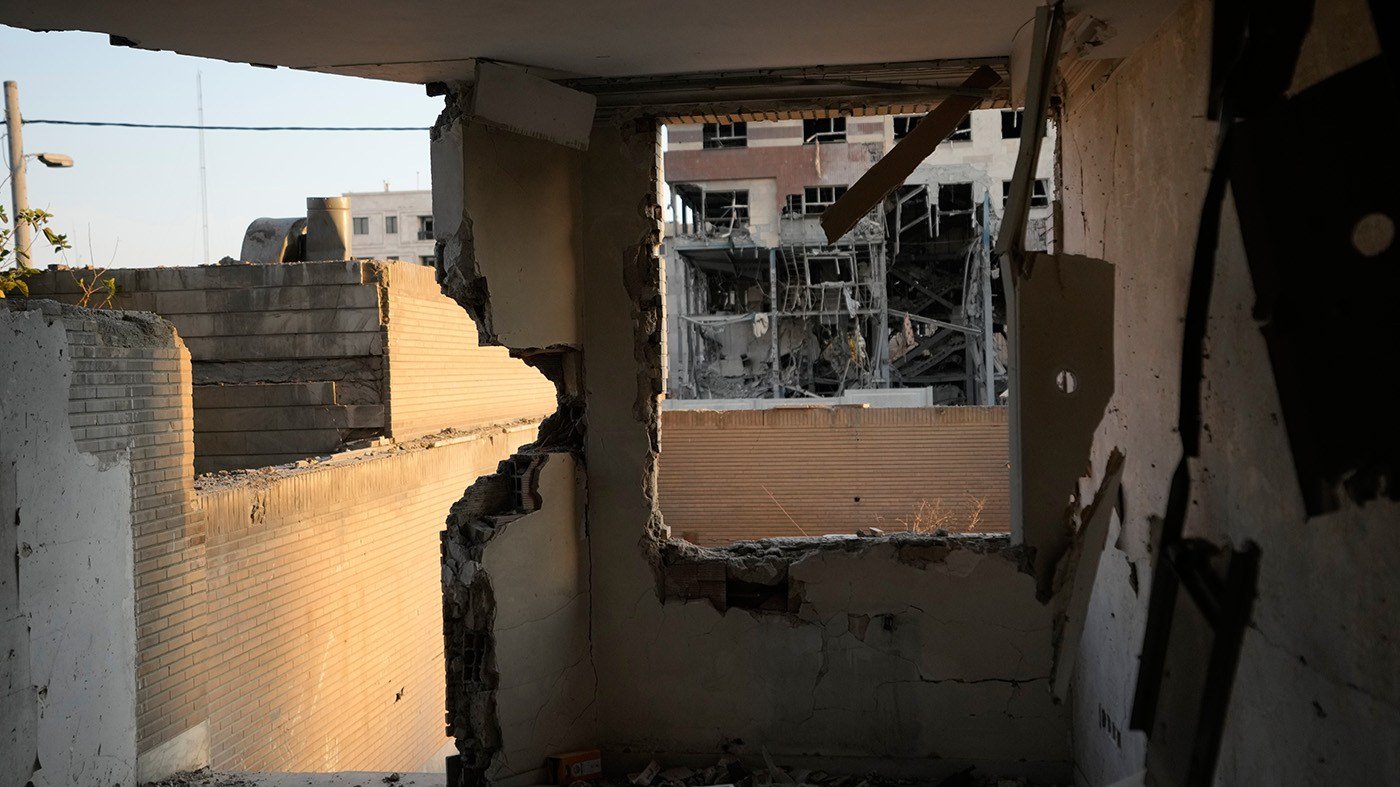
Lifting the blockade would not undo the roughly $100 billion in damage from U.S. bombing campaigns, nor the losses from two prior blockade rounds. It would not reopen the financial escape valves Treasury Secretary Scott Bessent is trying to seal. Iran's economy was already in dire shape before the war; inflation has skyrocketed and the rial has plunged to 2.2 million per dollar. The war deepened the crisis, not created it.
Removing the blockade would slow the deterioration, but it would not stop the clock. The strategic goal remains to make the global economy outlast Iran's. Whether the U.S. moves 8 million or 10 million barrels per day through the Omani route, the objective is the same: buy time.
Washington does not need to accelerate Iran's collapse by accepting catastrophic risk. It needs to ensure the global economy can endure longer than Tehran's. Iran's ability to escalate against Gulf infrastructure exists regardless of the blockade. The blockade simply adds American forces as an attractive target, and it accelerates Tehran's decision to use them.
The blockade does not solve the equation; it only makes the most dangerous outcomes more likely. The administration can't eliminate Iran's escalation dominance, but it can remove unnecessary pathways to it—starting with the blockade and reducing the American force posture that goes with it.
As the debate continues, the White House faces a choice between maintaining a symbol of pressure or reducing the risks of a wider war. The evidence increasingly suggests the blockade is a tripwire, not a lever. Political calculations at home may also weigh on the decision, as the president balances foreign policy with domestic optics.