Fed Nominee Sidesteps Election Question in Tense Exchange
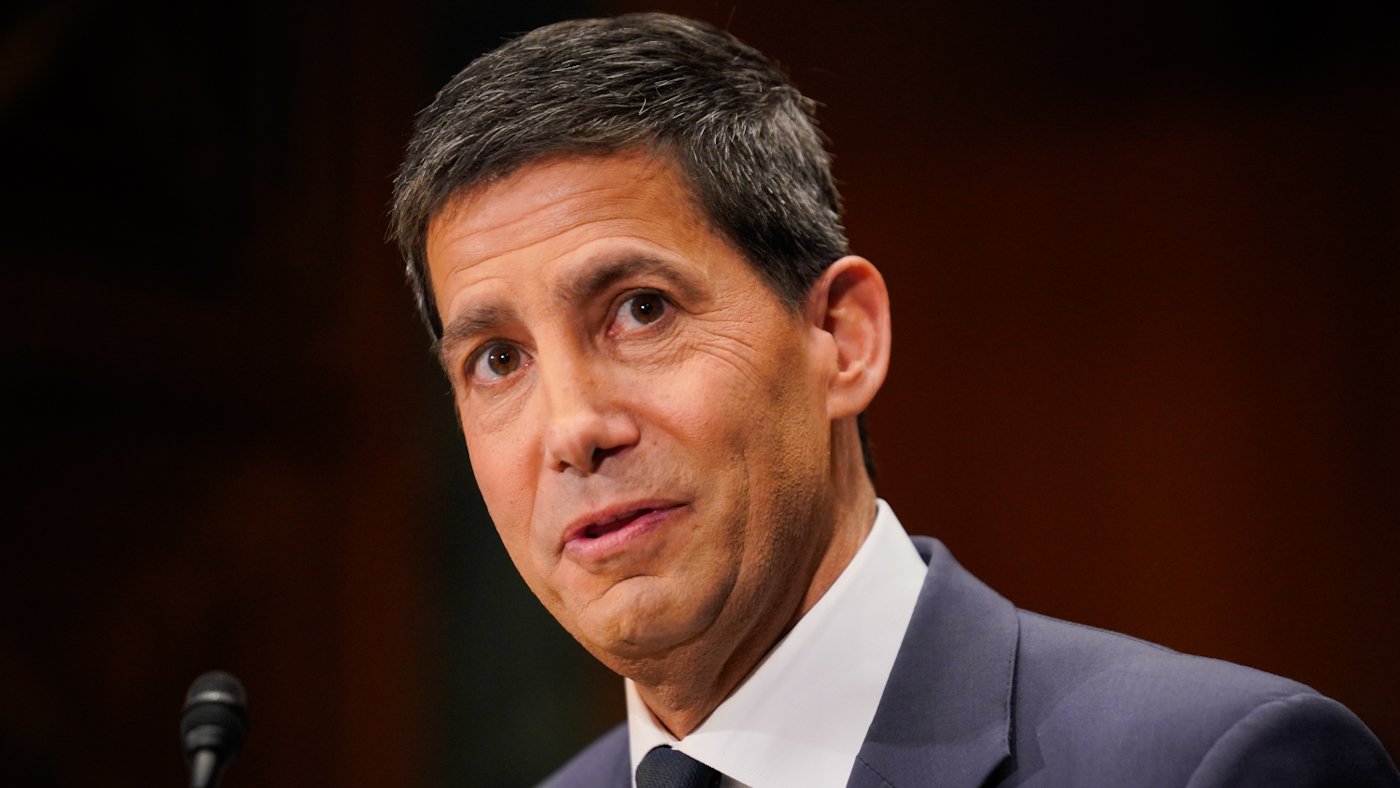
Kevin Warsh, former Federal Reserve governor and President Trump's nominee to chair the central bank, repeatedly declined to acknowledge President Joe Biden's victory in the 2020 presidential election during his Senate confirmation hearing Tuesday. The evasion came during a pointed line of questioning from Senator Elizabeth Warren (D-Mass.), who pressed the nominee on what she characterized as a basic test of independence.
"I Need to Measure Your Independence"
When Warren directly asked whether Biden defeated Trump, Warsh deflected, stating, "We try to keep politics, if I'm confirmed, out of" the Federal Reserve. Warren countered that she was asking a factual question necessary to assess his "independence and courage." Warsh then responded, "Senator, I believe that this body certified that election many years ago," a reference to the congressional certification on January 6, 2021. Unsatisfied, Warren pressed: "I'm asking, did Donald Trump lose in 2020?" Warsh pivoted to monetary policy, replying, "And I'm suggesting to you in 2020 the Fed made a huge inflation problem, and you certified the election. We need to keep politics out of monetary policy and keep monetary policy out of politics."
Biden secured 306 electoral votes to Trump's 232 in the 2020 election. Trump and his allies filed numerous unsuccessful lawsuits challenging the results, and Trump has persistently promoted the false claim that the election was stolen. The hearing clash underscores how allegiance to Trump's election narrative remains a litmus test for some nominees, even for positions traditionally insulated from partisan politics. This dynamic is playing out as Senate Republicans maneuver to replace current Fed Chair Jerome Powell.
Scrutiny Over Finances and Associations
Warren's interrogation extended beyond the election to Warsh's substantial personal wealth and potential conflicts of interest. Warsh submitted a financial disclosure showing assets valued between $131 million and $209 million. Warren noted the 69-page document omitted whether he holds stock in any bank or trust company, which is prohibited for Fed board members. She also questioned him about his more than $50 million investment in the Juggernaut Fund LP, asking if it invested in Trump-affiliated companies, entities involved in money laundering, Chinese-controlled firms, or financing vehicles established by the late convicted sex offender Jeffrey Epstein.
Two Justice Department emails released this year listed Warsh as a guest at two gatherings Epstein also attended. When Warren pressed on the fund's investments, Warsh stated he had worked with ethics officials on the matter and emphasized the Fed's reliance on monetary policy and credibility. The opacity of his portfolio has already drawn criticism, with some Democrats previously calling for a delay in his hearing.
A Broader Test of Allegiance
The hearing revealed tensions beyond the Fed's traditional purview. Warren later asked Warsh if he disagreed with any part of President Trump's economic agenda. After a brief exchange, Warsh said he took issue with Trump's comment that he was "out of central casting" for the role. "I think central casting, I'd look older, grayer, maybe show up here with a cigar of sorts," the 56-year-old remarked. Warren dryly retorted, "Quite adorable."
The confrontation highlights the political minefield surrounding Trump's nominations, where loyalty to the president's personal claims can become a focal point. Warsh's nomination arrives amid broader political turmoil for the administration, including diplomatic challenges and fluctuating poll numbers. His ability to navigate these partisan pressures while maintaining the perception of Fed independence will be central to his confirmation prospects.
Ultimately, Warsh's refusal to directly answer a question about a settled election result, coupled with unresolved questions about his complex finances, sets the stage for a contentious confirmation battle. The episode illustrates how technocratic appointments are increasingly subjected to the same partisan loyalties that define other political fights in Washington.