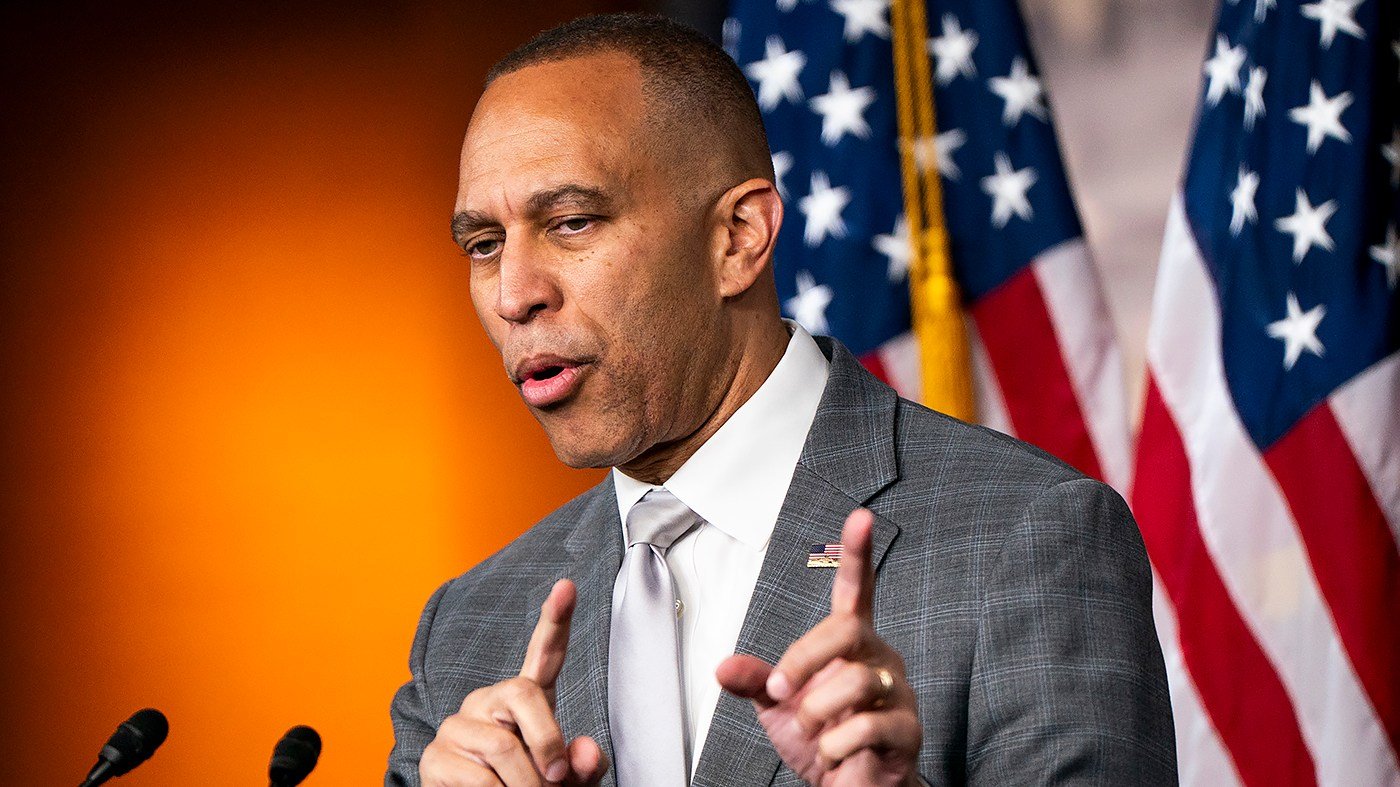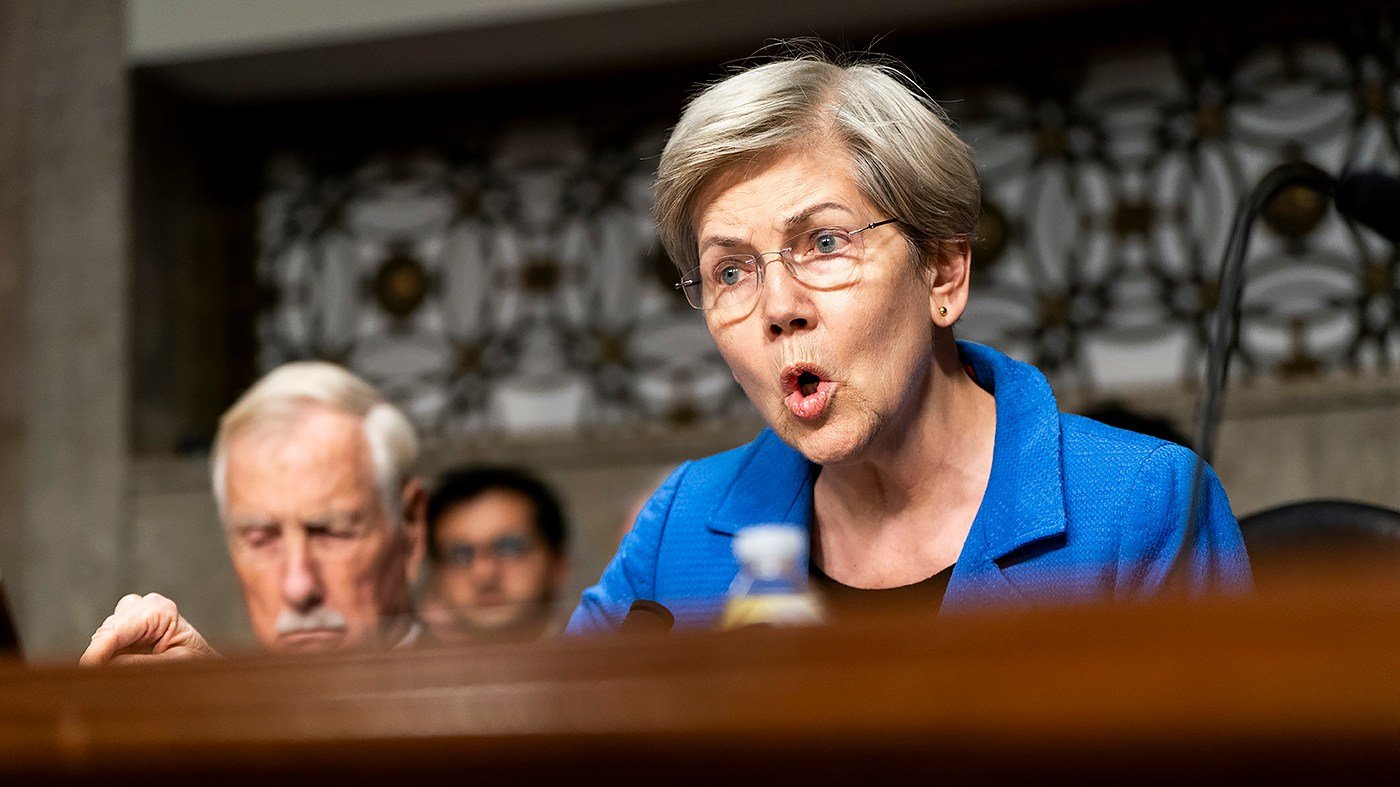
Senators Elizabeth Warren (D-Mass.) and Josh Hawley (R-Mo.) have formally questioned CVS Health's decision to split into two separate companies, arguing the move fails to address the healthcare giant's anticompetitive practices. In a letter to CEO David Joyner, the lawmakers said the proposed separation would still allow the company to inflate prices and stifle competition.
The bipartisan duo, known for taking on corporate concentration in healthcare, wrote that while the breakup is "good news," the resulting corporate structure remains problematic. They argue that Aetna and CVS Caremark, which will remain under the CVS umbrella, would still have incentives to steer patients and prescriptions to affiliated providers and pharmacies, reimbursing them at higher rates than independent rivals.
CVS announced in early November that it would separate into two publicly traded entities by 2028. One company, led by Joyner, will house Aetna, CVS Caremark, and Oak Street Health, focusing on healthcare services. The other, under the leadership of Prem Shah, will operate roughly 9,000 retail pharmacies under the CVS Pharmacy brand.
Warren and Hawley, who have previously teamed up on legislation targeting pharmacy benefit managers, are pressing Joyner for detailed financial records from CVS's subsidiaries over the past five years, with a deadline of December 9. Their latest inquiry builds on their Break Up Big Medicine Act, introduced in February, which would bar parent companies from owning both medical providers and pharmacy benefit managers or insurers.
Joyner acknowledged earlier this month that such legislative pressure was a factor in CVS's decision to split. However, Warren and Hawley contend that the new arrangement would still violate their proposed law. In their letter, they wrote that the "vertically integrated" structure would let CVS evade rules meant to curb corporate profiteering at the expense of patients and taxpayers.
The senators also suggested the breakup might be an attempt to preempt investigations by the Federal Trade Commission or state attorneys general. They wrote, "Whether your intent is to try to head off regulatory pressure, or to cast off less profitable parts of the business, we are concerned that the new entity will still be a vertically integrated health care conglomerate with costly implications for patients and providers."
Warren is poised to chair the Senate Banking Committee in January, while Hawley serves on the Senate Health, Education, Labor and Pensions Committee. Their joint scrutiny reflects a rare bipartisan push against consolidation in the healthcare sector, a theme that could resonate in the next Congress as lawmakers consider broader reforms.
CVS has not yet responded to requests for comment. The company's planned split marks a significant shift for one of the nation's largest healthcare conglomerates, but Warren and Hawley are signaling that they will not accept a breakup that leaves market power intact.