With pump prices still hovering above last year's levels and no clear timeline for relief, drivers are hunting for every discount they can find. For many, the cheapest fuel in town isn't at a traditional station—it's at the warehouse club down the street.
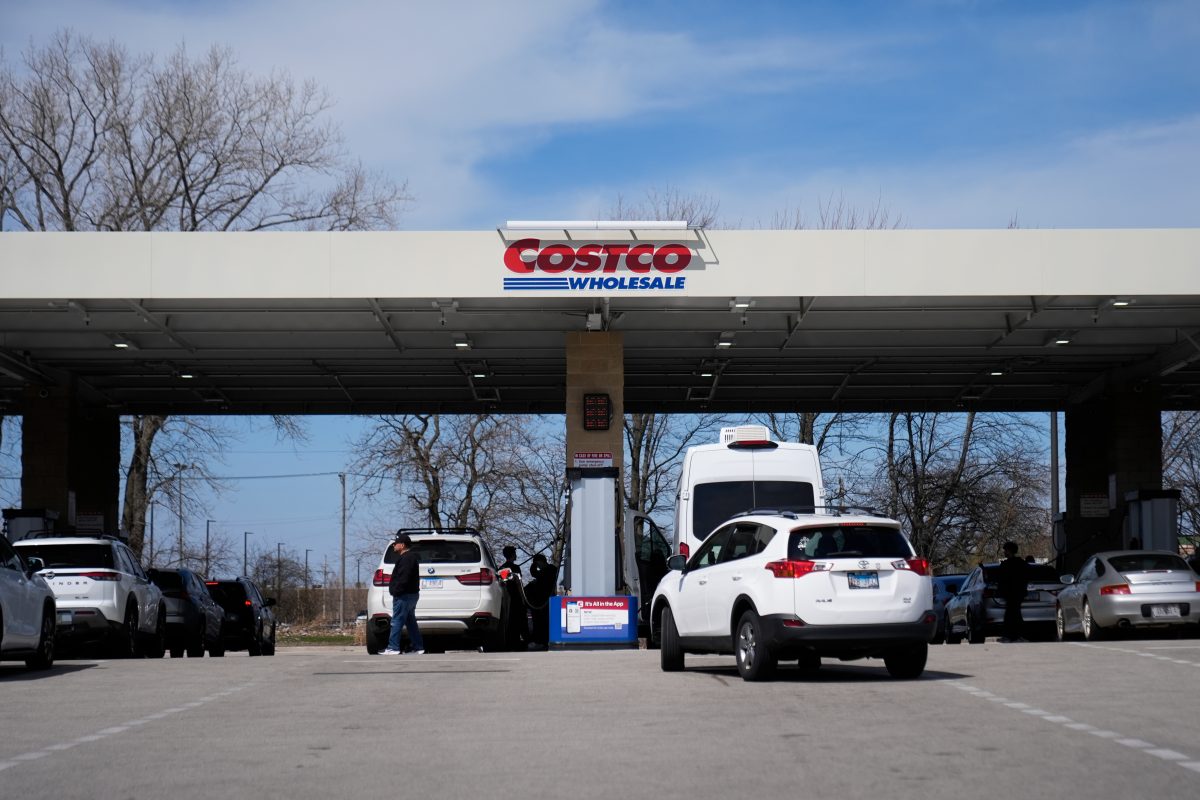
Costco, Sam's Club, and BJ's Wholesale are routinely offering gasoline 5 to 25 cents cheaper per gallon than competitors, according to Patrick De Haan, head of petroleum analysis at GasBuddy. The reason is less about oil markets and more about retail strategy: these clubs treat gas as a loss leader.

“They're willing to take less margin on fuel because it brings people to the store,” De Haan explained. “Once you're there to fill up, you often decide to grab a few things inside—and those items carry much higher markups.”
It's the same logic behind the famous $1.50 hot-dog-and-soda combo or the low-priced rotisserie chicken. The gas pump is a gateway to the warehouse floor, where shoppers tend to spend more than they planned on everything from bulk paper towels to electronics.
The volume these chains move also helps. Andrew Lipow, an oil industry consultant, told Nexstar that Costco and Sam's Club purchase gasoline in such massive quantities that they can negotiate better wholesale prices, offsetting the thin retail margins.
Membership Required—But the Savings Add Up
There's a catch: you usually need a membership to access the pumps. Most Sam's Club and Costco fuel stations are restricted to members, though some Sam's Club locations are open to the public. BJ's offers discounts to members who buy eligible products in-store or online. A Costco Shop Card can also be used at the pump, but only members can buy those cards.
De Haan told Consumer Reports that warehouse stations tend to hold their prices steady longer when the broader market spikes. “When prices rise elsewhere, they absorb the increase for a while to keep their competitive edge,” he said.
Data from AAA confirms the gap. In Los Angeles, Costco's regular gas was $5.39 per gallon last week, compared to the metro average of $5.95. In Chicago, Sam's Club was at $3.99, while the average hit $4.71. Denver saw Costco and Sam's Club both at $3.38, a full 55 cents below the metro average of $3.93.
Top Tier Fuel: Costco's Edge
Among the warehouse clubs, only Costco sells Top Tier gasoline—a detergent-enhanced fuel designed to reduce engine deposits. A 2016 AAA study found that Top Tier gas keeps engines 19 times cleaner than standard fuel. CarFax concluded, “Yes, Top Tier gas is worth the extra money. The benefits are not a myth.” Sam's Club and BJ's offer unleaded, premium, and diesel but do not carry the Top Tier designation.
Costco's foray into gasoline almost never happened. Co-founder Jim Sinegal told The Wall Street Journal last year that the company was “so reluctant to get into the gasoline business, you wouldn't believe it.” He cited the difficulty of turning a profit. It took eight attempts before executives agreed to test a fuel station. “They were successful right off the bat,” Sinegal recalled.
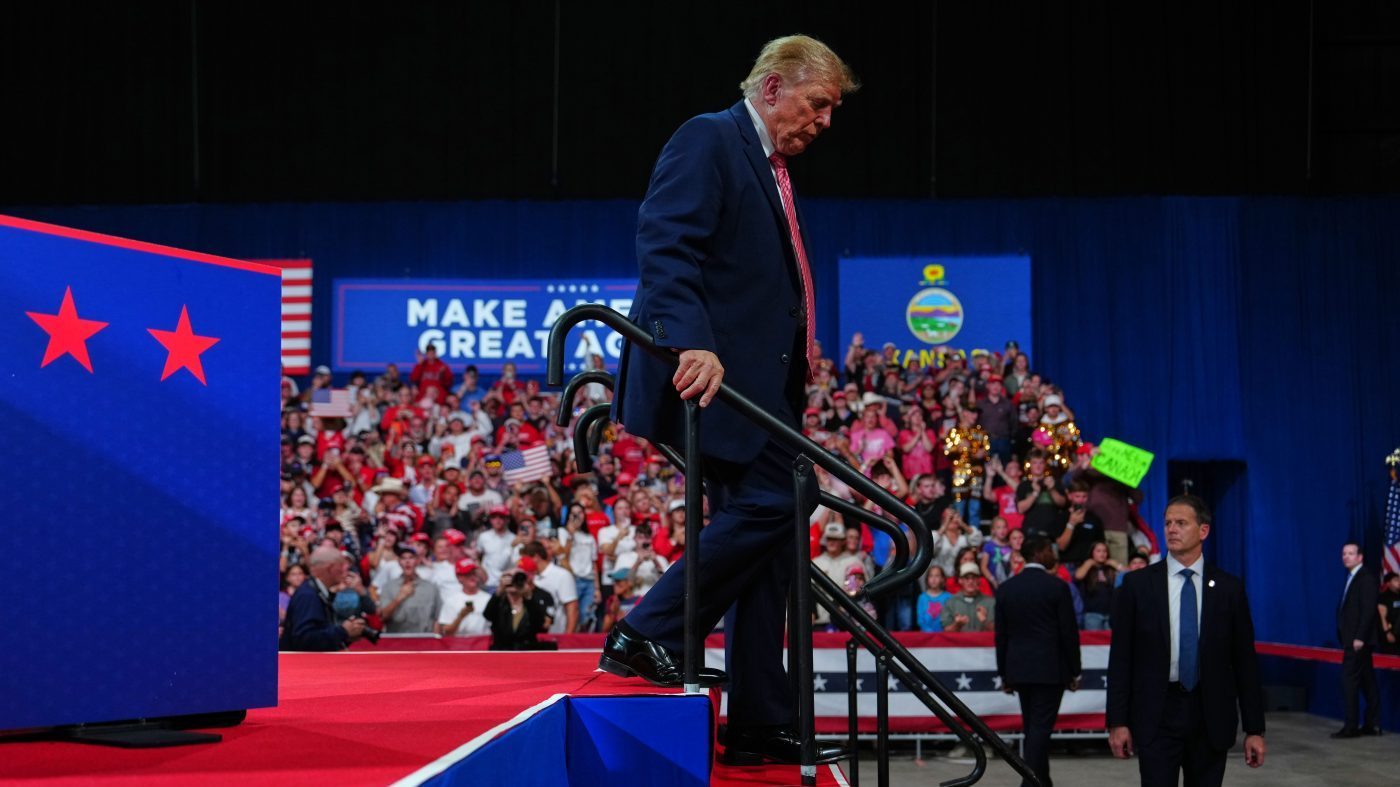
As Trump's economic approval plummets to 30% amid the Iran war's impact on fuel prices, and with Energy Secretary Wright warning that gas may not fall below $3 until 2025, warehouse clubs offer a rare bright spot for consumers. Yet the strategy isn't without political implications: a majority of voters hold the president responsible for surging prices, making every price break a potential political talking point.
For now, the warehouse pump remains one of the few places where drivers can consistently beat the market—if they're willing to walk inside and maybe buy a few extra items.