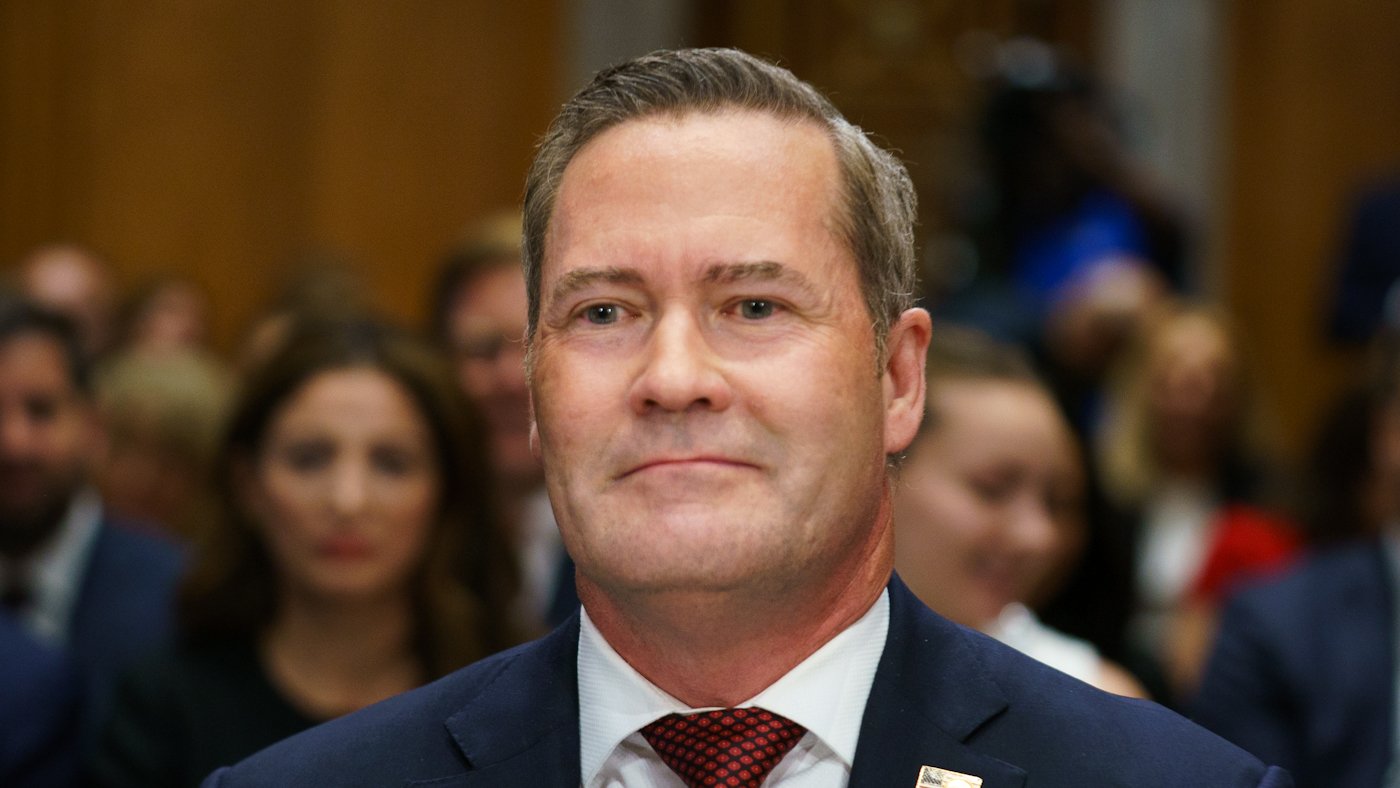
U.S. Ambassador to the United Nations Mike Waltz declared on Sunday that the Trump administration is confident a final peace agreement with Iran will be finalized later that day. Speaking on ABC's This Week with Martha Raddatz, Waltz stated, “I’m confident, the team is confident,” while cautioning that he would not get ahead of the president or vice president in announcing the details.
President Donald Trump had earlier suggested that a deal to end the conflict with Iran could be reached on Sunday. The agreement is expected to reopen the Strait of Hormuz, a critical chokepoint for roughly 20% of the world’s oil and gas shipments, and establish a 60-day window for negotiations over Iran’s nuclear program.

Waltz noted that the memorandum of understanding (MOU) outlines several conditions, but the specifics “will be worked out as we go forward into the next round of negotiations.” He emphasized the strong backing from Gulf allies, saying, “Our Gulf allies — the Kuwaitis, the Bahrainis, the Qataris, especially the UAE — are standing shoulder-to-shoulder with us.” He criticized Iran for attacking its neighbors, calling it “a massive strategic mistake.”
Addressing concerns about frozen Iranian assets, Waltz asserted that the funds will not be “upfront cash” as in the Obama-era Joint Comprehensive Plan of Action (JCPOA), from which Trump withdrew in 2018. Instead, the new deal focuses on verification, closing what Waltz described as “huge gaps” in the JCPOA. “We know the Iranians have tended to cheat,” he said, adding that there were no “anytime, anywhere” inspections under the previous accord. He vowed the new framework would have “no massive loopholes” and that “no one on this team is just going to take the Iranians at their word.”
Waltz described Iranian negotiators as “incredibly difficult,” partly because they struggle to get guidance from Supreme Leader Ayatollah Ali Khamenei. Meanwhile, Qatari mediators flew to Tehran on Sunday to help finalize the deal, according to a source familiar with the matter. However, Iranian state media has cast doubt on a Sunday signing, with Foreign Ministry spokesperson Esmail Baghaei telling state broadcaster IRIB that the agreement “will NOT happen tomorrow, but it could take place in the coming days.” He cited “the other side’s inconsistency” as a reason for caution.
The diplomatic push faces additional headwinds from Israeli airstrikes on Beirut’s southern suburbs. The Israel Defense Forces said the strikes were a response to “continued Hezbollah attacks on Israel’s territory.” A source told NewsNation that the strikes “are creating issues” for the U.S.-Iran deal. For more on the broader implications, see our coverage of Representative Seth Moulton blasting the deal as a ‘surrender document’ and Trump’s claim of an imminent deal amid skepticism.
As the deadline approaches, the Trump administration is pushing for a swift conclusion, but the mixed signals from Tehran and escalating regional tensions suggest the path to a final accord remains fraught with complications.