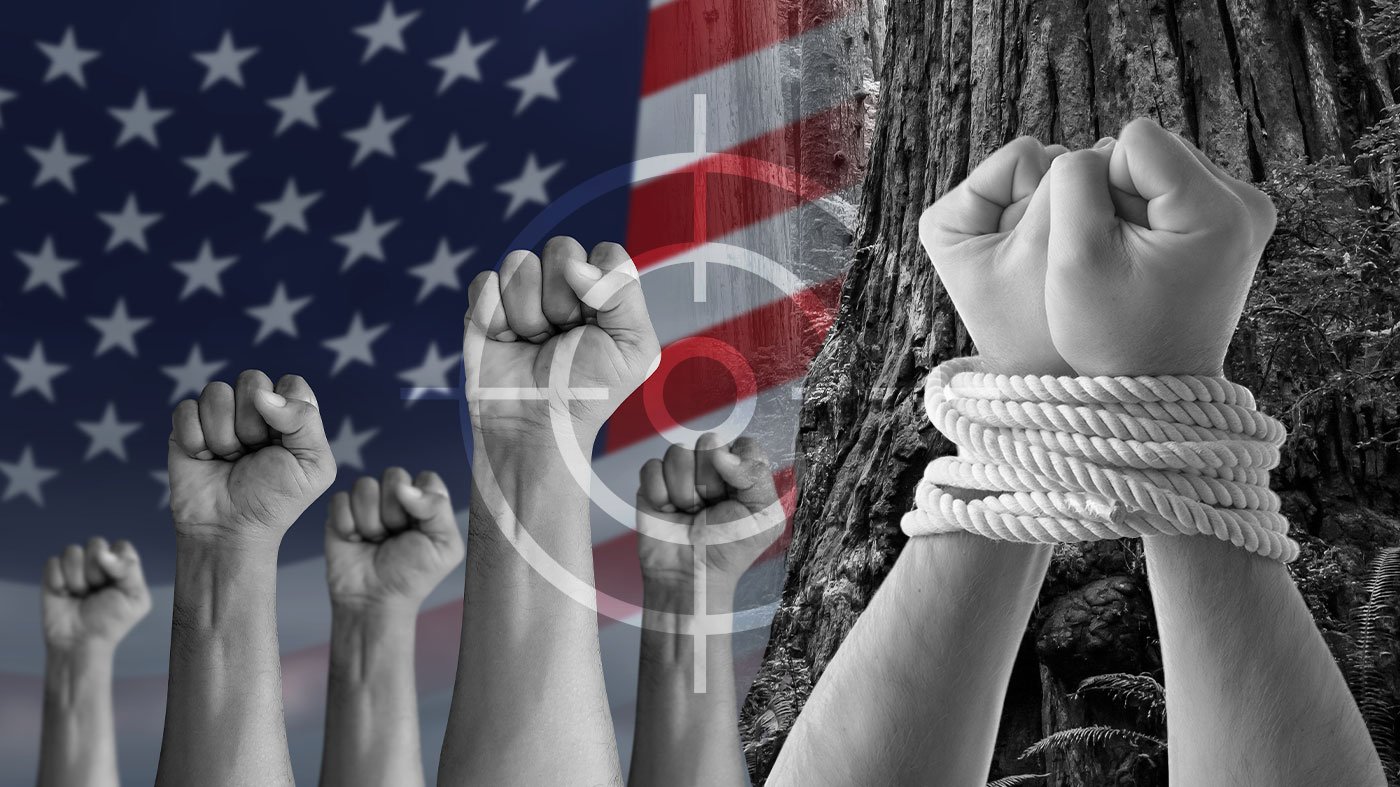
The abduction of two U.S. Forest Service employees in Northern California earlier this month ended safely after more than 15 hours of captivity, but the incident reveals a deeper and more troubling shift in America's political landscape. The suspects allegedly targeted the workers solely because they were federal employees, according to investigators. If confirmed, this motive marks another escalation in a pattern where public servants are viewed not as individuals but as symbols of a hated government.
This case is not an isolated event. Over the past several years, threats and attacks have risen sharply against election officials, judges, healthcare workers, law enforcement officers, and other government employees. Political polarization has created a climate where some see violence as a legitimate way to express grievances against institutions. The California kidnapping shows that even those performing routine tasks in remote areas are no longer safe from such risks.
Negotiation over force: a lesson in restraint
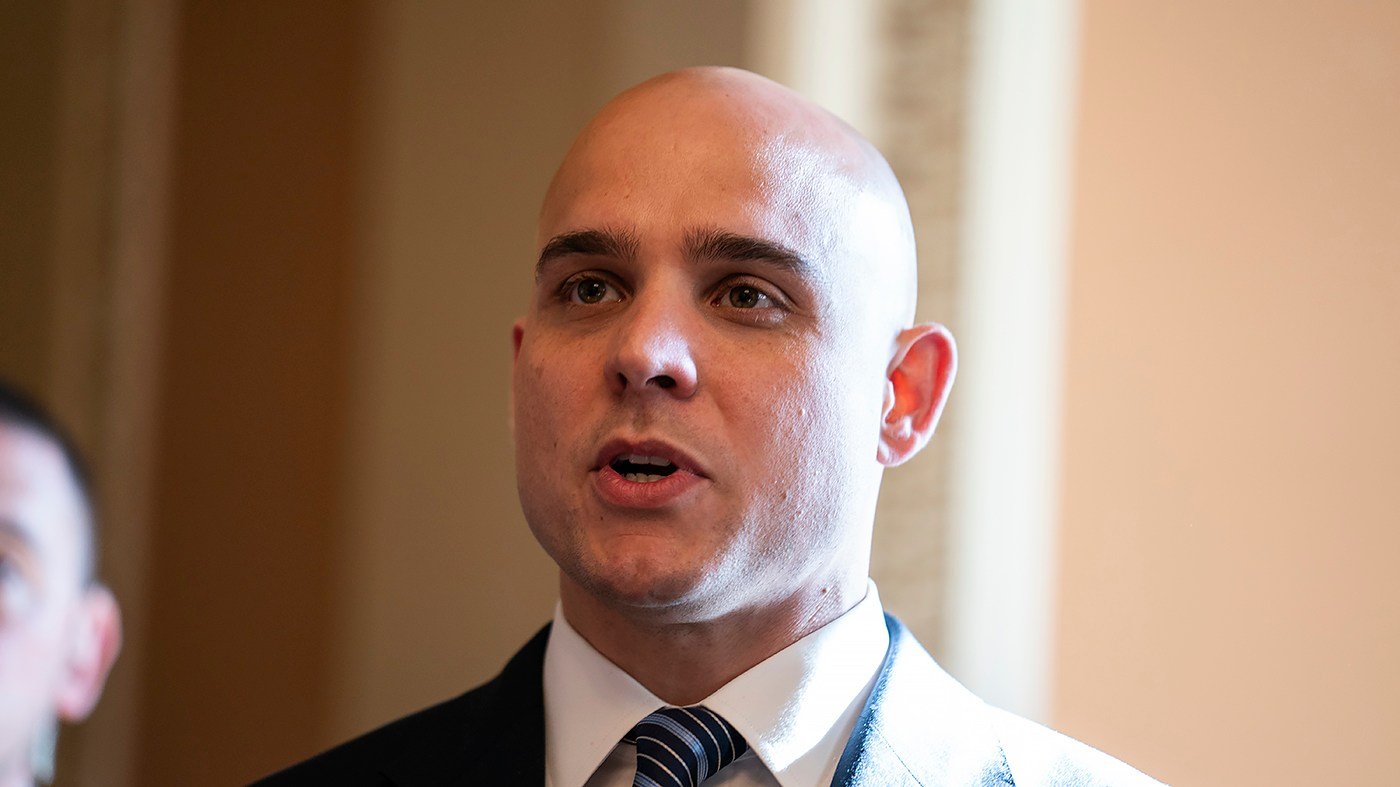
Popular culture often portrays hostage crises ending with dramatic tactical assaults, but the reality is far different. Former FBI Chief Hostage Negotiator Stephen Romano explained that negotiations deliberately slow down incidents to save lives. "Time allows more assets to respond to the crisis site and the ability to gather critical intelligence," Romano said. "Most important of all is that the hostage takers' emotions can be lowered, thereby avoiding further violence, and allowing them time to reconsider their actions."
The hours-long standoff in California may have seemed uneventful to outside observers, but that patience was a calculated strategy. Once immediate violence is contained and communication established, time generally favors negotiators. Emotions cool, intelligence accumulates, and tactical options expand. Contrary to popular belief, patience is often the most effective life-saving tool available to law enforcement.
Broader implications for organizations
Businesses and government agencies should take note. Many employees work outside traditional office environments—utility crews, environmental inspectors, surveyors, journalists, investigators, healthcare providers, and social workers routinely interact with strangers in isolated locations. Security planning has traditionally focused on accidents, weather, and ordinary crime, but must now also account for individuals motivated by ideology or grievance.
This does not mean every employee will become a target, but the threat landscape is far less predictable than it was a decade ago. Employees representing government agencies, corporations, or other institutions may face hostility directed not at them personally, but at what they symbolize. Organizations should maintain reliable communications, establish robust check-in procedures, train employees to recognize escalating situations, and develop crisis management plans that address prolonged critical incidents. Understanding how hostage negotiations work can reduce panic if the unthinkable occurs.
The successful resolution of the California crisis, thanks to disciplined law enforcement and skilled negotiators, should be celebrated. But it also serves as a warning. America's ideological divisions are no longer expressed solely through heated rhetoric or protests. They increasingly manifest in unpredictable acts of violence against people who simply happen to represent an institution someone has chosen to hate. The victims were not politicians or policymakers. They were public servants carrying out routine work. That distinction may be the most unsettling lesson of all.