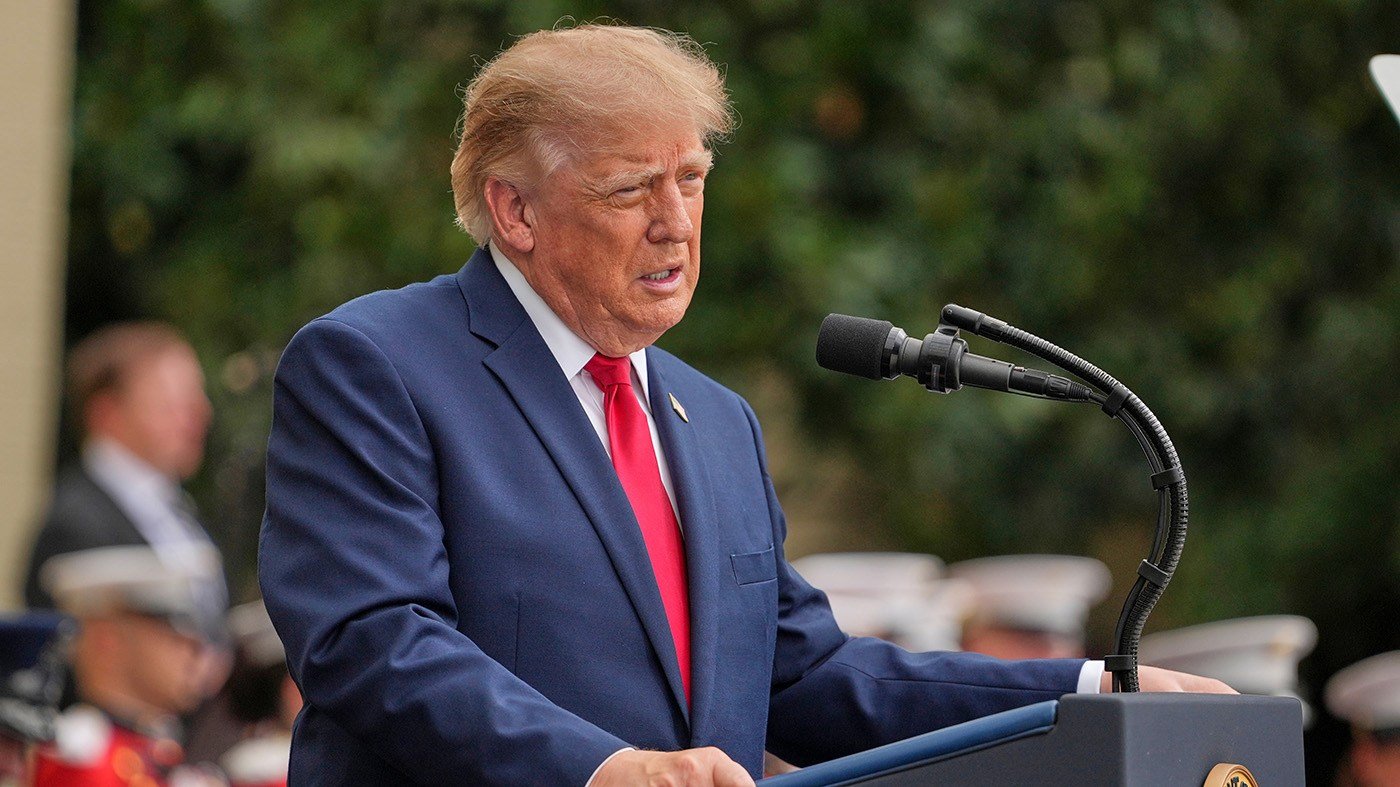
President Trump's planned midterm campaign sprint is creating a strategic dilemma for Republican candidates in competitive races, as his approval ratings slide and the party faces historical headwinds. The president is set to appear with Senate nominee Michael Whatley in North Carolina on Wednesday, the first of what aides signal will be many campaign stops aimed at nationalizing the election.
But not all Republicans are eager to share the stage. Several incumbents and challengers are deliberately keeping Trump at arm's length, calculating that his polarizing presence could alienate the suburban and independent voters they need. One Democratic strategist described the situation as a trap: "Do you stump with him and literally and figuratively embrace high gas prices and war in Iran, or do you snub him and risk him telling the base not to show up for you?"
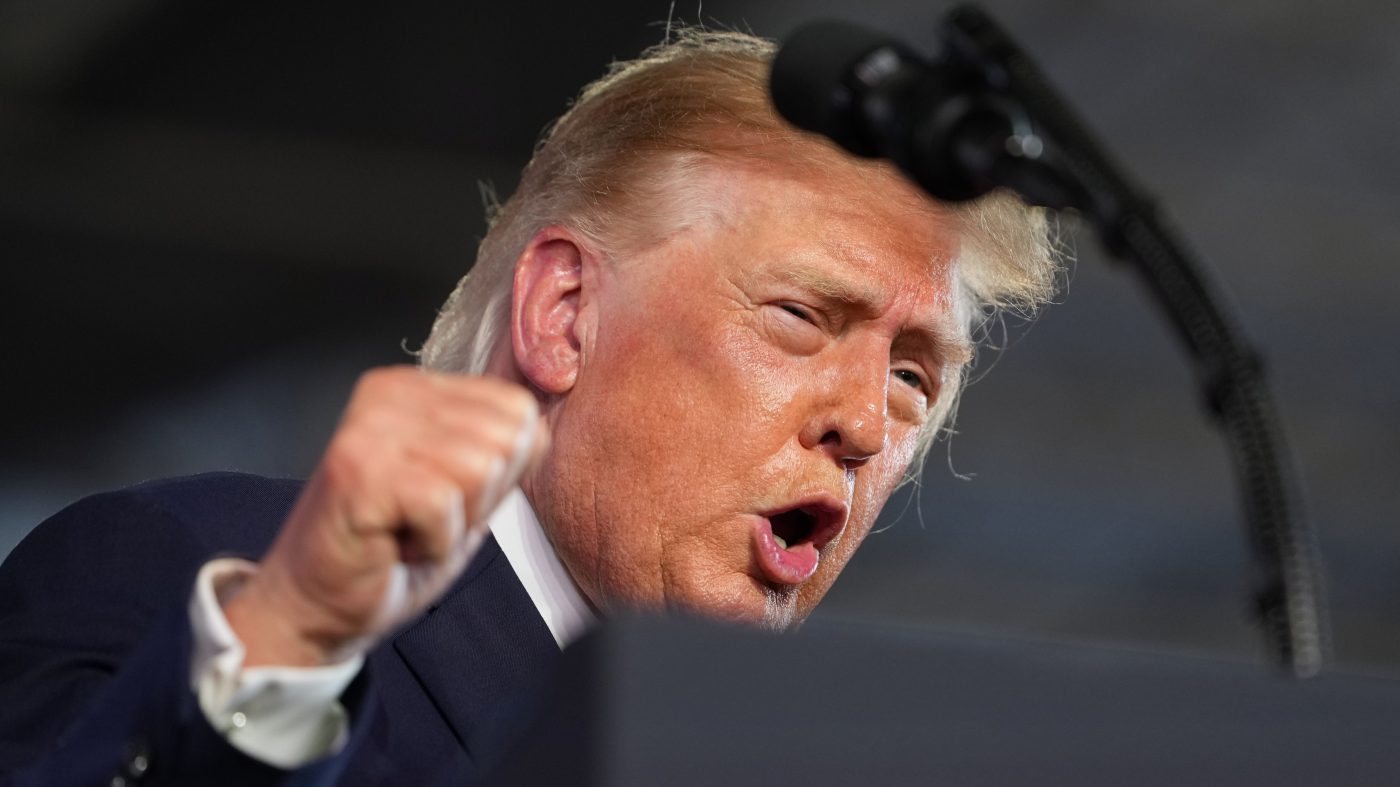
The tension was on display at the recent GOP convention, which sought to energize the base ahead of November. Republicans are bracing for the usual midterm losses, but recent polling shows Trump's approval at a new low of 32 percent in a Focaldata/Financial Times survey, adding urgency to the White House's push to frame the election as a referendum on his agenda.
Trump and his allies are urging supporters to "pretend" he is on the ballot, arguing that a Democratic Congress would cripple his legislative achievements. At the convention, Trump offered a $5,000 payment to every adult if Republicans retain control—a promise that has sparked legal and fiscal questions—and issued a stark warning: "You know what happens if you don't vote? You go to hell. So please go and vote, because together we will defeat the communists."
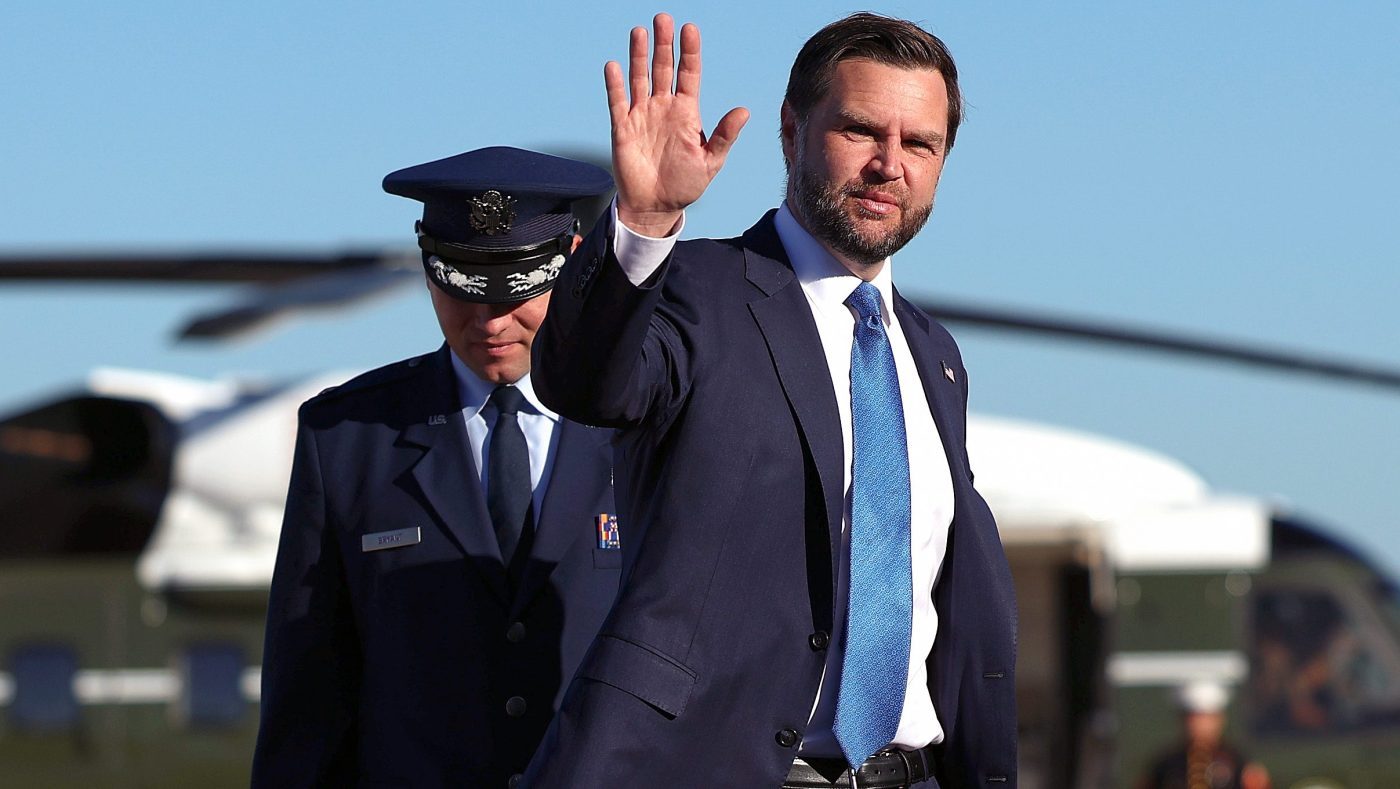
Beyond Trump, Republicans are counting on Vice President Vance to be a more palatable surrogate. One GOP operative praised Vance's convention speech and his appeal in the Midwest, especially in Ohio, where he remains the most popular statewide figure.
Democrats, however, argue that leaning on Trump could backfire with swing voters. "I do think there's value in reminding voters he promised to lower costs and keep us out of war. He's done the opposite and they have a right to feel betrayed," said the same Democratic strategist.
Despite the risks, many vulnerable Republicans are openly embracing the president. Reps. Mike Lawler (N.Y.), Scott Perry (Pa.), Monica De La Cruz (Texas), Derrick Van Orden (Wis.), Ryan Mackenzie (Pa.), and Rob Bresnahan (Pa.) all attended the Dallas convention, as did Senate candidates Ken Paxton (Texas), Jon Husted (Ohio), Mike Rogers (Mich.), and Whatley.
A GOP source said the convention showcased "the energy behind the president and his policies," and that candidates will "carry that momentum" into their districts. But some strategists worry the party hasn't effectively sold its policy wins, such as the Working Families Tax Cuts. "If I had a critique, people don't know what's been done," one strategist said, pointing to the need to highlight benefits like the expanded child tax credit and tipped income provisions.
Lawler, who represents a district carried by Kamala Harris in 2024, has at times distanced himself from Trump—most recently over comments about the Iran war—but still appeared with him publicly in May. That balancing act may become the defining feature of the GOP's midterm strategy as candidates navigate a president who insists on being the centerpiece of their campaigns.