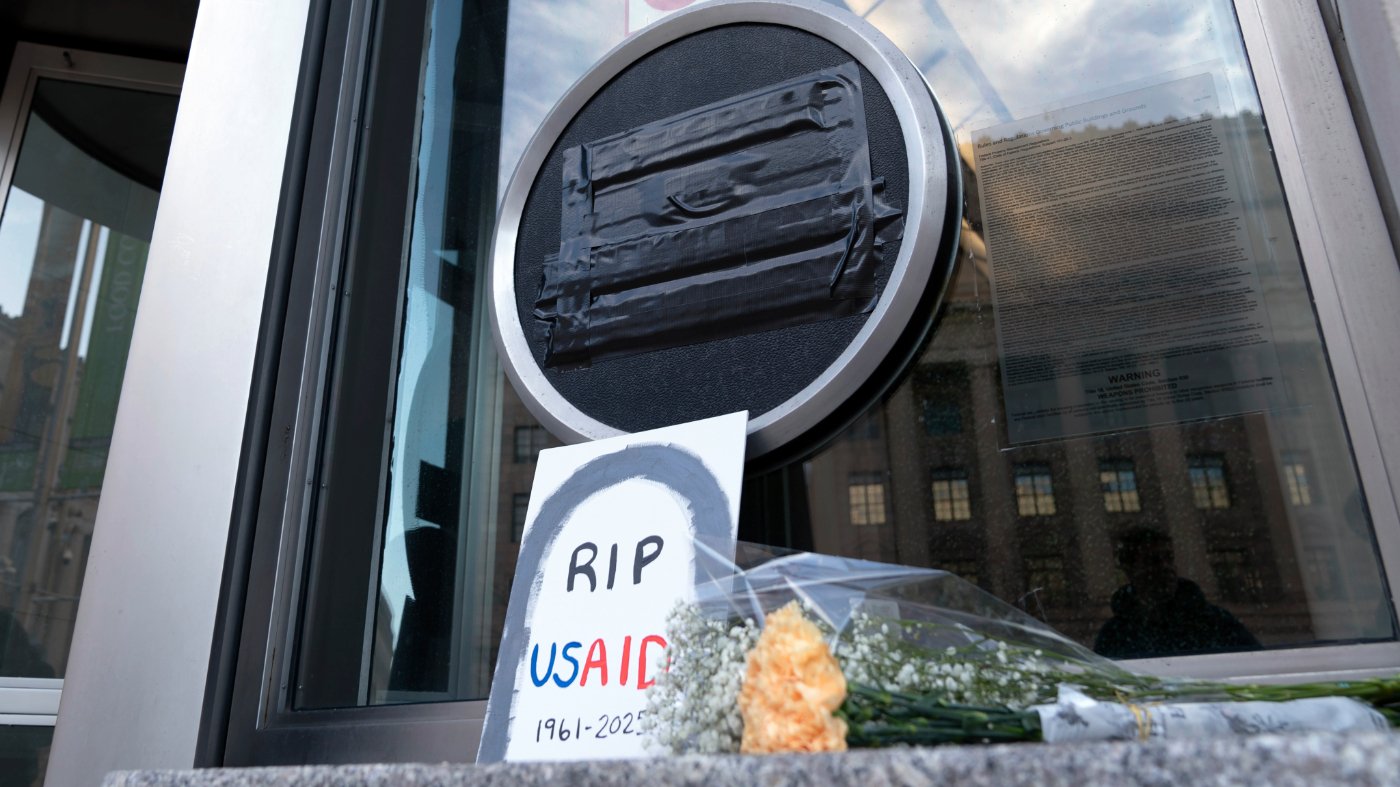
A year after the dismantling of the U.S. Agency for International Development and the shuttering of numerous global programs, a bipartisan commission is launching to overhaul American foreign assistance. The move comes as donor countries, including the U.S., Canada, the U.K., France, and Germany, slashed aid budgets by a historic 23 percent—$40 billion—last year. Analysts warn these cuts could lead to 9.4 million preventable deaths by 2030.
Former South Carolina Governor David Beasley, who led the World Food Program, and former Maryland Senator Ben Cardin, who chaired the Senate Foreign Relations Committee, argue that foreign aid remains a vital foreign policy tool. They point to its role in stopping disease outbreaks, feeding children, and responding to natural disasters and conflicts. They also stress it helps keep Americans safe, strengthens global leadership, creates jobs, and saves taxpayers money.

Hard Choices Ahead
But Beasley and Cardin acknowledge that past failures to make a compelling case have left aid programs vulnerable. To preserve this tool, they argue for targeting funds to causes that clearly advance U.S. interests, finding innovative delivery methods, and rebuilding bipartisanship. They emphasize rigorous prioritization, efficiency, effectiveness, and public support.
Despite polarization in Washington, a recent Echelon Insights poll funded by the Rockefeller Foundation found 54 percent of Americans across the political spectrum still favor foreign aid. Eight in ten say the path forward is reform, not elimination. Support jumps dramatically for specific programs: 90 percent back humanitarian relief and disease prevention, while 84 percent support global health and 81 percent back economic development.
Commission's Mandate
The new Commission on the Future of Foreign Assistance, co-chaired by Beasley and Cardin, includes former members of Congress and senior officials. It will be supported by the American Enterprise Institute and the Brookings Institution. The commission plans to engage Americans and leaders in Africa, Asia, and Latin America, analyzing past failures with brutal honesty.
“For too long, the explanation for foreign assistance has been ‘it’s important—trust us,’” the co-chairs said. “We must connect the work to our national interests.” They cited President Ronald Reagan’s warning that retreat from responsibility endangers both ideals and interests. The commission aims to propose new models of development and humanitarian support for tens of millions affected by conflict and crisis.
“None of this will be easy,” they added, but argued that in a world that is less safe and increasingly unpredictable, the costs of inaction are real. Retired General James Mattis once told Congress, “If you don’t fully fund the State Department, then I need to buy more ammunition.”
The commission’s work comes amid broader debates about U.S. global leadership and the role of foreign assistance. For context, recent discussions about grid modernization security risks and the DNC's leadership crisis highlight the interconnected challenges facing policymakers.
Beasley and Cardin expressed confidence that American ingenuity and can-do optimism will ensure success, even as political will remains scarce.