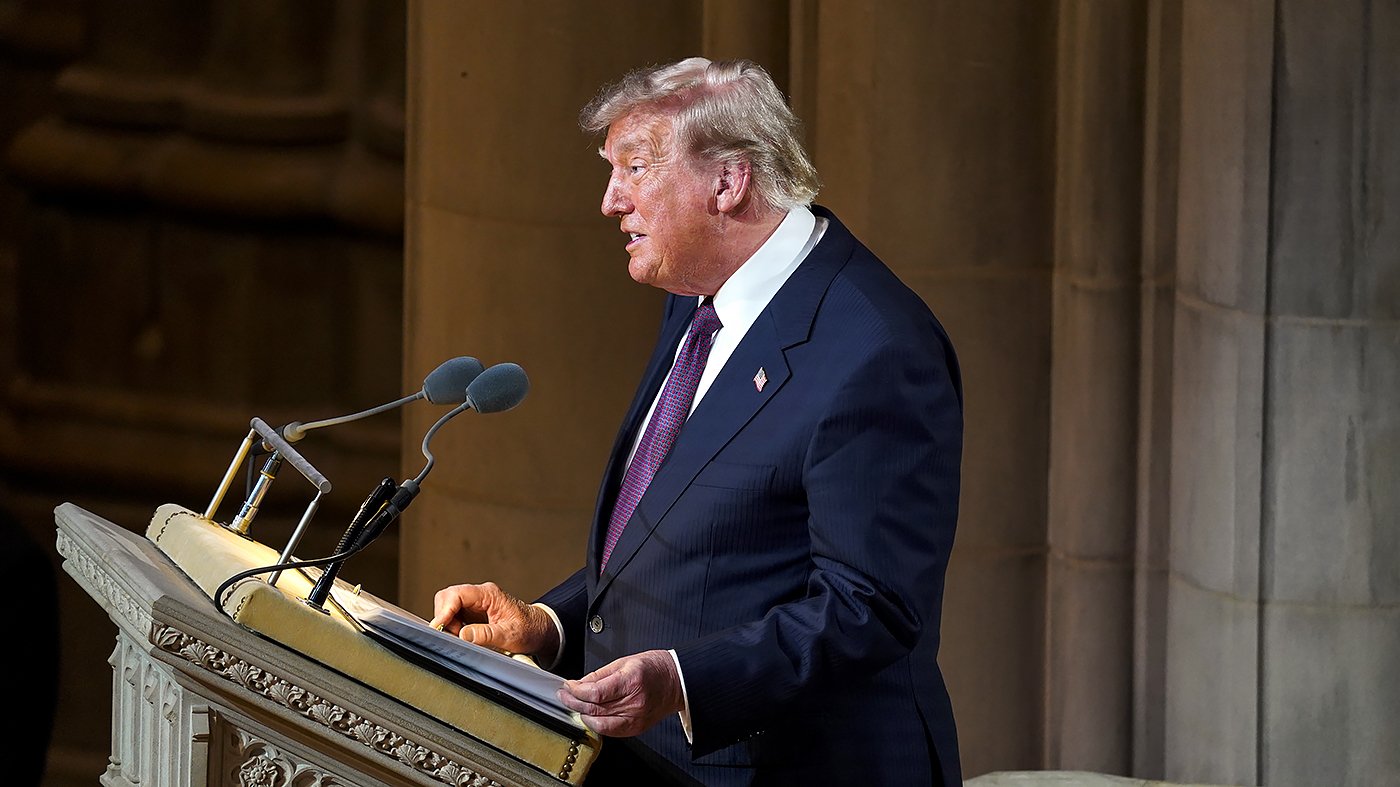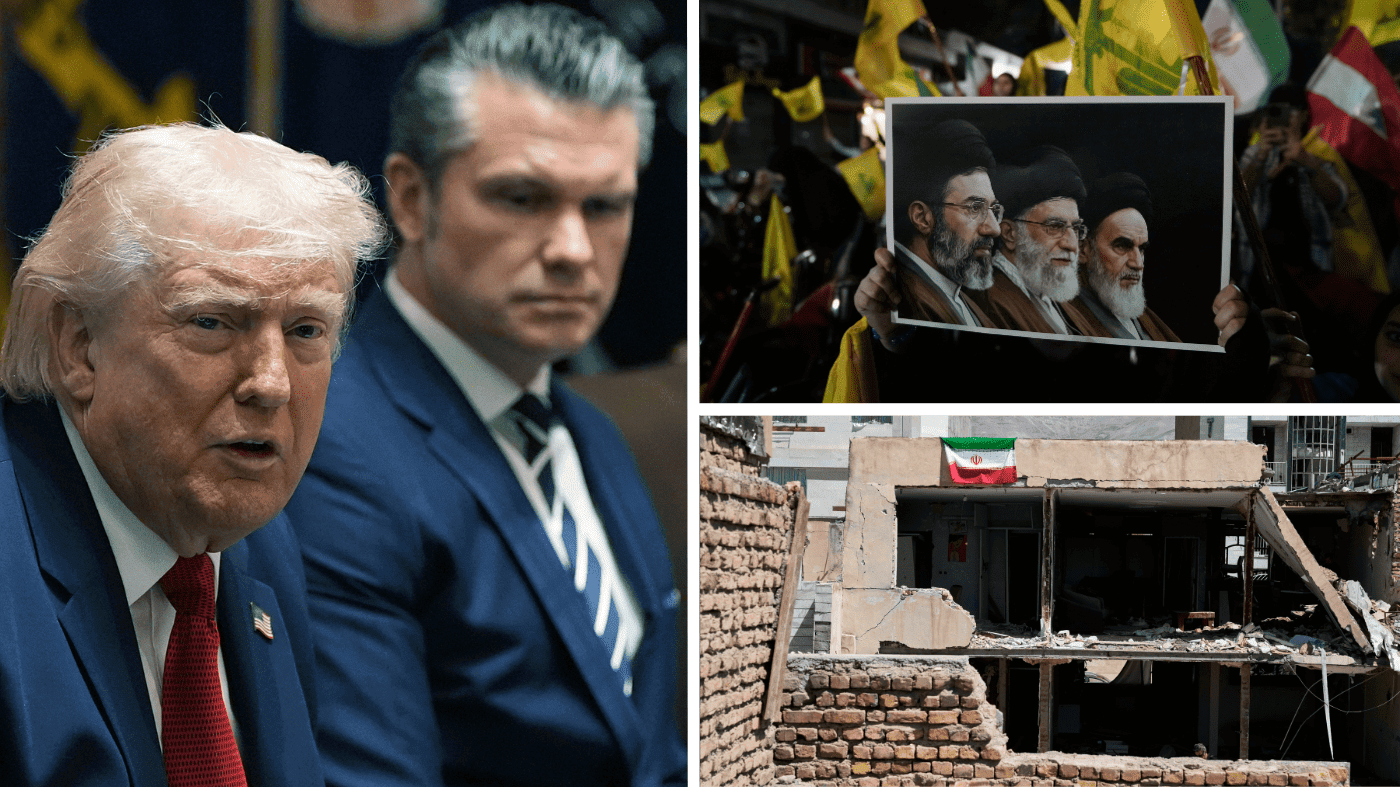
President Donald Trump declared Saturday that a peace agreement with Iran would be signed on Sunday, his 80th birthday, marking the latest in a series of optimistic predictions about ending the conflict that have drawn skepticism from critics and even some allies. The announcement came after a week of mixed signals, including threats of military strikes and reports of a potential financial payout to Tehran.
Speaking to reporters Thursday, Trump said a “great settlement of the war with Iran” was imminent, just hours after threatening to bomb the country and seize Kharg Island. The president has made similar claims at least three dozen times over the past three months, according to a CNN tally, undermining confidence in his latest forecast.
Iranian Foreign Minister Abbas Araghchi on Friday said an agreement “has never been closer,” and Pakistani Prime Minister Shehbaz Sharif, whose country is mediating, confirmed that negotiators are finalizing a “final, agreed upon text.” A White House official told NewsNation that the deal is 75 percent complete, but stressed that nothing is finalized.
The proposed 14-point framework would address two core issues: Iran’s nuclear program and the reopening of the Strait of Hormuz. Under the terms, Iran would destroy its stockpile of highly enriched uranium and pledge not to pursue nuclear weapons—a commitment it made under the 2015 Joint Comprehensive Plan of Action, from which Trump withdrew during his first term. The deal would also require Iran to fully reopen the strategic waterway within 30 days without imposing tolls, while the U.S. would lift its naval blockade on Iranian ports.
However, reports that Tehran could receive financial benefits sparked backlash from congressional hawks. Trump dismissed those leaks as “fake,” and Vice President JD Vance insisted that “no cash” would change hands until Iran meets its obligations. Senator Lindsey Graham (R-S.C.) welcomed that stance, warning that any deal described by Iran “would be awful” and urging Trump to maintain a “red line” against nuclear enrichment.
The nuclear impasse has long been a stumbling block. Iran has historically refused to halt its program or surrender its uranium stockpile. A senior U.S. official said Friday that the deal would destroy Iran’s weapons-grade material, and Trump wrote on social media that Tehran “no longer want[s] a Nuclear weapon.” He added that U.S. B-2 bombers would eventually “downblend and destroy” the nuclear dust buried deep in Iranian mountains.
Despite the diplomatic momentum, violence continues. U.S. forces launched “self-defense” strikes this week after Iran downed an Army helicopter; the two Apache crew members were rescued by an unmanned Navy vessel. CENTCOM also reported shooting down Iranian drones targeting ships in the Strait of Hormuz. Defense Secretary Pete Hegseth is scheduled to discuss the conflict on CBS’s “Face the Nation” Sunday.
Trump’s Sunday signing plan was disputed by Iranian Foreign Ministry spokesperson Esmaeil Baghaei, who said the timeline is not accurate. Pakistani officials expect the agreement to be signed electronically, with technical talks next week. The signing would coincide with Trump’s 80th birthday and a UFC event on the White House South Lawn, which has drawn controversy over its $60 million price tag and optics of a cage match at the nation’s iconic landmark.
Critics, including Representative Seth Moulton (D-Mass.), have blasted the deal as a “surrender document,” while supporters argue it is a necessary step to end a costly war. The agreement, if finalized, would mark a dramatic shift in U.S.-Iran relations, but the history of broken promises and conflicting narratives leaves many in Washington waiting for proof.