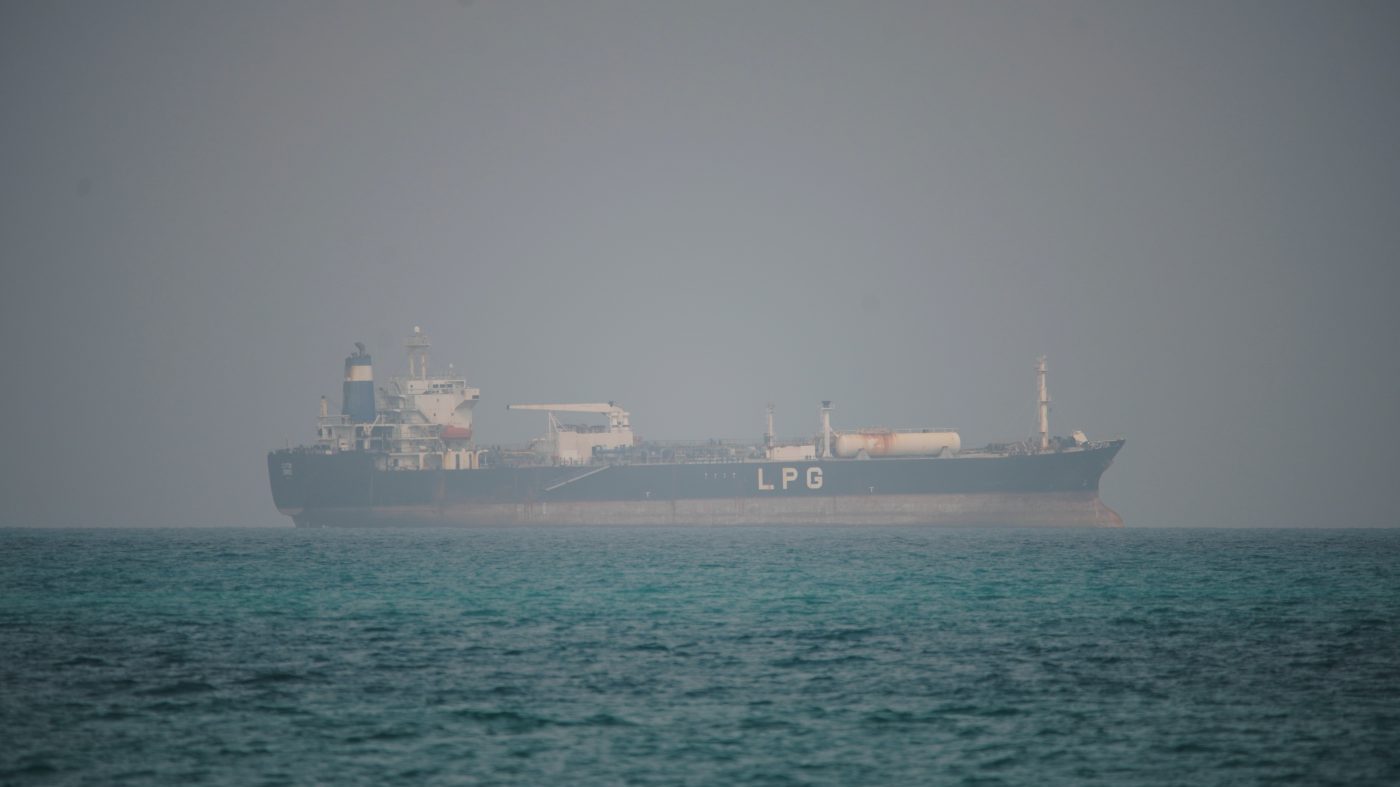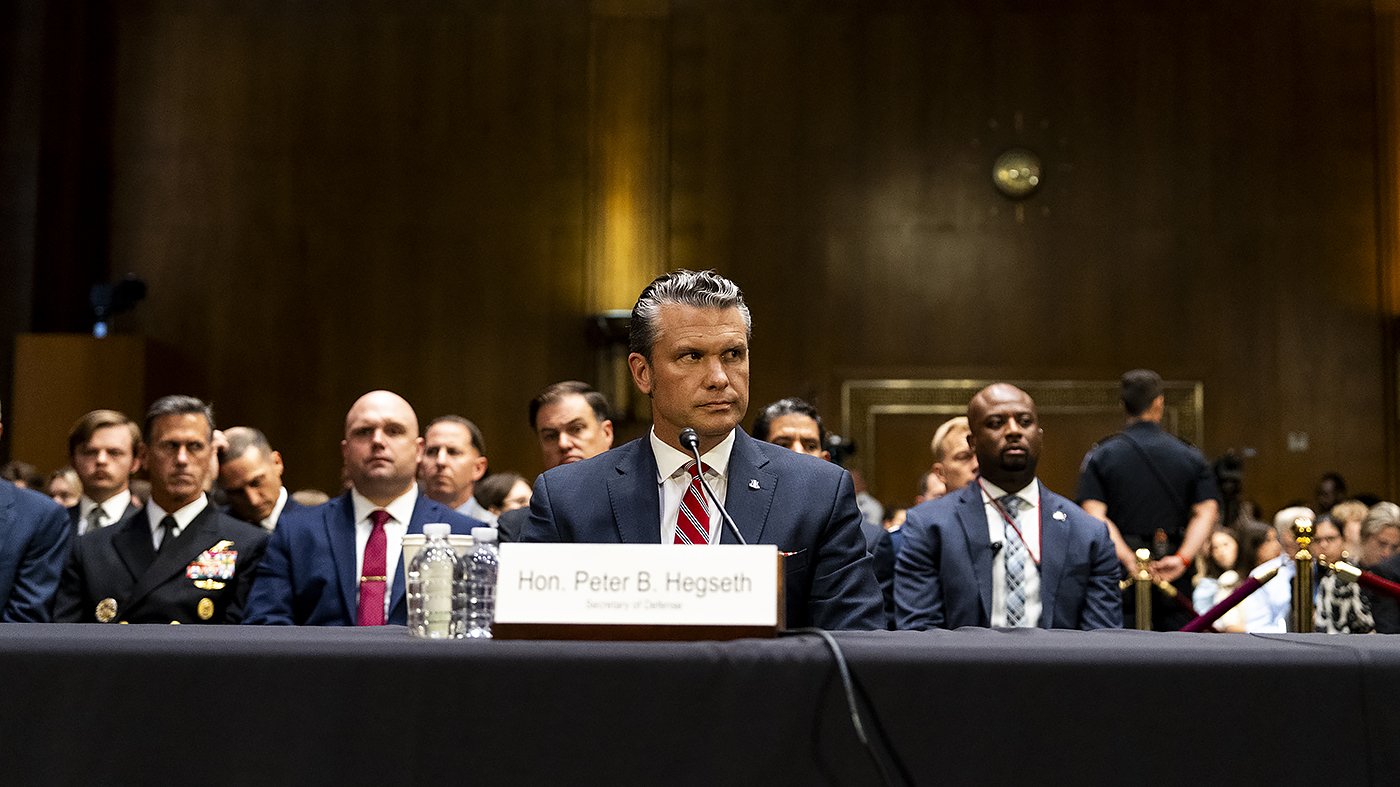
President Trump's decision last week to call off the U.S. bombing campaign near the Strait of Hormuz has exposed the limits of what the administration can achieve through air power alone. On Friday, Trump ordered American forces to cease fire on Iranian targets along the country's southern coast and the strategic waterway—the first such pause in two weeks. The move followed a recommendation from U.S. Central Command head Adm. Brad Cooper, who reportedly argued the campaign had reached the edge of its effectiveness.
The halt comes as reports surface of shrinking U.S. munitions stockpiles and growing skepticism among experts that even a more intense bombing campaign—targeting bridges, water facilities, and power plants—would break Tehran or force tough concessions at the negotiating table. Trump told reporters Friday that the U.S. is still in talks with Iran but warned that the military is ready to act if he gives the green light, saying, "We're locked and loaded."
Has the U.S. Reached Its Deterrence Limits?
The White House has long dodged questions about the state of U.S. munitions, insisting it has enough for the war even as it presses Congress for tens of billions to replenish expended missiles and interceptors. The issue gained urgency after NBC News reported last week that military commanders, since the war began, have opted not to shoot down incoming drones and missiles if they assess those threats would cause no damage to American troops, facilities, or allies in the Middle East.
As the conflict enters its fifth month without an end in sight, U.S. missiles and interceptors are more critical than ever. Iranian attacks killed three U.S. service members just last week in renewed fighting. Trump on Monday tried to downplay concerns, telling reporters, "We have a lot of ammunition, different types. We're building that up, but we have a lot. We have a lot of the mid-level stuff, too. I mean, more than we could ever use no matter what. ... We're in very good shape, but, uh, for some of the more sophisticated stuff, we'd certainly like to have more." U.S. Ambassador to the United Nations Mike Waltz also pushed back on reports of low stockpiles, insisting Sunday that the U.S. has "everything that it needs" for military operations against Iran.
What Other Military Options Does Trump Have?
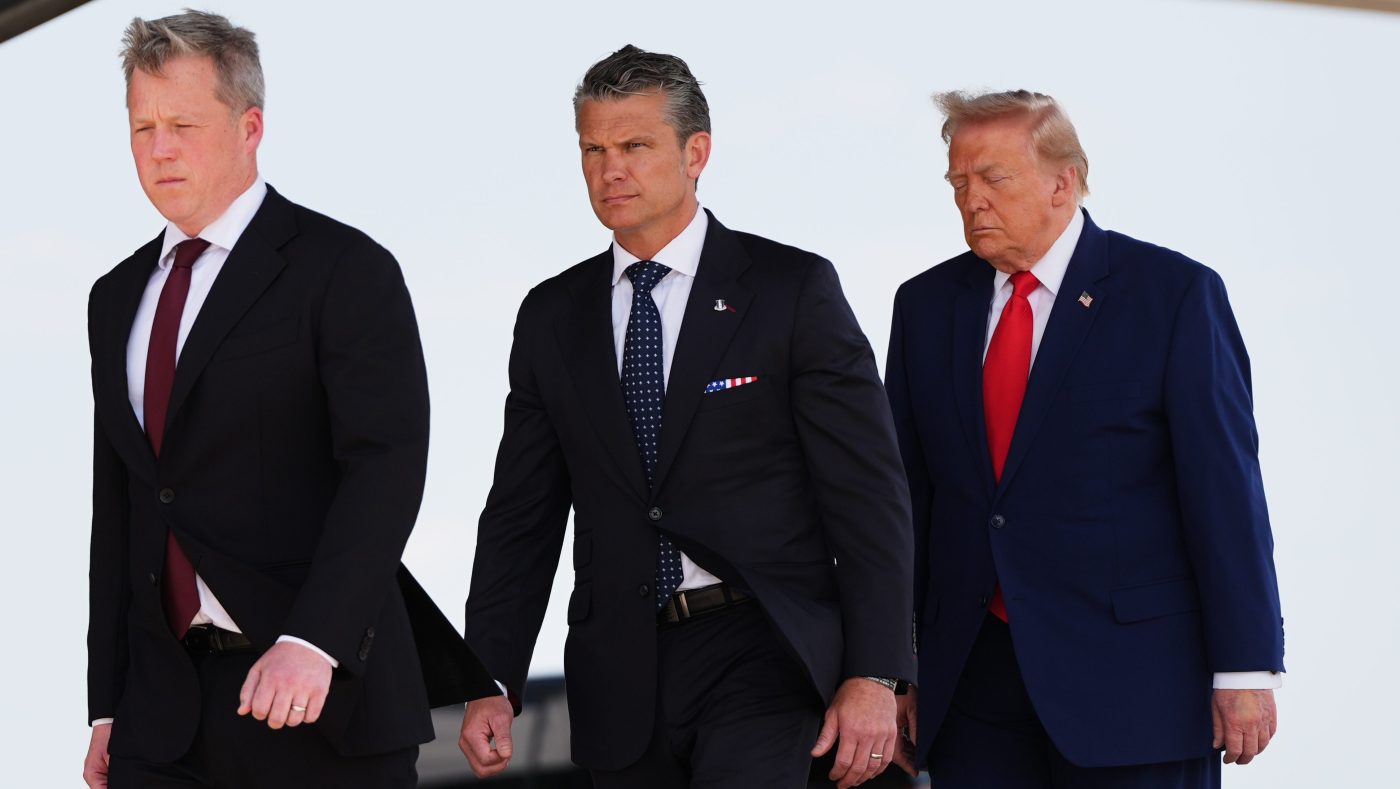
Trump held a White House meeting Friday with his national security team to discuss military options against Iran, a gathering he previewed in a Thursday interview with Axios, telling the outlet: "I am considering a massive attack. Bigger than ever before. I am close to making a decision. We are all set for it." The president has considered a multistage bombing campaign targeting Iran's coastal radars, anti-ship missile launchers, and a fleet of small attack boats, as well as other sites the Pentagon says have contributed to attacks on commercial ships transiting the strait, according to The New York Times. But a former senior U.S. intelligence official told The Hill last week that a supercharged air bombing campaign won't create significant progress in the war or at the negotiating table with Iran. "You're not going to bomb yourself into a ceasefire," the ex-official said.
Saeid Golkar, an expert on Iranian security services at the University of Tennessee at Chattanooga, told The Hill that killing key Iranian officials—such as Ahmad Vahidi, commander of Iran's Islamic Revolutionary Guard Corps, and Mohammad Bagher Qalibaf, the speaker of parliament and chief negotiator—could move the needle toward a diplomatic deal. Trump could also focus on Iran's nuclear facilities, including hitting Pickaxe Mountain near the damaged Natanz uranium enrichment site, an option he has floated. A ground campaign, though one of the lowest options due to high casualty risks, could destroy Iran's nuclear facilities or seize enriched uranium.
What Do the U.S. and Iran Want in the Latest Negotiations?
Mediations led by Qatar and Pakistan have made "significant" progress to bring the U.S. and Iran back to negotiations and reestablish an interim ceasefire deal, The Associated Press reported Monday. The mediators have worked with Iran and Oman on handling vessels passing through the Strait of Hormuz, the closure of which triggered the latest strikes. While Iran maintains the strait is theirs to govern and they should be allowed to collect service fees, the U.S. has pushed back, and the U.S. naval blockade on the passage route remains in effect. Esmail Baghaei, spokesperson for Iran's Ministry of Foreign Affairs, said during a news conference Monday that all communication has been through mediators. Baghaei also said Iran and Oman held talks over the weekend to "develop mechanisms to ensure safe navigation through the Strait of Hormuz while respecting the sovereign rights and sovereignty of both coastal states, as well as Iran's security and national interests." The waterway remains closed, Iran has said.
As Trump weighs his next move, the friction with Senate leaders over domestic priorities may also shape his foreign policy timeline. Meanwhile, the tariff battles with Canada are giving Democrats new ammunition in key swing states, adding another layer of political pressure.