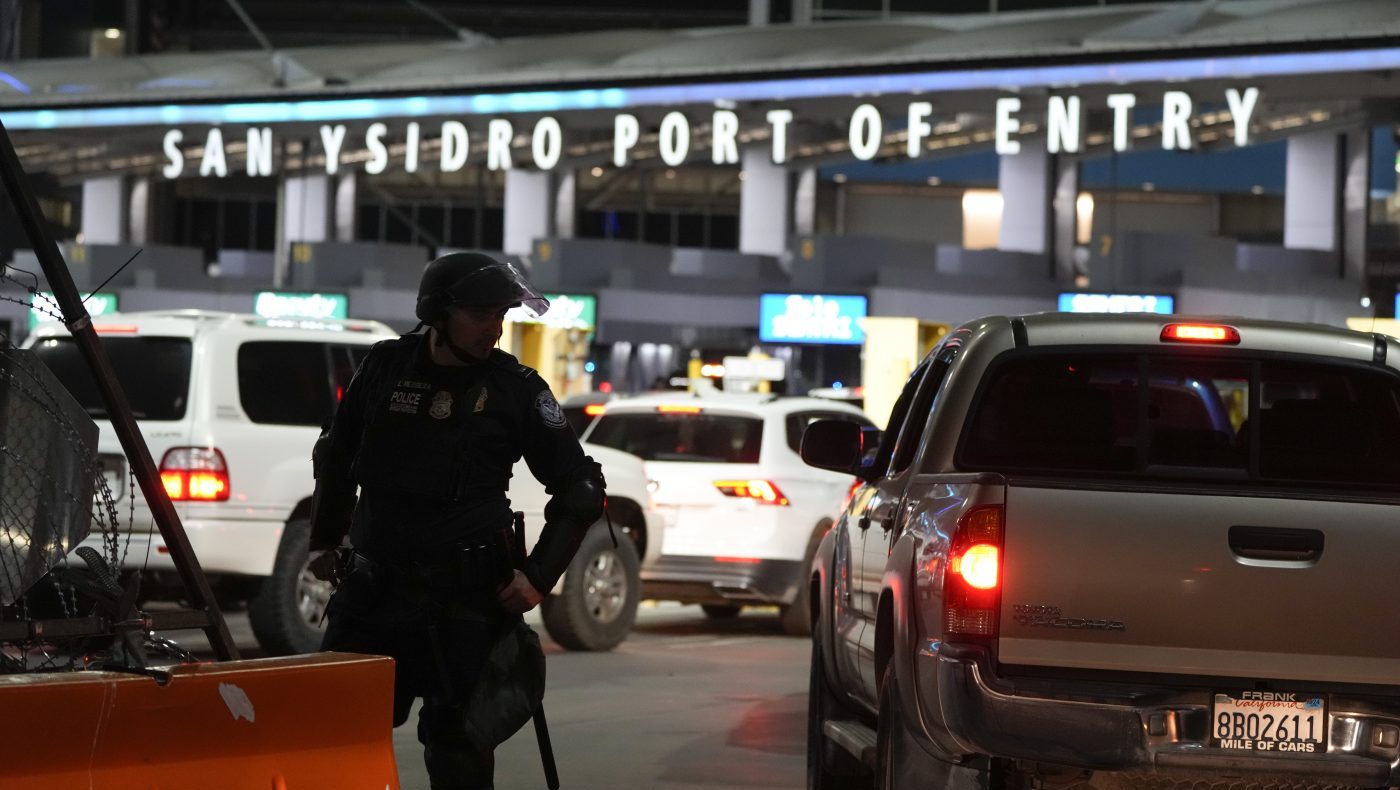
The Trump administration is rolling out a new policy on Tuesday that strips asylum seekers of a critical interview with U.S. Citizenship and Immigration Services (USCIS) officers, instead routing them straight into deportation proceedings in immigration court. The rule, issued without the standard public notice-and-comment period, is expected to face legal challenges.
Under the previous system, migrants who entered the U.S. and claimed fear of persecution could present their case to a USCIS officer in an initial interview. That officer could either approve the claim for further asylum processing or reject it and refer the individual to immigration court. Now, officers will skip that step entirely, sending migrants directly to court—a change the agency says is meant to prevent applicants from getting a "second chance at asylum."

USCIS Director Joseph Edlow defended the shift, arguing the asylum system has been exploited. "For far too long the asylum system has been exploited for purposes of delay and work authorization, not legitimate claims of protection," Edlow said in a statement. He added that the rule ensures resources go to "timely adjudication" of genuine claims rather than "those seeking to use the system as a loophole."
The rule estimates that more than 440,000 cases could be transferred to immigration court, which is already struggling with a massive backlog. Critics warn this will only worsen the bottleneck and put vulnerable populations at risk. The Trump administration has also allowed immigration judges to dismiss cases without a hearing, raising concerns that some migrants may never get a fair chance to argue their case.
Beth Oppenheim, president and CEO of HIAS (formerly the Hebrew Immigrant Aid Society), called the policy disastrous. "It makes it easier for the government to deport people back to situations they fled, where they could face real danger or death," she said. "That is wrong, it is dangerous, and the United States continues to erode the role it once played as a leader in standing up for those who need it the most."
Ben Johnson, executive director of the American Immigration Lawyers Association, argued the rule will exacerbate the court backlog that the administration has already criticized for giving migrants time in the U.S. before proceedings. "Not only will this rule throw sand into the gears of the immigration courts, it will stack the scales of justice against vulnerable people fleeing torture and persecution by putting them into adversarial court hearings and likely also into detention," Johnson said. He described the move as "one more nail the Administration has hammered into the coffin of the U.S. asylum system," citing prior actions like closing the border to asylum seekers and arresting them at court hearings.
This latest policy follows a pattern of aggressive immigration enforcement under Trump, including efforts to expedite deportations through reviving a dormant court for terror suspects and threatening funding cuts over other policy disputes. The administration has also faced scrutiny over its handling of international obligations, as the U.S. is bound by treaties signed after World War II to protect refugees.
Immigration advocates are gearing up for litigation, arguing the rule's bypass of notice-and-comment procedures violates the Administrative Procedure Act. The outcome could hinge on whether courts view the change as a procedural tweak or a substantive overhaul of asylum law. For now, the administration is pressing ahead, with Edlow framing the rule as a necessary fix to a broken system.