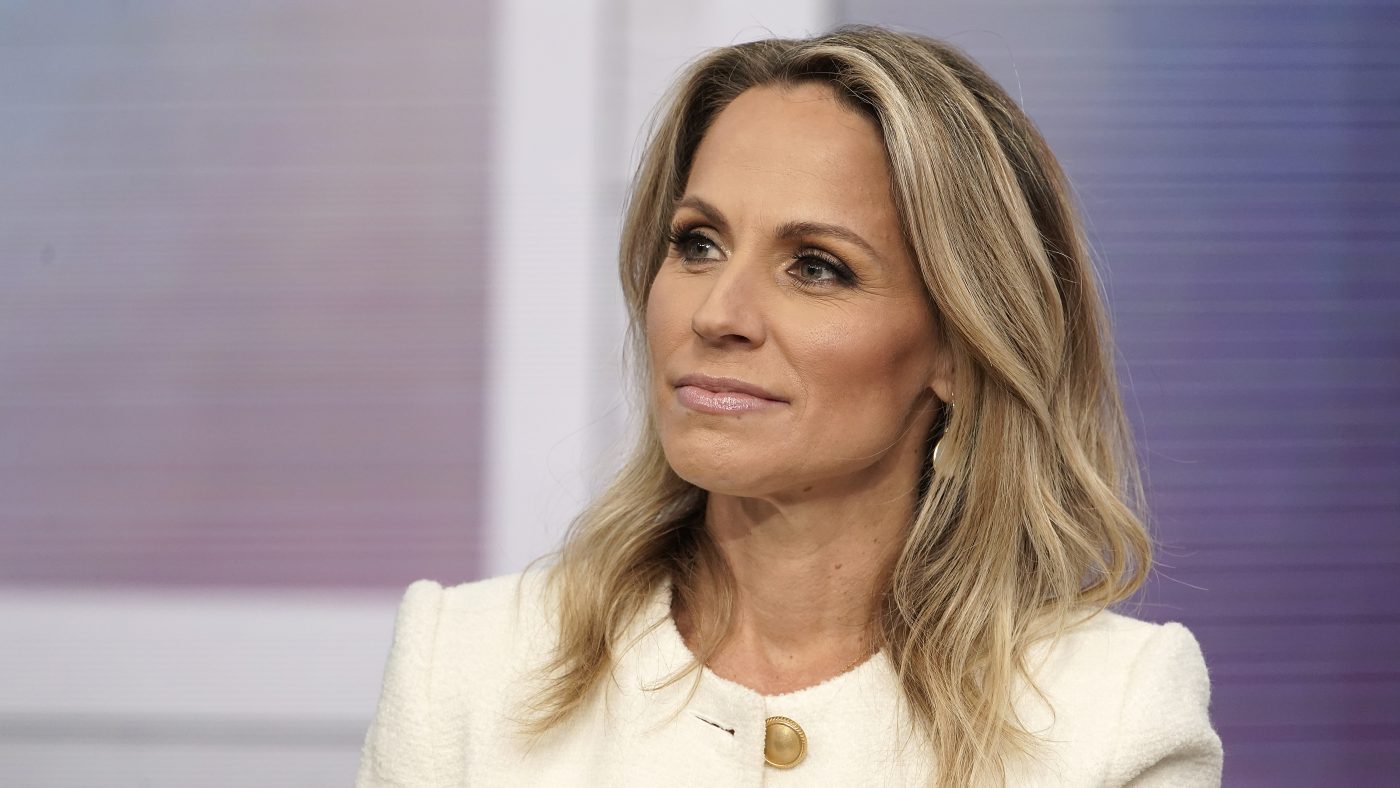
President Trump's nominee for U.S. Surgeon General, Dr. Nicole Saphier, has disclosed personal investments in tobacco giant Philip Morris International, along with stakes in beverage makers Monster Beverage Corp, Coca-Cola, and PepsiCo, according to financial filings released Thursday. The disclosure also revealed holdings in a broad array of pharmaceutical and biotechnology companies, including Eli Lilly, Biogen, Johnson & Johnson, Pfizer, AstraZeneca, Merck, and AbbVie.
In an ethics agreement accompanying the disclosure, Saphier committed to fully or partially divesting from these companies, a standard step for nominees to avoid conflicts of interest. The agreement also covers her role as founder of DropRx, a company that sells herbal supplements marketed as "physician-formulated."

The revelation comes as Health and Human Services Secretary Robert F. Kennedy Jr. has made combating ultra-processed foods a central priority, arguing they contribute to rising chronic disease rates. Saphier has echoed that stance, advocating for the removal of food additives, reduced consumption of ultra-processed foods, and increased physical activity.
Saphier, a breast imaging specialist at Memorial Sloan Kettering Cancer Center in New Jersey and a former Fox News contributor, will take an unpaid leave of absence from the hospital, according to her ethics filing. Her nomination marks the Trump administration's third attempt to fill the surgeon general role, after the first two picks—Janette Nesheiwat and Casey Means—failed to secure sufficient Senate support.
The surgeon general serves as the nation's top doctor, tasked with communicating scientific health information to the public. Saphier's confirmation hearing is scheduled for Wednesday, Sept. 16, where senators are likely to scrutinize her financial ties and her alignment with the administration's health agenda.
Critics have questioned whether Saphier's investments in tobacco and sugary beverage companies conflict with her public health advocacy. Supporters, however, point to her clinical experience and her commitment to divest as evidence of her integrity. The hearing will also test the administration's ability to navigate a narrowly divided Senate, especially given the previous failed nominations.
If confirmed, Saphier would inherit a role that has become increasingly politicized, with the surgeon general often serving as a key communicator on contentious issues like vaccine policy and dietary guidelines. Her background as a Fox News contributor could also influence how she frames public health messages, a point that may draw bipartisan scrutiny.
As the hearing approaches, Saphier's financial disclosures and her stated plans to shed conflicting assets will likely remain a focal point. The outcome will signal whether the Trump administration can secure a permanent surgeon general after two setbacks, a goal that has eluded it thus far. With the midterm elections looming, the confirmation process also carries political weight, as Democrats may use it to highlight ethical questions surrounding the administration's health appointments.