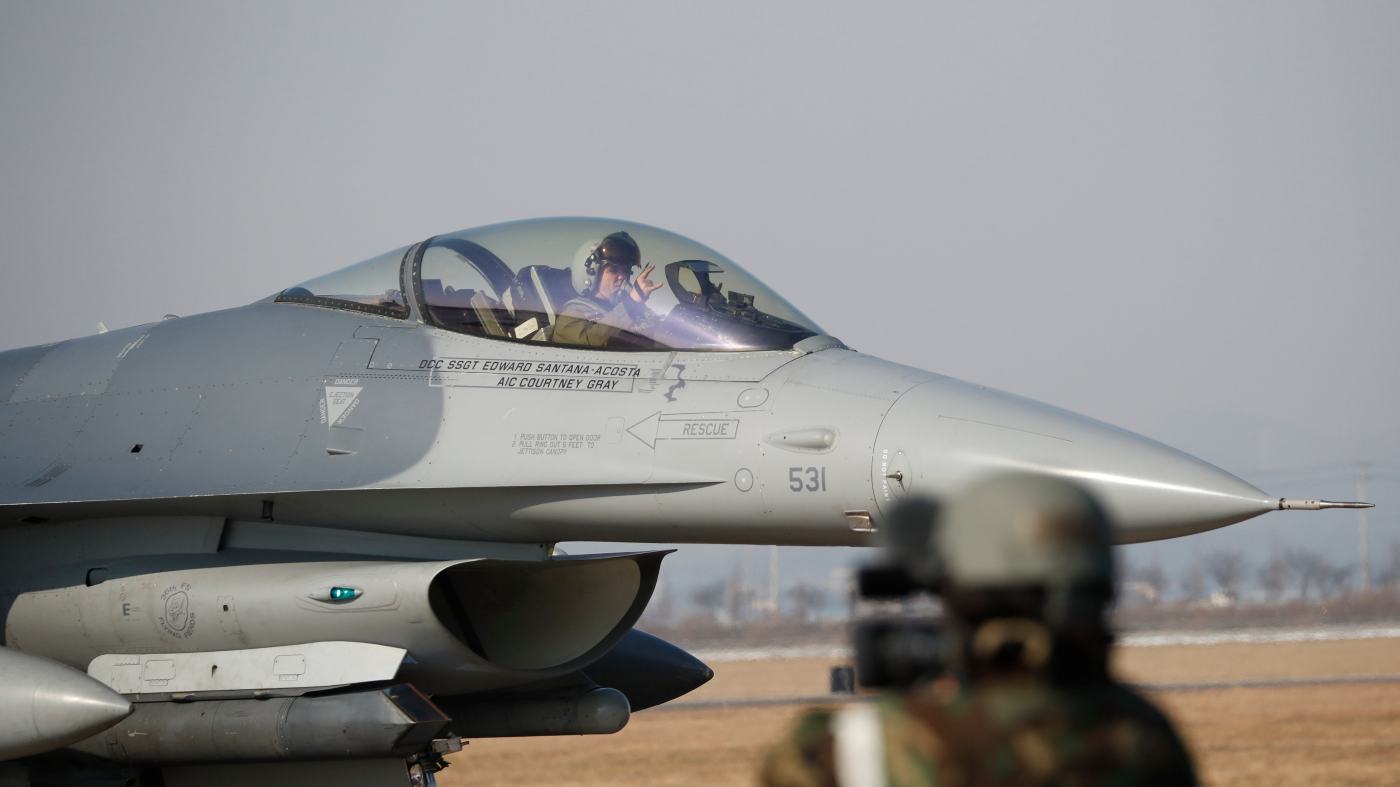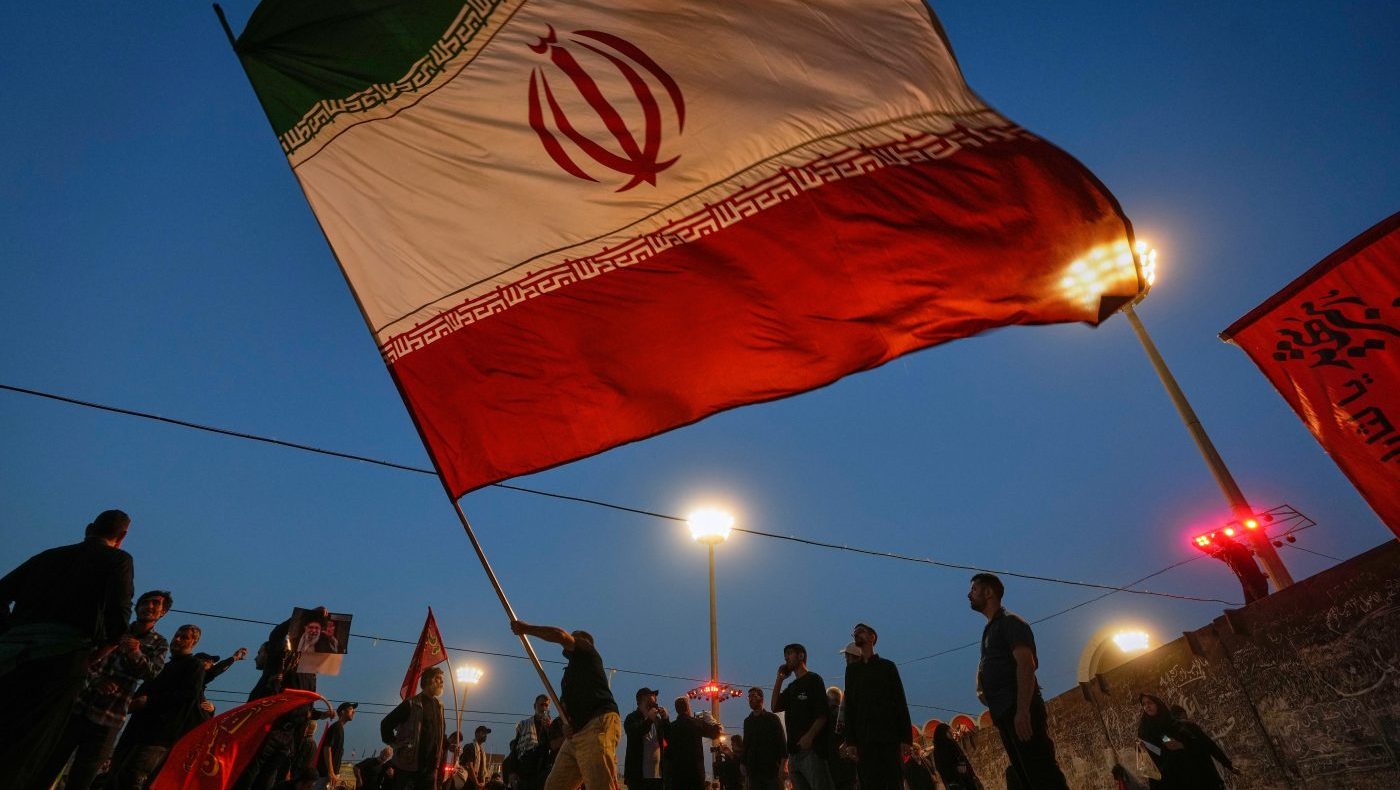
Iran launched a barrage of ballistic missiles at a U.S. military installation in Jordan on Tuesday evening, in what U.S. Central Command described as an attempted surprise attack. The strike, which occurred at 5:45 p.m. local time, was the first publicly confirmed assault on American service members in the region since President Trump ordered a pause on offensive operations against Iran last Friday.
All incoming missiles were intercepted by air defense systems, according to a statement from CENTCOM, which oversees U.S. forces in the Middle East. The military command said no casualties or damage have been reported, and that American troops remain at a high state of readiness. The base targeted was located in Jordan, as first reported by Axios, with CNN citing four ballistic missiles fired in the attack.

The assault comes just hours after Trump met with Israeli Prime Minister Benjamin Netanyahu at the White House — their first face-to-face meeting since the two countries launched coordinated strikes against Iran on February 28. That meeting followed the 13th consecutive night of U.S. airstrikes aimed at degrading Iran’s ability to disrupt commercial shipping in the Strait of Hormuz. In each prior instance, Iran retaliated with one-way attack drones and missiles targeting U.S. bases across the Gulf region, including in Kuwait, Jordan, Bahrain, and Qatar.
Trump’s decision to halt strikes on Friday came after consultations with top advisers and his national security team, as the administration sought to create diplomatic space for negotiations with Tehran. The president had considered launching major combat operations, pushed by Republican defense hawks in Congress, but ultimately held back due to concerns over dwindling U.S. munitions stockpiles and the risk of expanding the conflict further into the region.
Unverified videos circulated on social media Tuesday evening showing air defense systems active over Jordan, amid heightened tensions. The development underscores the fragile security environment in the Middle East, where Trump has threatened to hold Tehran accountable for any new attacks by its proxies, including Houthi rebels targeting shipping lanes.
The attack also comes as the Biden-era dynamics of deterrence give way to a more aggressive posture under Trump, who has sought to pressure Iran economically and militarily. The pause in airstrikes was seen as a tactical shift, but Tuesday’s missile strike suggests Tehran is not backing down. CENTCOM’s statement emphasized that U.S. forces remain vigilant, but did not indicate whether the Trump administration would resume offensive operations.
This incident is likely to reignite debate in Washington over the sustainability of the current approach. Some analysts argue that the pause in strikes may have been interpreted by Iran as a sign of weakness, while others see it as a necessary step to avoid a wider war. For now, the situation remains volatile, with both sides signaling readiness for further escalation if diplomatic efforts fail.