For years, the national conversation on criminal justice has been trapped in a false binary: either you back correctional officers and prioritize punishment, or you back incarcerated people and push for rehabilitation. Virginia is now offering a third path, one that suggests public safety demands both.
In the first months of Gov. Abigail Spanberger's tenure, the commonwealth has reported a 56% drop in serious assaults on correctional staff, a 47% decline in confirmed overdoses, and a 27% reduction in facility lockdowns compared to the same period last year. Those figures translate directly into safer workplaces for officers and more stable institutions—prerequisites for any meaningful rehabilitation effort.
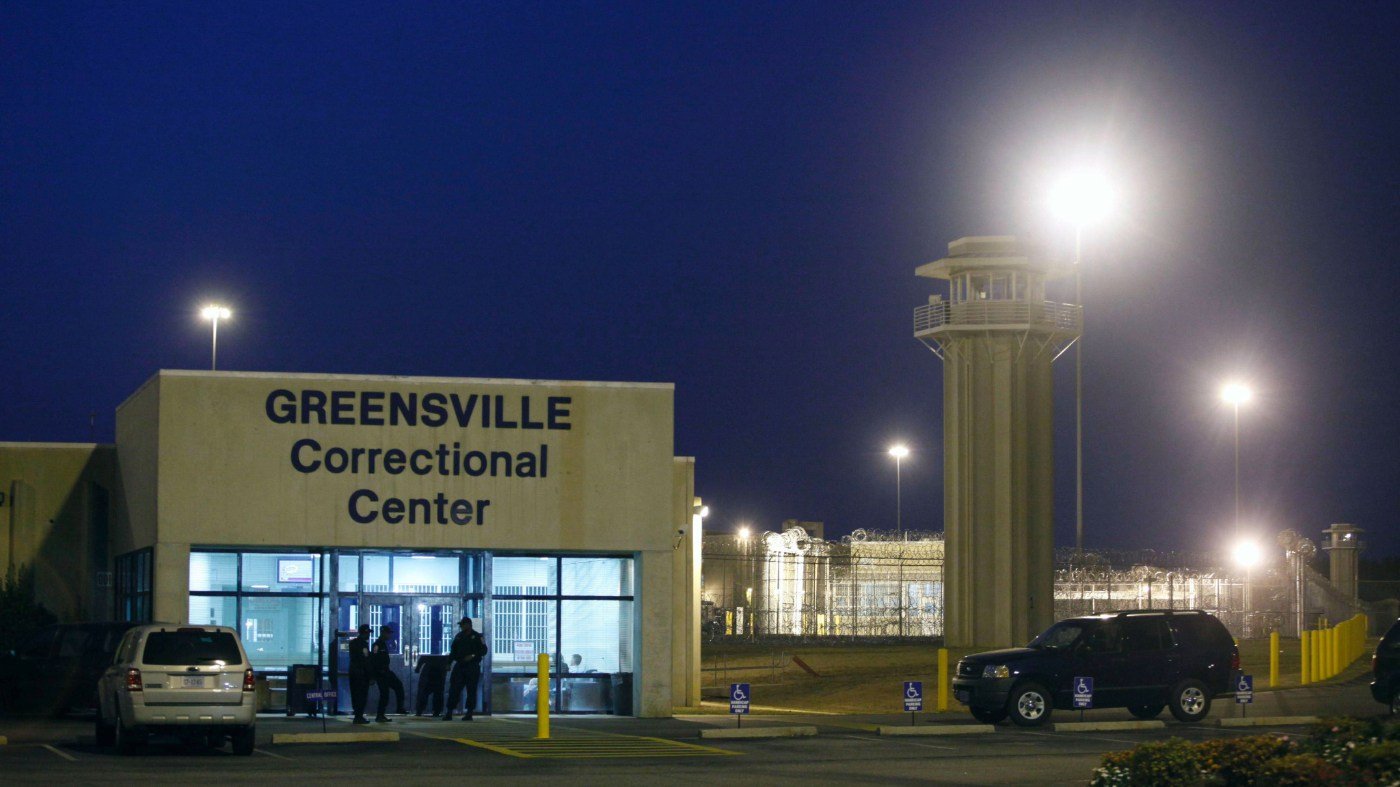
But the numbers are only part of the story. Behind them lies a philosophical shift: treating corrections not as a warehouse for the convicted but as a critical component of long-term public safety. The administration has backed this with concrete actions. Earlier this year, Virginia expanded its Intensive Reentry Program to Red Onion State Prison, making it one of the first maximum-security facilities in the nation to adopt such an initiative. It also established the Governor's Community Partnership Council on Corrections, a body that brings together correctional officers, victims, law enforcement, formerly incarcerated individuals, families, faith leaders, and community groups to advise state leaders.
Perhaps most symbolically, Spanberger restored civil rights to more than 66,000 Virginians who have completed their felony sentences, enabling them to vote, serve on juries, and run for public office. Individually, these steps might seem disparate. Collectively, they represent a coherent vision of what public safety should look like after a conviction.
“Reentry programming should not stop at the doors of our maximum-security facilities,” Spanberger said when announcing the Red Onion expansion. “Long-term public safety requires preparing individuals for a successful, lawful return to their communities, regardless of where they serve their sentence.”
That statement reflects a simple truth: nearly everyone incarcerated in Virginia will eventually return to a community somewhere in the state. The question isn't whether they'll come back—it's whether they'll come back ready to contribute or reoffend.
My father spent 33 years with the Virginia Department of Corrections, starting as a correctional officer and retiring as an assistant superintendent. From him, I learned that prisons aren't isolated from society; they're workplaces, communities, and institutions charged with protecting both those inside and the public beyond the walls. Correctional officers deserve to go home safely every day. Victims deserve justice and fewer future victims. Families deserve hope. Communities deserve safer neighborhoods. These goals are mutually reinforcing: a safer prison for staff is more likely to be safer for inmates, and effective rehabilitation reduces recidivism, lowering the human and financial costs of crime.
The Community Partnership Council embodies another key principle: good corrections policy shouldn't be dictated solely from the top. Correctional officers understand institutional realities; victims understand the lasting impact of crime; families understand the strain of maintaining ties during incarceration; formerly incarcerated Virginians understand the barriers to rebuilding their lives. As Spanberger said when announcing the council, she wants to hear directly from those closest to the system—not a sign of weakness but a form of accountability. Similarly, restoring voting rights doesn't erase a conviction; it recognizes that successful reintegration is strengthened when people are encouraged to become active citizens rather than permanent outsiders.
Virginia's early progress is encouraging, but sustaining it will require continued commitment. The commonwealth should expand evidence-based cognitive behavioral programming and reentry services to more facilities, invest further in recruiting and retaining correctional officers, and have the council publish regular public recommendations and annual progress reports. Tracking outcomes like assaults, overdoses, recidivism, staffing levels, and successful reentry is essential to keep policy grounded in evidence, not politics.
Public safety isn't measured solely by how many people are sent to prison. It's measured by whether officers return home safely, whether victims are protected, whether fewer people commit new crimes, and whether those who have completed their sentences are prepared to become productive members of their communities. Virginia hasn't solved every challenge, but it's asking the right questions—and if it stays on this path, it could become a model for the nation. Safety zones around houses of worship and faith outreach efforts show how other policy areas are also evolving, but corrections reform may be where Virginia leads.