For years, Democrats have been on the defensive when it comes to religion, often ceding ground to Republicans who claim to own the faith vote. But that dynamic is shifting. As Christian nationalism tightens its grip on the GOP, a growing number of Democratic candidates are stepping forward to reclaim a place for faith in progressive politics.
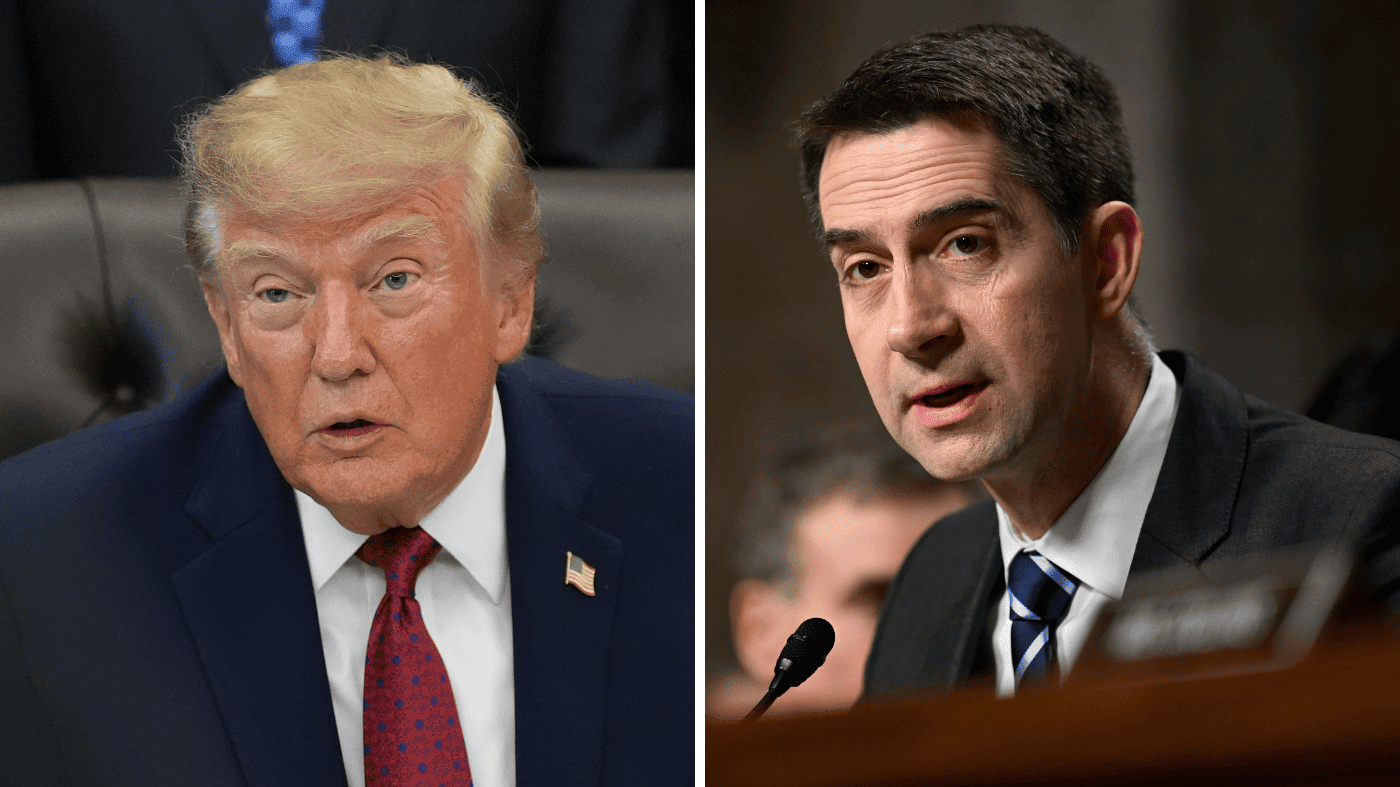
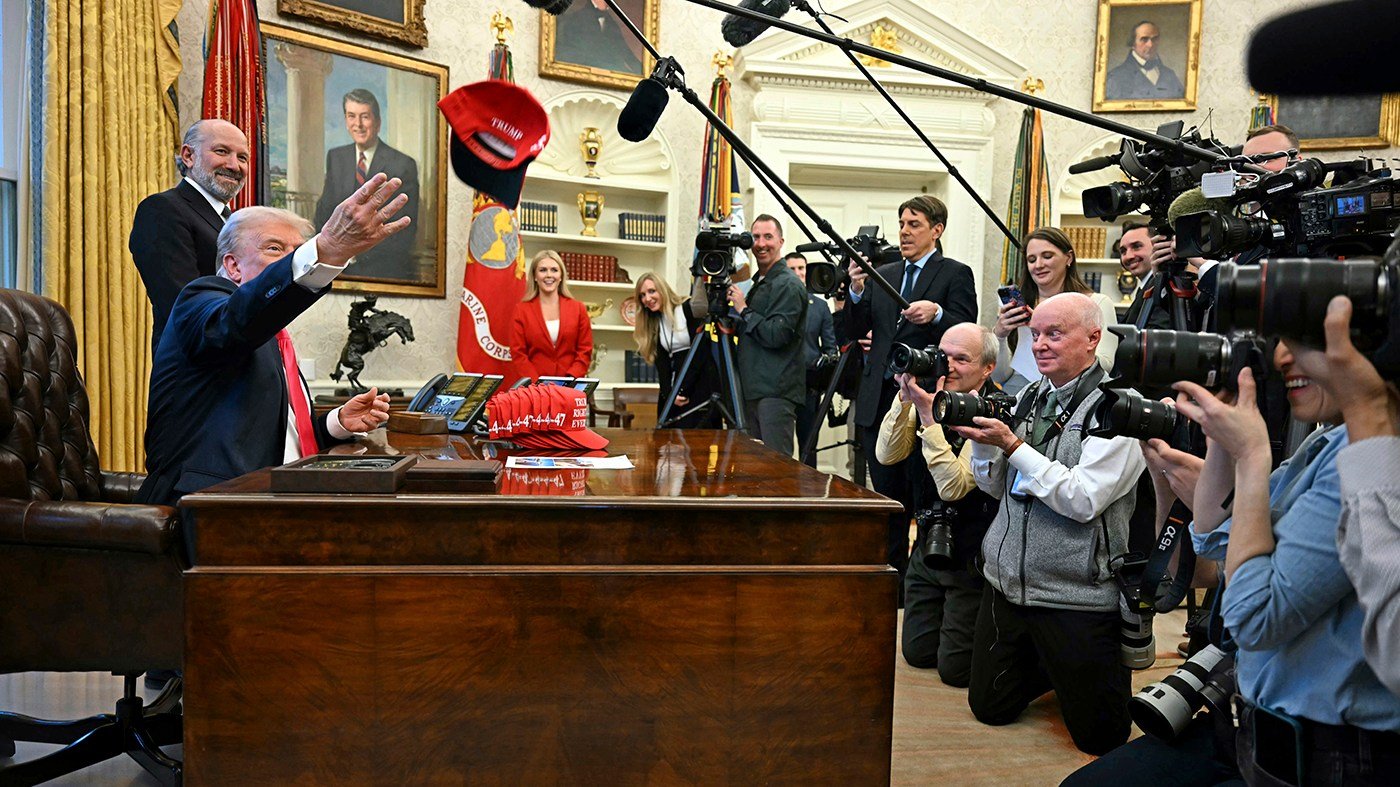
President Trump has repeatedly painted Democrats as godless and hostile to Christianity, most recently labeling them "communists" who oppose God. These attacks, while politically motivated, ignore the party's actual record: Democrats have championed religious diversity, from Keith Ellison's election as the first Muslim congressman in 2006 to Rashida Tlaib and Ilhan Omar's historic wins in 2018. Jewish, Buddhist, and Hindu members of Congress are now common in the caucus.
Yet for all that inclusion, Democrats have struggled to actively engage with faith communities, especially Christians. Doug Pagitt, an evangelical pastor and executive director of Vote Common Good, has seen this struggle firsthand. He traces the problem to the early 1990s, when the party stopped tracking religious identity even though 90% of Democrats were religious. Today, more than half still identify with a specific faith, but candidates have been unsure how to connect—whether to attend worship services or how to balance faith and politics.
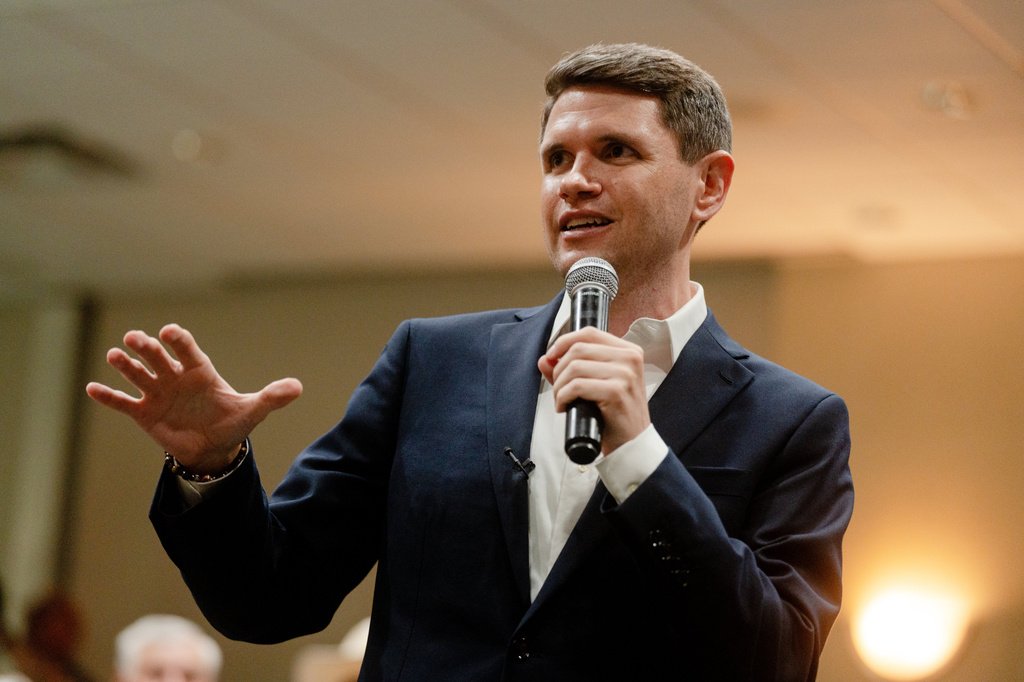
That's finally changing. With Christian nationalism surging on the right, Democratic candidates are now standing firmly against religious extremism while making clear that faith can inform policy and that believers belong in their coalition. In Texas, Senate candidate James Talarico, a Presbyterian seminarian, speaks openly about leading with faith and the commandment to "love thy neighbor." In Iowa, congressional candidate Sarah Trone Garriot, a Lutheran minister, builds her platform on those principles. In Arkansas, evangelical pastor Robb Ryerse is running for Congress on similar convictions.
These aren't isolated cases. More than a dozen faith leaders are running as Democrats in 2026, and they're not alone. Justin Pearson, a Christian running for Congress in Tennessee, says his beliefs drive his fight for a better future. Rob Sand, a Lutheran running for governor of Iowa, describes his faith as deeply woven into his public service.
What matters most isn't just that these candidates talk about religion—it's that they're meeting voters where they are. They're holding events at churches and faith forums, proactively reaching out to religious communities, and making faith voters a priority for the first time in years. Pagitt says he's had dozens of conversations with candidates this cycle about respectful engagement, including trainings with the Democratic National Committee's Interfaith Council.
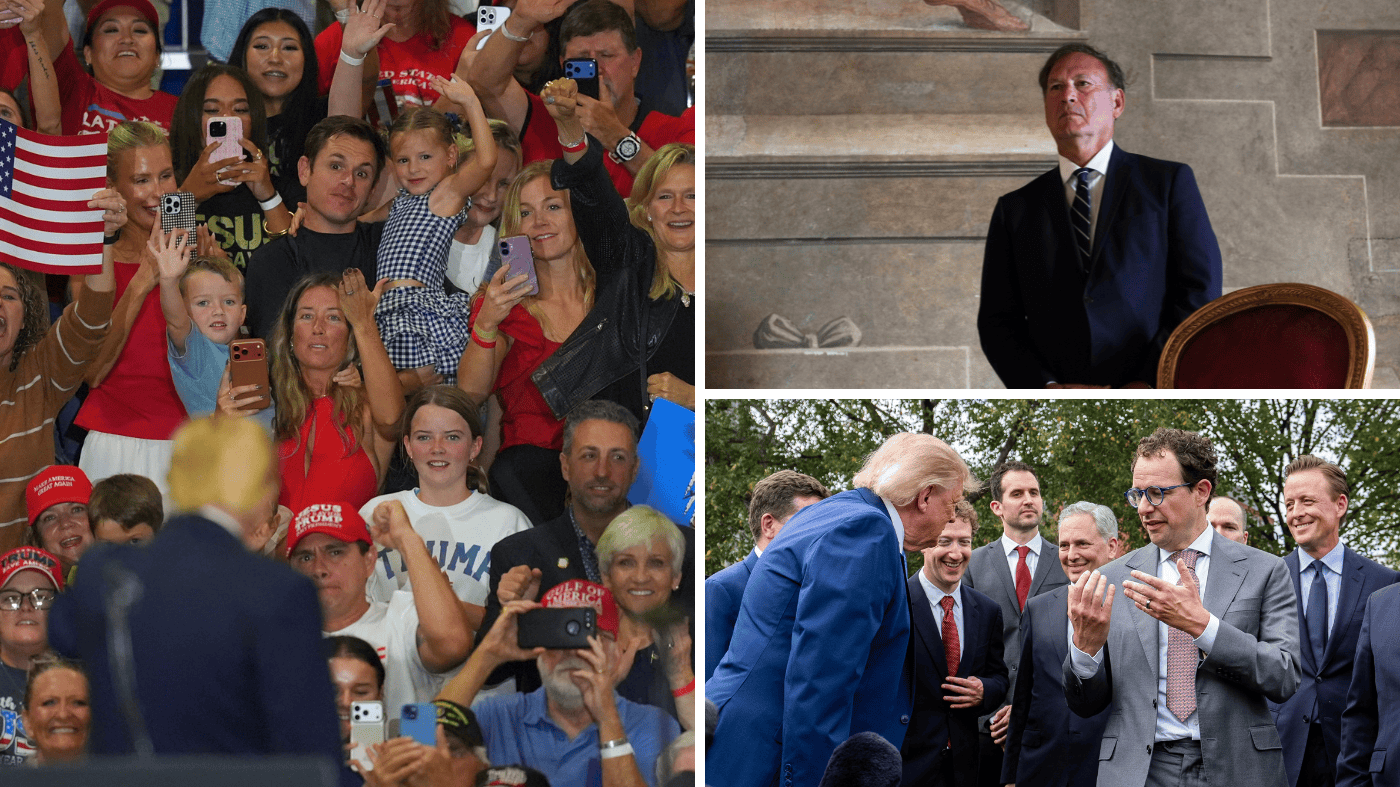
The timing is no accident. Since returning to office, Trump has defined the GOP with Christian nationalism, even portraying himself as a divine figure—witness the AI-generated image of Trump as Jesus. He's attacked Pope Leo XIV and had faith leaders violently arrested at protests. But his base is wavering: only 40% of white evangelicals now believe he acts ethically, down from 55% last year, and his approval among them has slipped to 52% from 61% in August.
That erosion is an opening. Democrats see voters of faith being boxed in by Trump's policies and are entering politics to push back. As Republicans narrow their definition of who belongs, Democrats are broadening theirs. "Just as Republicans don't own what it means to be American, Republicans don't own religion," Pagitt writes. "Democrats should embrace our religious diversity and firmly declare that people of faith belong in our party."
With the midterm polls showing Democrats leading on the economy, and with governors' races emerging as a 2026 counterweight, the party has a chance to make faith a unifying theme—not a wedge. The question is whether they can sustain this momentum and turn it into votes.