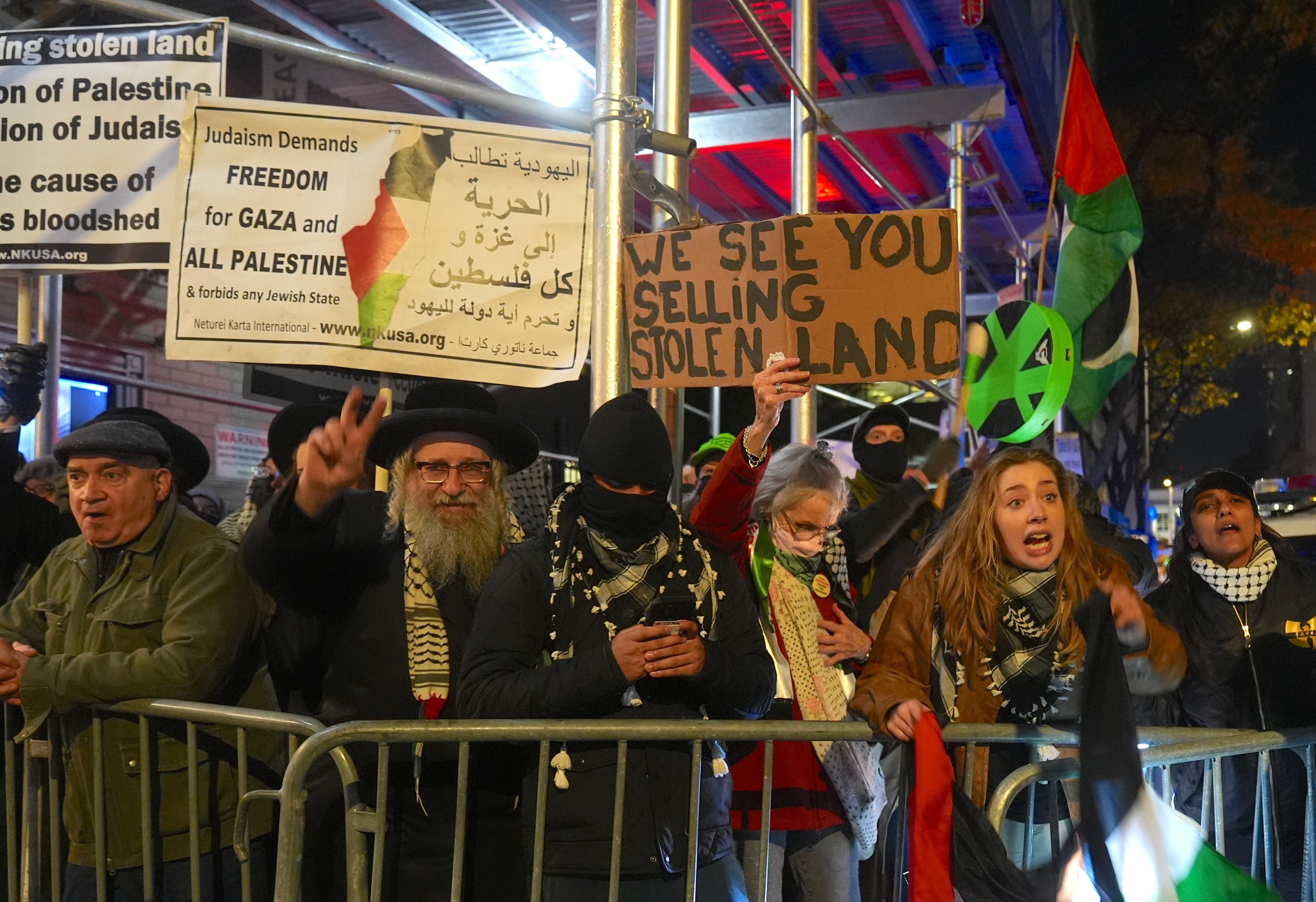
In recent months, synagogues across the United States have become flashpoints for harassment and violence. At Central Synagogue in New York City, a man assaulted a congregant and a security guard during Friday night services. At Park East Synagogue in Manhattan, protesters have repeatedly gathered outside, chanting slogans such as “Globalize the intifada” and “Death to the IDF,” and have waved Hezbollah flags while hurling slurs at worshippers. Similar scenes have played out in Los Angeles, where masked demonstrators shouted “baby killers” and “Zionist pigs” outside Wilshire Boulevard Temple, with two eventually forcing their way inside before being arrested.
These are not isolated incidents. The Anti-Defamation League (ADL) documented nearly 530 incidents of harassment at synagogues in 2025 alone, along with dozens of protest-related antisemitic incidents. While overall antisemitic incidents have declined from the previous year, physical assaults reached record levels. The crisis extends beyond the Jewish community: an LDS church in Michigan was burned to the ground last fall, and in May, three people were killed while protecting worshippers at San Diego’s largest mosque.
Introducing the Right to Worship Act
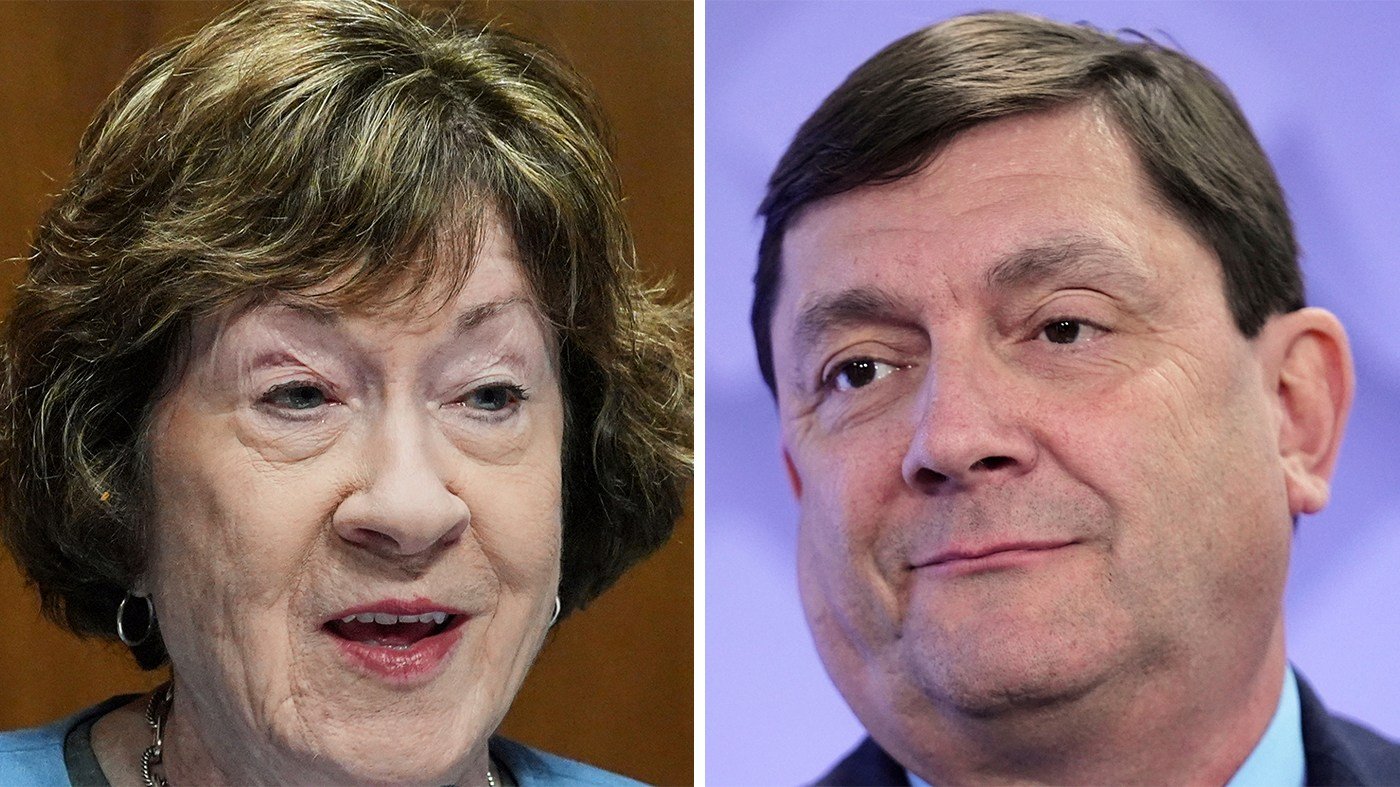
To address this growing threat, a bipartisan group of lawmakers has introduced the Right to Worship Act in Congress. Sponsored by Sens. Ted Cruz (R-Texas) and Elissa Slotkin (D-Mich.) and Reps. Tom Suozzi (D-N.Y.) and Brad Knott (R-N.C.), the bill would establish a 100-foot safe access zone around places of religious worship. Within that zone, conduct intended to disrupt religious services or impede people from attending them would be prohibited.
The legislation is designed to protect both religious freedom and free speech. It explicitly preserves the right to peacefully protest and other First Amendment-protected expression, but draws a clear line when conduct prevents or disrupts the ability of congregants to attend services. Current federal laws do not adequately address non-violent conduct that nonetheless intimidates worshippers, obstructs their passage, or interferes with their right to worship.
Growing State and Local Momentum
The federal effort builds on progress at the state and local level. ADL has led coalitions that secured passage of safe worship zone bills in New York, Maryland, and Arizona. In March, the New York City Council passed buffer zone legislation with a veto-proof majority. Similar measures are pending in California and Pennsylvania, and lawmakers in several other states are advancing comparable proposals.
Public support for these protections is overwhelming. A poll of registered New York voters found that 70 percent back buffer zones outside houses of worship, with support crossing party lines: 73 percent of Democrats, 73 percent of Republicans, and 63 percent of independents. Faith communities are equally united, with 83 percent of Jews, 76 percent of Muslims, and 72 percent of Christians supporting the measures.
A Fundamental American Right
“The right to worship without fear is not a Jewish issue, a Christian issue or a Muslim issue. It is an American issue,” said Jonathan Greenblatt, ADL CEO and National Director, in a statement. The question before Congress is whether to allow worshippers to continue facing intimidation and fear as they try to enter their houses of worship, or to reaffirm religious freedom as a cornerstone of American democracy.
Federal action is necessary because state and local efforts, while important, cannot provide comprehensive nationwide protection. The Right to Worship Act would complement existing laws and fill critical gaps, ensuring that all Americans can exercise their constitutional right to worship freely. As the debate unfolds, the bill’s broad interfaith and bipartisan coalition underscores that protecting worshippers is a shared national priority, not a partisan issue.